Your guide to Seoul
Seoul highlights
Sensational street food
Come straight to the source and discover why Korean street food is conquering the world’s taste buds. With must-tries like ‘tteokbokki’ (spicy rice cakes), ‘kimbap’ (seaweed-wrapped rolls) and ‘odeng’ (fish cake skewers), Seoul’s famous street food is cheap, quick and mind-blowingly good. Remember, it’s considered bad form to eat while you wander, so enjoy these bites right where you buy them.
Shape-shifting skyline
No visit to Seoul is complete without taking in the city’s futuristic skyline from South Korea’s tallest building, Lotte World Tower. At street level, crane your head to shape-shifting icons such as the Kolon One & Only Tower and the Seoul New City Hall. If you’re sightseeing at night (and you absolutely should), Dongdaemun Design Plaza’s LED ‘skin’ lights up like a sci-fi spacecraft.
Fascinating history
While your stay in Seoul should include a tour of its futuristic architecture, it’s also worth delving into the city’s complicated past. Step into the 14th century at Gyeongbokgung Palace, where dressing in traditional hanbok clothing allows you to visit for free and in style. Or join a tour to the DMZ (Demilitarized Zone) between North and South Korea, one of the most popular day trips from Seoul.
Seoul: Know before you go
| Language | Korean |
|---|---|
| Currency | South Korean won (₩) |
| Time zone | UTC+9 (KST) |
| High season | July - August |
| Low season | January - February |
Find the best time to go to Seoul
Weather in Seoul
March – May: Spring weather ranges from chilly to pleasantly warm. Cherry blossoms start popping in late March, making this a gorgeous time to visit. Pack an umbrella, just in case.
June – August: Summer is hot and humid, with monsoon showers peaking in July. Explore Seoul’s cafe culture during downpours. And be sure to book accommodation with air conditioning.
September – November: Seoul’s parks and forests burst with autumn colour. The air is crisp and mild, but remember to pack layers for occasional wind and rain. This is a great time to visit Nami Island, a favourite K-drama backdrop.
December – February: Winter temperatures dip below freezing, and heavy snow is possible. Thaw out at a traditional bathhouse.
Events in Seoul
Yeouido Cherry Blossom Festival (April): Thousands turn out to Yeouido Park as it transforms into a sea of pink and white blossoms. Check out art exhibits, dance performances and food stalls.
Hangang Summer Festival (July to August): Beat the summer heat at this party along the Han River. Kayaking, outdoor concerts and nighttime swims in an illuminated pool round out the fun.
Seoul Kimchi Festival (November): Get hands-on with Korea’s most popular fermented vegetable at this three-day celebration. Enjoy live performances, chef-led workshops and all the spicy cabbage you can eat.
Seoul Winter Festa (December to January): The neon-lit capital burns even brighter at this winter festival packed with light displays, ice sculptures, K-pop concerts and more.
The best neighbourhoods in Seoul
Seongsu-dong
This is one of the best neighbourhoods to stay in Seoul, popular with hipsters, coffee connoisseurs and lovers of pop-up shops. Once an industrial shoe-making district, Seongsu-dong has morphed into the ‘Brooklyn of Seoul’. There’s also plenty of green spaces here where you catch your breath. Seoul Forest Park boasts cherry blossom groves, a deer park and a butterfly house to explore.
Good for: Coffee, local art, craft beer
Hongdae
By day, Hongdae is a medley of indie music, street art and stylish boutiques. By night, it’s a place to live your dreams of K-pop stardom at the many ‘noraebangs’ (Seoul’s take on karaoke bars). The Hongdae subway station makes it easy to get around, and you’ll find plenty of trendy hotels in which to rest your head. The streets are always busy here, making it one of the best areas to stay in Seoul for people watching.
Good for: Live music, hotels, people watching
Samcheong-dong
Quieter and less touristy, Samcheong-dong is a dreamy maze of centuries-old traditional houses, artisan workshops, tea rooms and small galleries. Hungry? You’ll find an endless array of cafes and noodle houses offering Korean classics and global flavours. Weekends can get busy, so arrive early or visit during the week. Better yet, plan to stay in a hotel right here.
Good for: Tea rooms, cafes, galleries

Things to do in Seoul
Family friendly things to do
There’s a ton of things to do with family in Seoul, especially at Everland, Korea’s largest theme park, home to one of the steepest wooden roller coasters in the world. To experience the magic, take a direct shuttle from stations in northern and southern Seoul. Remember to pre-book rides on the app to skip the lines. For a family adventure closer to downtown, head to Lotte World, one of the largest indoor theme parks on the planet.
Shopping
The shopping in Seoul is world-class, from the bustling flea markets of Myeong-dong to the high-end boutiques of Gangnam. For a unique shopping experience, head to the Dongdaemun Market, where you can find anything from traditional Korean clothing to the latest fashion trends. Haggling is appropriate in open-air markets, so feel free to flex your bargaining skills.
Take in the culture
Looking for the best museums in Seoul? Discover artefacts dating back to Palaeolithic times at the National Museum of Korea. Wander the 14th-century halls of Gyeongbokgung Palace, the royal residence of the Joseon dynasty. Dress up in a ‘hanbok’ (traditional Korean clothing), join a tea ceremony, and learn calligraphy from a master in Bukchon Hanok Village.
Nightlife
If you're looking for high-energy clubs, Gangnam is the place to be. For indie music, karaoke and K-pop performances, head to Hongdae. If you want to connect with fellow travellers, the area of Itaewon is a great choice. Get into the spirit of the nightlife in Seoul with a round of soju, makgeolli or maekju. This trio of alcoholic beverages are Korean party favourites.
Places to eat
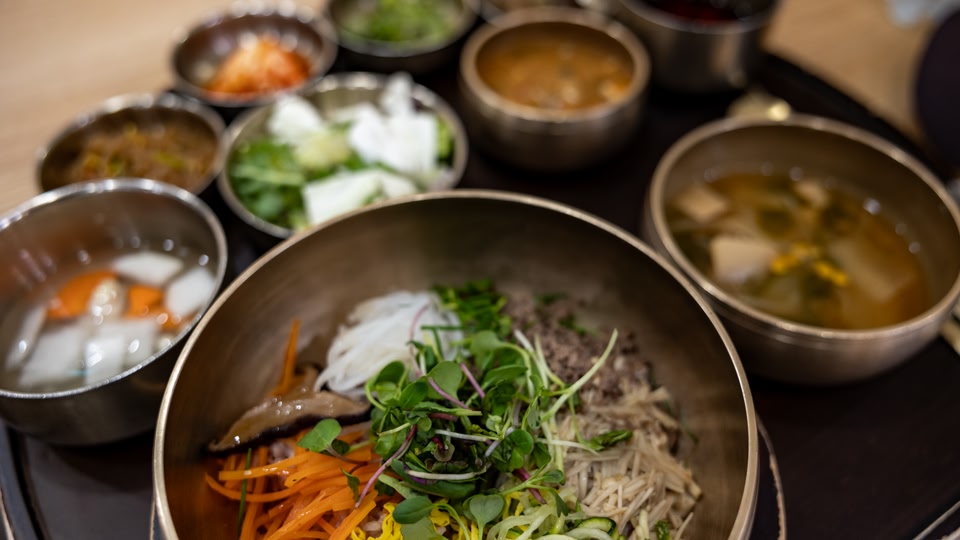
From Michelin-starred cuisine to cheap street eats, there are restaurants in Seoul to curb your every craving. In Insadong, try traditional dishes like ‘sujebi’ (hand-torn noodle soup) and vegan temple food. If you can’t get enough street eats, taste your way through Seoul’s century-old Gwangjang Market. And the grilled ‘samgyeopsal’ (pork belly) in Itaewon is a must, served with an assortment of veggies and dipping sauces.
Free things to do
If you know where to look, you’ll find plenty of free things to do in Seoul. For a free history lesson and stunning views, hike the Seoul Fortress Wall up Inwangsan Mountain. Browse the open-air works in Hongdae Street Art Park. Or let knowledgeable locals be your GPS on a free walking tour by Seoul Tourism — just be sure to book in advance.
Get ready for Seoul
Budget
Peaceful temples, epic hiking trails and tasty street food help make for a budget trip to Seoul. For a sit-down meal at an inexpensive restaurant, expect to pay around 12,000 South Korean won (₩). Order a beer for ₩5,000. You can travel by taxi starting at ₩4,000, but the excellent public transport system is even cheaper.
Day trips from Seoul
Head an hour north to Bukhansan National Park, where towering granite peaks frame the city. Its forested foothills are home to serene temples, some offering guided meditation and overnight stays. For a coastal escape, go to Anmyeondo Island, known for its golden beaches and fresh seafood. Don’t miss the marinated blue crab, a local speciality.
Getting around Seoul
Seoul’s public transport system is clean, punctual and easy to use. Multiple operators run train and bus services, but the T-money card covers all fares and is available at convenience stores. For shorter distances, travel on foot or use a bike-sharing service. Seoul’s traffic is notorious, and parking is a challenge, so car hire is not for the fainthearted.


