Holidays to Copenhagen

Copenhagen highlights
Bicycles everywhere
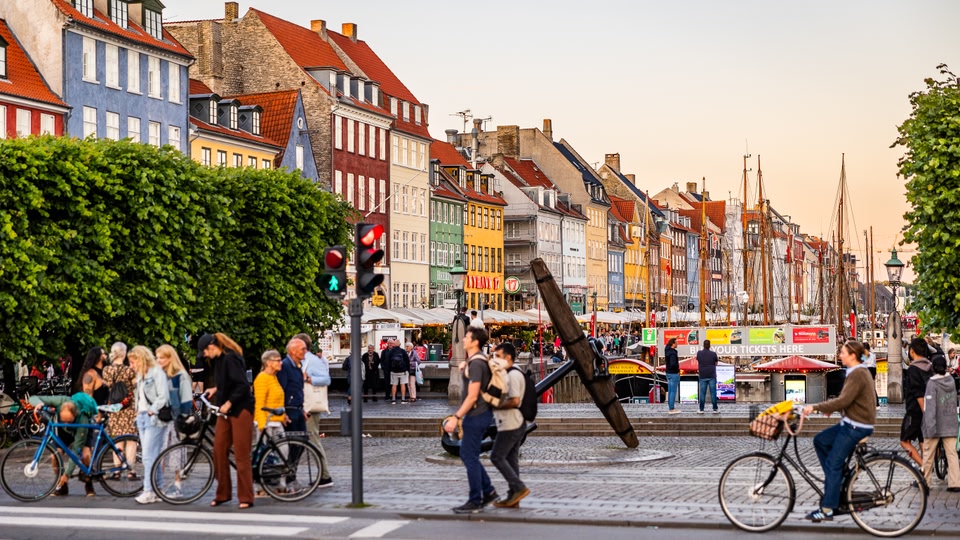
In the Danish capital, 49 per cent of trips are by bicycle. The best route during a city break in Copenhagen is along the harbour. Pedal past the colourful 17th-century houses of Nyhavn and see the mixture of old and new designs in the trendy Islands Brygge neighbourhood. Then roll through residential areas like Christianshavn to see Danish life away from the tourist sites.
All about art
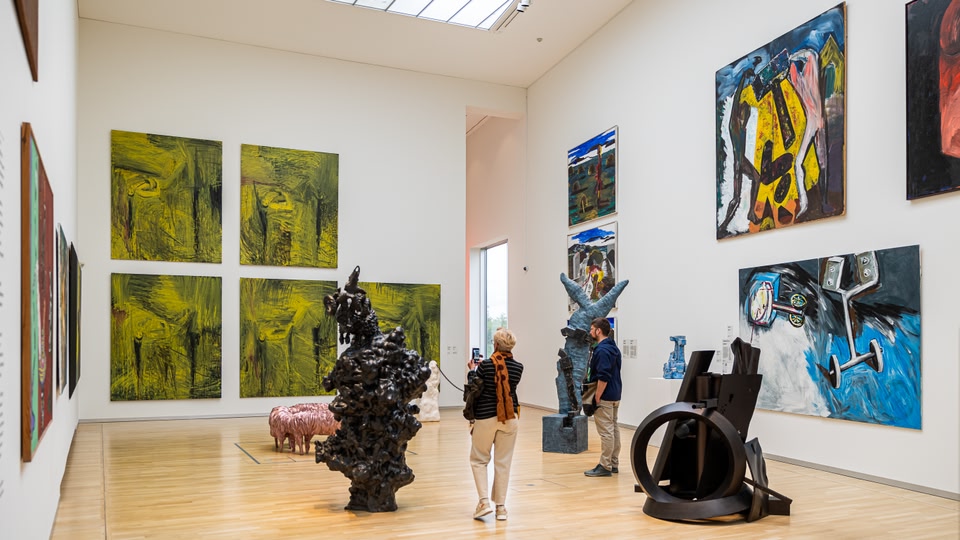
Get your fill of Rembrandt and other Baroque masters at the National Gallery of Denmark and Ny Carlsberg Glyptotek. ARKEN Museum of Contemporary Art showcases contemporary works in a maritime setting. The Louisiana Museum of Modern Art features pieces from 20th-century icons like Warhol and Picasso. And don’t miss the seaside sculpture garden, open year-round.
Festival city
Time your weekend break in Copenhagen to coincide with city festivals. The capital hosts two fashion weeks, one in February and another in August. In July, the Copenhagen Jazz Festival books more than 800 concerts. RAW and Strom, both in August, feature world-famous EDM acts. And in winter, bundle up and get in the holiday spirit at the city’s many Christmas markets.
Copenhagen: Know before you go
| Language | Danish |
|---|---|
| Currency | Danish krone (kr) |
| Time zone | UTC+1 (CET) and UTC+2 (CEST) |
| High season | July – August |
| Low season | November – February |
Find the best time to go to Copenhagen
Weather in Copenhagen
April – May: Spring in Copenhagen is cool and dry, making it a perfect time to join locals in the city’s parks or on its canals.
June – August: With long days, warm temperatures and plenty of sunshine, Copenhagen’s summers are idyllic. Be prepared for occasional rain showers.
September – November: After the last warm, summery days in September have passed, you can enjoy the stunning golden foliage and crisp autumn air. But come November, you’ll want to bundle up.
December – March: Winters in Copenhagen are cold and humid, though snow is not guaranteed. You can still enjoy seasonal activities like ice skating or take advantage of the city’s many museums and cultural offerings.
Events in Copenhagen
Distortion (May to June): This five-day celebration of dance music is a love letter to the city itself. Enjoy everything from daytime street parties to thumping concerts by Danish and international artists.
Culture Night (October): Copenhagen kicks off the autumn break each year with ‘Kulturnatten’ (Culture Night). For one night only, museums, churches and historic institutions across the city open their doors to a range of cultural events. Play games, attend lectures and explore corners of the city usually off-limits to the public.
Christmas in Tivoli (November to January): Every Christmas season, Tivoli Gardens transforms into a winter wonderland, with festive rides, ice skating and even Father Christmas himself. Visit the markets to feast on traditional Danish treats while surrounded by 1,000 twinkling Christmas trees.
The best neighbourhoods in Copenhagen
Indre By
This inner-city area is one of the best neighbourhoods to stay in Copenhagen if you want to be near the action. Check out the royal residence at Amalienborg and the light show at the Tivoli Gardens. Spend an afternoon in City Hall Square enjoying the architecture and views before sampling the restaurant and nightlife scenes around Vestergade.
Good for: Restaurants, architecture, nightlife

Vesterbro
Laid-back and sophisticated, Vesterbro has a bit of everything. During the day, shop and dine near Central Station and Istedgade before relaxing in the green space along Sonder Boulevard. After dark, join the locals in the Meatpacking District for drinks in dive bars. Central Metro and S-train stations put the rest of the city within easy reach.
Good for: Bars, parks, restaurants

Amager
This island across from Vesterbro is where to stay in Copenhagen if you want to be away from the urban crunch. Home to a white-sand beach and natural expanses like Amager Faelled, Amager has become a destination on its own. Look out for artisan bakeries, natural wine bars and some of the city’s best second-hand shopping.
Good for: Beach, wine bars, nature
Things to do in Copenhagen
Family friendly things to do
It’s easy finding things to do with family in Copenhagen. Take the perfect picture next to the Little Mermaid statue on the Langelinie promenade. Then head to the Denmark National Aquarium to see hammerhead sharks and stingrays from an underwater tunnel. Thrill-seekers will love the rides at the Tivoli Gardens amusement park.
Shopping
Retail adventures start at the boutiques for popular Danish fashion brands like GANNI. For window shopping, visit Stroget, a pedestrian street with department stores and independent shops. Shopping in Copenhagen isn’t complete without browsing the designer goods at the ILLUM Department Store.
Take in the culture
Viewing the world-class art displayed at the National Gallery is a must, but there are plenty of other museums in Copenhagen worthy of your time. Explore commercial design past and present at the Designmuseum Danmark. Or sail through centuries of seafaring history at the interactive M/S Maritime Museum of Denmark, located north of the city and below sea level.
Nightlife
Whether you’re into jazz or electronica, beer or wine, dive bars or trendy clubs, the nightlife in Copenhagen will get you out and about. Drink local beers and craft cocktails in the relaxed bars of Vesterbro, or dance at the clubs in the city centre. Head to Norrebro to sample international cuisines, natural wines and a wide assortment of music.
Places to eat
There are dozens of Michelin-starred restaurants in Copenhagen, including famous places like Alchemist. For more casual fare, sample your way through Reffen, a massive street food market with more than 50 different vendors. Or browse the fresh foods at Torvehallerne before stopping for a ‘smorrebrod’, Scandinavia's famous open-faced sandwich.
Free things to do
It costs nothing to wander through the colourful streets in Nyhavn or picnic in Norrebro’s Superkilen park. If you’re looking for other free things to do in Copenhagen, try taking a dip in the Harbour Bath in Islands Brygge or visiting the Botanical Garden. But the most popular free activity here might be posting up at Amalienborg Palace to watch the noon changing of the guard.
Get ready for Copenhagen
Budget
This beautiful city is one of the more expensive travel destinations, but a cheap holiday in Copenhagen is possible with some careful planning. A meal in an inexpensive restaurant costs about 150 Danish kroner (kr), and you can wash it down with a local beer for around kr60. If you don’t feel like cycling, a short trip in a taxi will set you back about kr83.
Day Trips from Copenhagen
Dyrehaven forest park is a natural preserve just a 20-minute train trip north. Take in the fresh air on foot, by bike or by horse-drawn carriage. Further north, you’ll find the picturesque town of Hillerød, home to Frederiksborg, known as ‘the Nordic Versailles’. Drop by the seaside town of Elsinor to see the UNESCO-listed Kronborg Castle, the setting for Shakespeare’s ‘Hamlet’.
Getting Around Copenhagen
Copenhagen is easy to navigate. Buy a Copenhagen Card to take unlimited trips on buses and the Metro to any point in the city. Copenhagen is also one of the world’s most bike-friendly destinations. You can get almost anywhere on two wheels, and rentals are available citywide.


