Charleston holidays
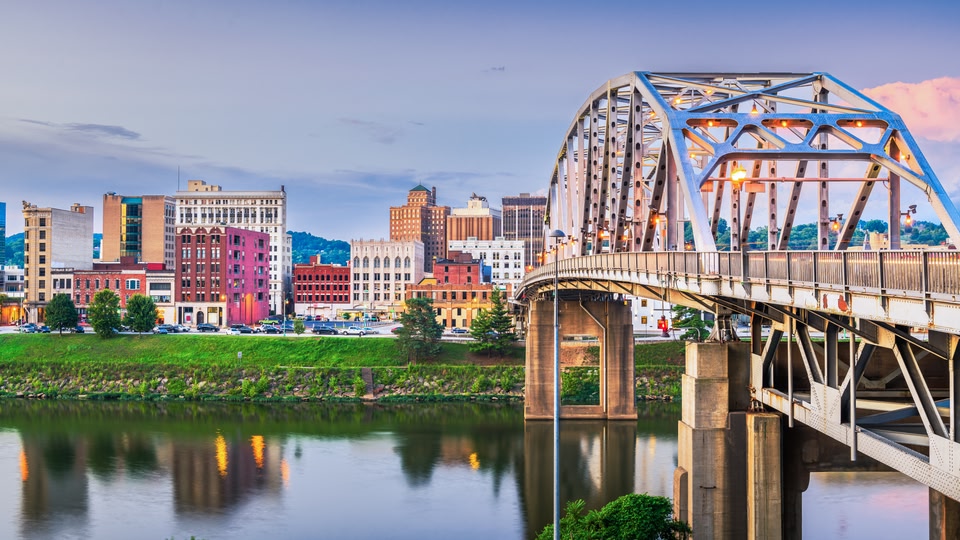
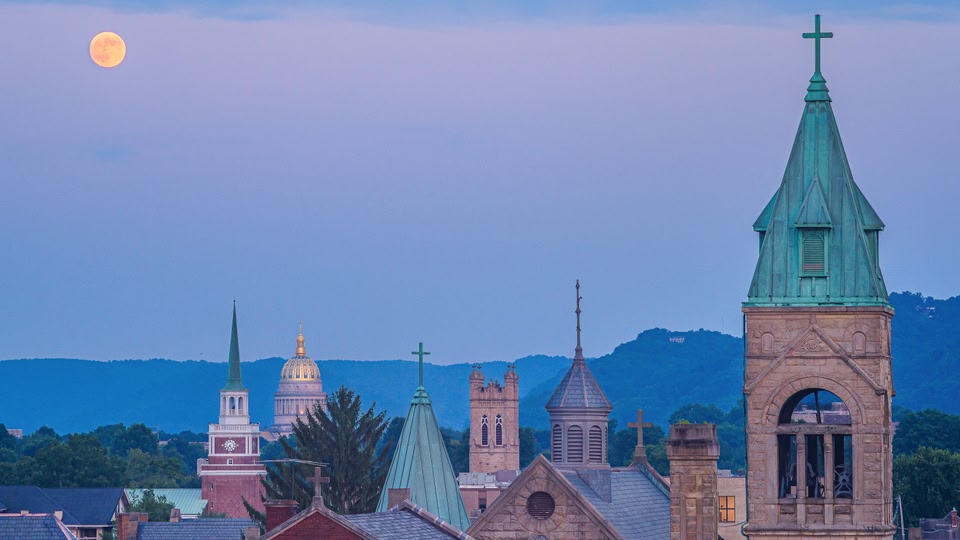
American frontiersman Daniel Boone once called this neck of the woods home. If he were alive today he’d be happily exploring the historic sites, hip boutiques, craft breweries and live music scene of West Virginia’s picturesque capital. On a holiday to Charleston, West Virginia, explore your wild side while enjoying the homespun comforts and hospitality of the Appalachians Mountains.
Charleston, West Virginia: Know before you go
Language
English
Currency
United States dollar ($)
Time zone
UTC-5 (EST) and UTC-4 (EDT)
High season
May – June
Low season
January – February


/
Caption
Photographer name
The best neighbourhoods in Charleston
Things to do in Charleston
Charleston
Getty Images/iStockphoto
Places to eat
Early hunters and foragers shaped the state’s recipe books by using wild ingredients. Many of the best restaurants in Charleston, West Virginia, are keeping those Appalachian cooking traditions alive, as well as putting upscale spins on old favourites. When it’s time for a break from ribs, buckwheat cakes and pepperoni rolls (the state dish) discover the city’s hearty appetite for international cuisines.
Shopping
Shopping in Charleston, West Virginia, is an adventure in itself. Make tracks to Capitol Market, housed in a restored railway depot, and pick up some mountain honey or artisanal chocolates. While you’re there, check out the WV Marketplace for locally made crafts and folk art. Bookworms will love the books, coffee and events at Taylor Books, a downtown landmark since 1995.
Take in the culture
The museums in Charleston, West Virginia cover all bases. Start at the Paleolithic period at the West Virginia State Museum. Learn about Black history in Appalachia at the Heritage Towers Museum. And if you’re visiting with kids, the hands-on science displays at the Avampato Discovery Museum will keep them busy for hours.
FAQs about Charleston holidays
Your holiday to Charleston, West Virginia should be a worry-free experience, as the city is generally considered a safe place. Still, you'll want to follow some commonsense precautions. Be alert in crowded areas and make sure valuables like your phone and wallet are safely stored away. An anti-theft bag or money belt comes in handy no matter where you go.
Conversations here are usually in English. Picking up a few local phrases and greetings can be a great way to start conversations and get to know people during your city break in Charleston, West Virginia.
The United States dollar (USD) is what you'll be spending on day-to-day purchases and activities during your trip to Charleston, West Virginia.
You could see most of the city highlights in a two to three day short break to Charleston, West Virginia. But to truly get a taste of the mountains and wilderness, we recommend setting aside a week for your holiday.
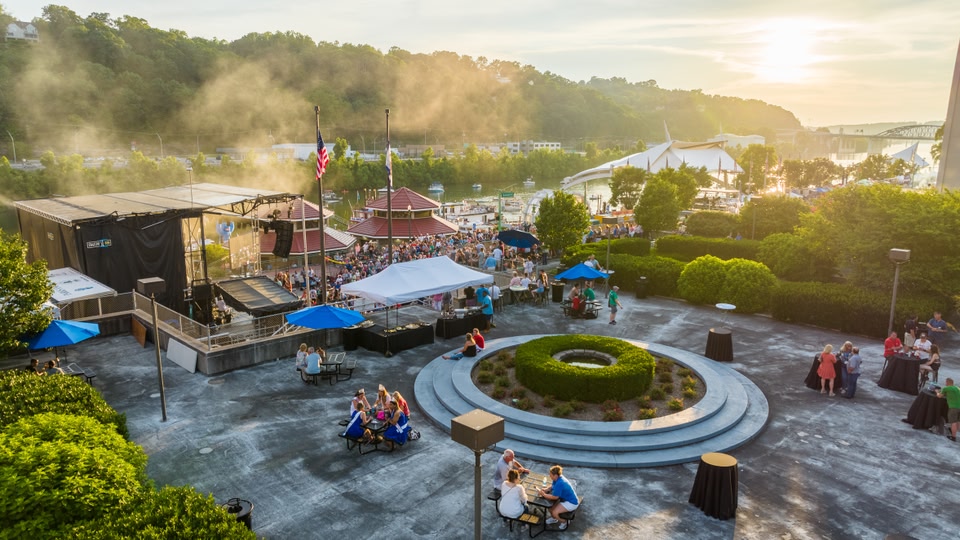
Being a small rural city has its advantages. You’ll find better deals on accommodation, dining and entertainment than in the big cities. Combine that with lots of free attractions, including the Friday night concerts at Haddad Riverfront Park and walking the Sunrise Carriage Trail, and a cheap holiday to Charleston, West Virginia is totally possible.
With an average rainfall of 17 cm, July is the wettest month to go on a Charleston, West Virginia holiday. When the weather turns, head indoors and enjoy the city's shops, museums, cafes and more.
January brings the coolest conditions. Plan your Charleston, West Virginia trip then and you can anticipate lows of -8ºC (18ºF).
With tons of things to do in Charleston, West Virginia, this lively city knows how to keep the fun rolling. Begin your sightseeing at must-visit attractions like Charleston Baptist Temple and Heritage Towers.
With maximum temperatures of 31ºC (88ºF), July is the warmest month in Charleston, West Virginia.
A summer holiday in Charleston, West Virginia can be hot, humid and busy. Beat the heat and crowds by going in the shoulder season (April to May and September to October). Hotels and flights are also cheaper outside the summer peak.


