Your guide to Lisbon

Lisbon highlights
Fado music
No trip to Lisbon is complete without soaking up the soulful strains of fado, Portugal’s national genre. Fado was created in the 19th century by sailors and dock workers in the Alfama district. It blends sorrowful vocals with the plucking of a classic guitar. Wander Alfama’s cobbled streets, where these ballads drift from every corner, or dive deeper into fado history at Museu do Fado.
Seafood paradise
Nestled so close to the Atlantic, Lisbon’s reputation for top-tier seafood is as unsurprising as the tides. From cheap and cheerful corner stands to upscale restaurants, there are fresh ocean bites to satisfy every budget and craving. Cervejaria Ramiro has been serving a tantalising array of shellfish, oysters and buttery garlic clams since the 1950s. To experience this culinary icon during your weekend break to Lisbon, be sure to book in advance.
Vintage trams
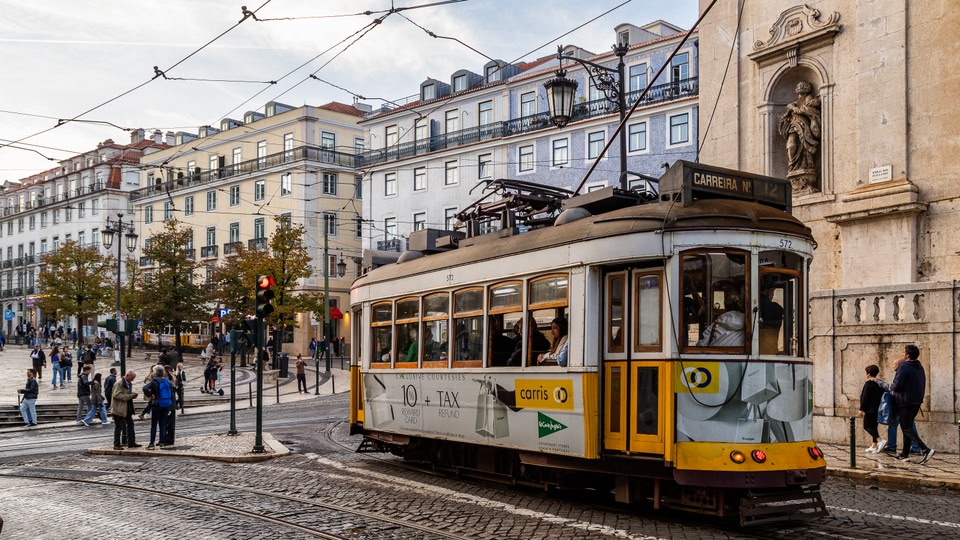
Lisbon’s vintage electric trams are among the city's most iconic and beloved symbols. Fondly known as ‘eletricos’, these yellow-and-white beauties have been clattering through the city’s streets since 1901. Among the six routes across the city, 28E is the perfect place to start your sightseeing. Especially if you’re trying to make it a budget trip to Lisbon. The scenic route rolls past some of Lisbon’s top landmarks and neighbourhoods.
Lisbon: Know before you go
| Language | Portuguese |
|---|---|
| Currency | Euro (€) |
| Time zone | UTC+0 (WET) and UTC+1 (WEST) |
| High season | June - August |
| Low season | January - February |
Find the best time to go to Lisbon
Weather in Lisbon
March – May: Spring is a great time to visit Lisbon. The crowds aren’t as thick as in the summer, and temperatures are still pleasant, with the occasional light shower. Pack a light jacket.
June – August: Expect T-shirt weather, clear sunny skies and crowded beaches in the summertime, with temperatures peaking in August.
September – November: September is still beach weather, with temperatures hovering around the mid-to-high 20s°C. Autumn rains become more frequent once you hit November.
December – February: Lisbon has one of Europe’s mildest winters. You’ll see a fair amount of rain, especially in December. But it’s a nice time to hit the Christmas markets and art galleries.
Events in Lisbon
Carnival (February or March): This lively pre-Lentern festival is celebrated across the city every year beginning on Shrove Tuesday, the day before Ash Wednesday. There’s music, dancing, costume parties and the main event, a vibrant parade complete with elaborately decorated floats.
Santo António Festival (June): Locals make an art form out of honouring the city’s patron saint. The colourfully decorated streets fill with revellers sipping sangria, eating grilled sardines and dancing to pimba music. There’s a costume parade, mass weddings and more.
Santa Casa Alfama Festival (September): This annual event celebrates Portugal’s famous fado music with two days of concerts in the Alfama neighbourhood.
The best neighbourhoods in Lisbon
Arroios
One of the best neighbourhoods to stay in Lisbon, Arroios is a lively and walkable district with leafy parks, cultural attractions and top-notch eating and drinking spots. Browse the 31 de Janeiro Market for fresh produce and seafood. Sniff out the perfect Portuguese custard tart in homey cafes, and learn about the city’s literary history at the oldest library in Lisbon, the Library of St Lazarus.
Good for: Cultural attractions, markets, bars

Alfama
Lisbon’s oldest neighbourhood, Alfama is characterised by medieval alleys, mosaics of ‘azulejos’ (traditional coloured tiles) and ancient sites like the Sao Jorge Castle and Lisbon Cathedral. Alfama is also the birthplace of fado music. Spend balmy evenings sampling local wines and listening to soul-stirring performances at the district’s many cosy bars.
Good for: Fado, history, wine
Chiado
Stay in Chiado for culture, coffee and shopping. Sip ‘bica’ (Portuguese coffee) at A Brasileira, a beloved haunt of intellectuals and artists since 1905. Browse for your next page-turner at the world’s oldest bookstore, Livraria Bertrand. Explore Lisbon’s spiritual heritage in Igreja da Encarnacao and Igreja do Loreto. And with funky bars and live music venues, Chiado is also one of the best areas to stay in Lisbon for nightlife and dining.
Good for: Shopping, coffee, restaurants

Avenidas Novas
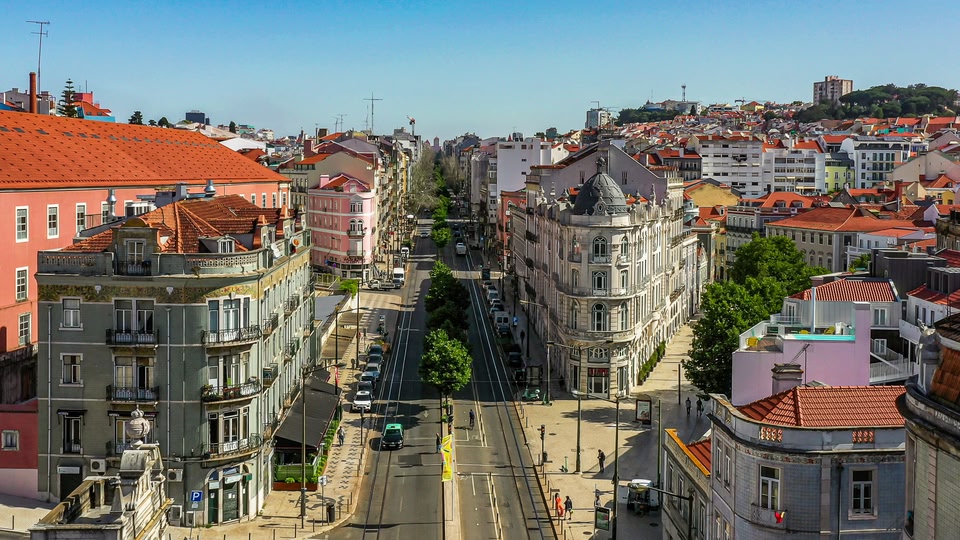
With wide, leafy avenues and Art Nouveau buildings, this lesser-known corner of Lisbon is brimming with historical charm. Visit a library inside a 17th-century palace at the Biblioteca Palácio Galveias, or discover the city’s history at Praça Marquês de Pombal. Looking for retail therapy? Make a beeline for Avenida da Liberdade, an elegant shopping street inspired by Paris’ Champs-Élysées.
Good for: Historic architecture, museums, shopping
Misericórdia
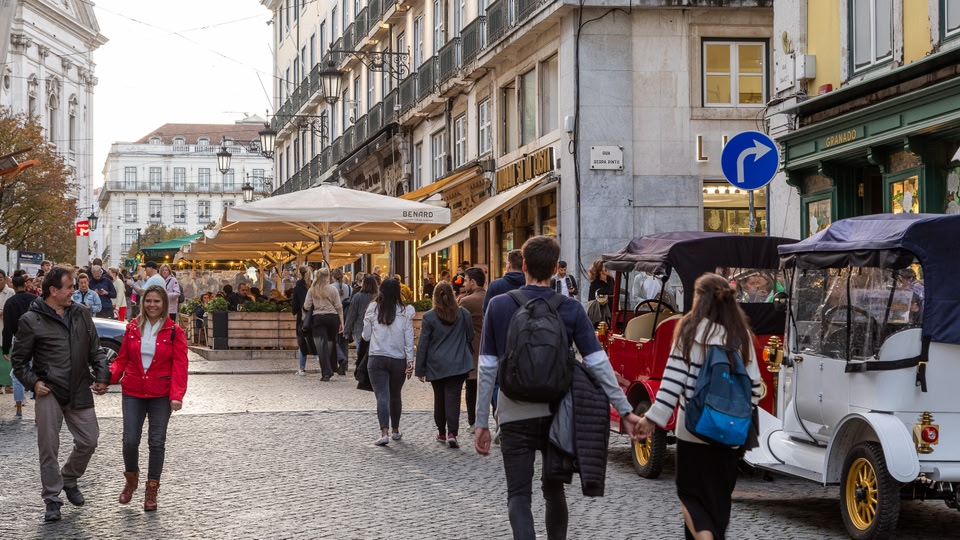
Dishing up a classic Lisbon combination of yellow trams, steep streets and stunning vistas, Misericórdia is a great base for exploring this captivating city. By day, cultural hotspots like the São Roque Museum and the Pharmacy Museum provide plenty of entertainment. By night, the melancholic melodies of traditional fado music blend with the chatter of bars in lively Bairro Alto.
Good for: Tram rides, fado music, museums

Santo António
Lisbon’s swankiest neighbourhood dazzles visitors with its elegant streets and panoramic views. It’s home to some of the city’s oldest performance venues, from the 19th-century Coliseu dos Recreios to the Cineteatro Capitólio, with its revamped 1930s facade. Admire the cityscape from São Pedro de Alcântara, a favourite sunset-watching spot, or stroll through pretty parks such as Jardim do Torel.
Good for: Parks, theatres, panoramic views

Things to do in Lisbon
Shopping
You’ll find a diverse range of shopping in Lisbon, from upscale boutiques to lively markets. Lose yourself in the alleys of Alfama, where local artisans sell handmade crafts and souvenirs. Wander down the leafy Avenida da Liberdade for designer labels like Gucci and Burberry. For hundreds of shops, cinemas and all kinds of eateries, head to Centro Vasco da Gama, Lisbon’s biggest shopping and entertainment centre.
Beaches
While there are no beaches in Lisbon itself, the city is on the doorstep of some of Europe’s best. Hop on a ferry from Terreiro do Paco to reach Alburrica Beach. Or take a short train ride to Carcavelos Beach for golden shores and handy amenities. For seclusion, drive to Adraga Beach, where you’ll find rugged cliffs, crashing waves and sublime sunsets.
Take in the culture
Begin your Lisbon cultural tour in the western district of Belem, home to UNESCO-listed wonders. Admire the cloisters of Jeronimos Monastery and the 16th-century grandeur of Belem Tower, Lisbon’s historic maritime gateway. Then delve into 11th-century history at Sao Jorge Castle before exploring the best museums in Lisbon. Highlights include the National Museum of Ancient Art and the innovative exhibits at the Museum of Art, Architecture and Technology.
Places to eat
The search for the best restaurants in Lisbon starts at Time Out Market, where Portugal’s top chefs create dishes using the freshest local ingredients. In Belem, savour iconic ‘pasteis de nata’ (egg custard tarts), first made by 13th-century monks in Jeronimos Monastery. And for upscale dining, Chiado beckons with Michelin-starred restaurants and venues like BAHR, with water and city views.
Nightlife
Revellers are spoiled for choice with the nightlife in Lisbon. Bairro Alto is the city’s main clubbing spot, with cocktails and dancing aplenty. Cais do Sodre was once the city’s red-light district but is now known for its hip-hop and techno clubs. For upscale venues and the city’s most fabulous gay bars, head to Principe Real.
Free things to do
One of the best free things to do in Lisbon is to admire the millions of pretty azulejos tiles scattered across the city. Enjoy modern art and architecture for free at Parque das Nacoes. And catch a sublime sunset at ‘miradouros’ (viewpoints) like Senhora do Monte and Santa Luzia, where Lisbon’s iconic red roofs stretch out towards the Tagus River.
Get ready for Lisbon
Budget
Not only is Lisbon one of Europe’s most affordable capitals, but it’s also packed with free and inexpensive things to do, making it simple to explore Lisbon on a budget. You can eat for under 15 euros (€) per meal, and domestic beers or morning cappuccinos run €3. A quick taxi ride costs about €4.
Day trips from Lisbon
Home to the surreal National Palace of Pena, the mountain town Sintra is a hidden gem just a 40-minute train ride from Lisbon. Évora, 90 minutes by car, is a UNESCO World Heritage Site famous for its red and white wines and medieval ‘Chapel of Bones’. The beaches of charming Cascais are under an hour away by train.
Getting around Lisbon
The city’s efficient public transport network offers a convenient way to get around. Grab a rechargeable Navegante card for discounted fares and seamless transfers on metro, bus, tram, funicular, ferry and suburban train. And don’t forget to ride an iconic vintage tram at least once during your visit to Lisbon.


