Holidays to Manila

This bustling Asian capital draws you in with its historic attractions and modern amenities. Here, Spanish Colonial churches sit alongside Art Deco buildings housing artists and bars, while the food scene runs from street stalls to high-end dining rooms. Your holiday to Manila gives you access to it all, from world-class eating and nightlife to historic neighbourhoods and some of the continent’s largest shopping centres.

Manila holiday highlights
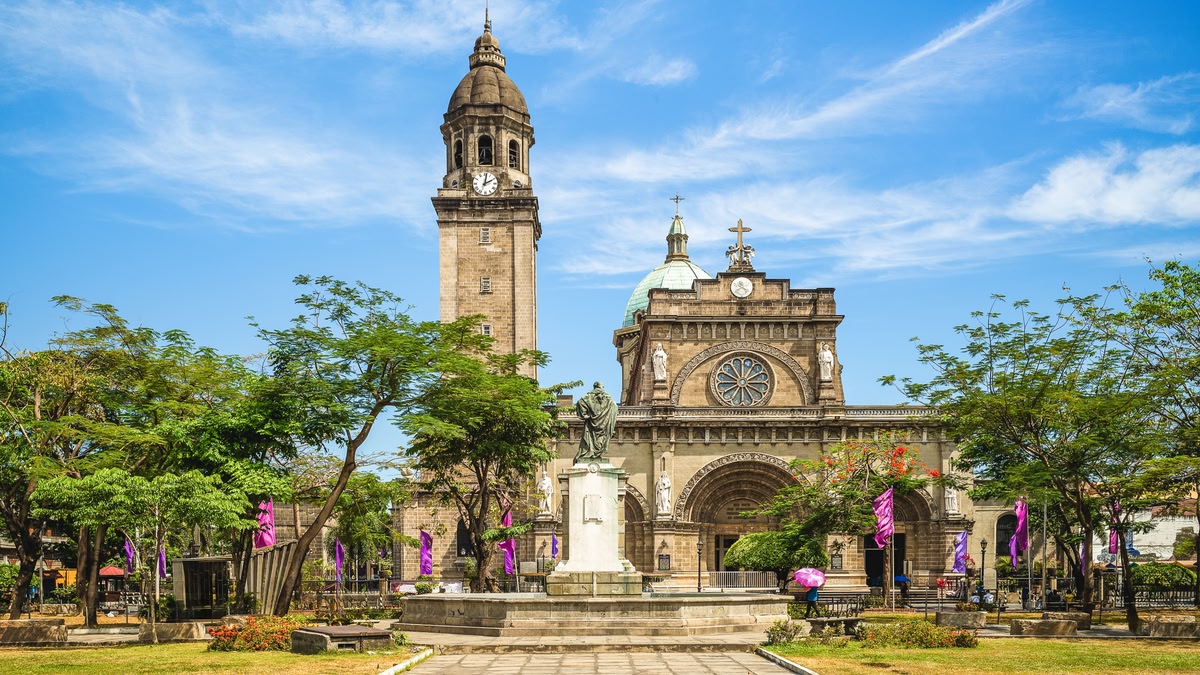
Manila
Shutterstock

Epic shopping

No holiday in Manila is complete without checking out its incredible malls, which function as social hubs as much as shopping centres. You’ll find restaurants, bars, cinemas and galleries alongside retail. Greenbelt pairs upscale stores with an outdoor park and a respected museum, while Greenhills is best known for its sprawling flea market and bargain hunting.

Churches and feasts

Catholicism shapes daily life here in visible ways. During major feast days like the Black Nazarene, crowds fill the streets, while historic churches anchor quieter moments year-round. San Agustin Church, over 400 years old, stands out for its Baroque design and UNESCO status. Nearby, San Sebastian Basilica is notable for its Gothic Revival style and unusual all-steel construction.

Cultural crossroads

Manila’s cultural mix shows up in everyday details. You’ll hear English and Filipino used interchangeably, and taste Chinese and Spanish influences woven into local dishes. In places like Rizal Park and Fort Santiago, former colonial sites now function as open public spaces where you can walk the grounds, slow down and see how history fits into daily life.

Manila: Know before you go

Language

Filipino, English

Currency

Philippine Peso (₱)

Time zone

UTC+8:00 (PHT)

High season

December - April

Low season

May - November
Find the best time to go to Manila

Weather in Manila

January – April: Even in the cooler months of Manila’s dry season, temperatures rarely drop too low. It’s the perfect time to explore historic neighbourhoods or Rizal Park on foot. Temperatures soar in March and April, and crowds flock to the beaches to beat the heat. You’ll want to have plenty of sun cream and water on hand, even if you’re staying in the city.

May – December: The wet season brings muggy heat and occasional typhoons from June to October. Most of the rainfall happens in the afternoons. Thankfully, Manila boasts lots of indoor–outdoor attractions, so you can take shelter during a downpour. The rains taper off by November, welcoming cooler weather and Christmas markets.

Events in Manila

Feast of the Black Nazarene (January): One of the city’s most significant religious events, this procession draws millions of devotees as a centuries-old statue of Jesus is carried through Manila’s streets. Roads close, crowds gather early, and the scale of participation is unlike anything else in the region.

Aliwan Fiesta (April, May or June): This large-scale cultural festival brings together traditions from across the Philippines. Expect street-dancing competitions, a float parade and the crowning of ‘Reyna ng Aliwan’, a nationally followed beauty pageant.

Festival of Lights (November to January): This beloved holiday tradition transforms the Ayala Triangle Gardens into a dazzling light display featuring cultural motifs and colourful Christmas lanterns. Snap a selfie under the lights while enjoying music and performances.

We scan 100 billion prices, so you don’t have to

Compare prices to bag a cheap holiday to Manila

Book your holiday to Manila, all in one place

The best neighbourhoods in Manila

Makati

This neighbourhood balances business, nightlife and everyday city life in one compact area. By day, glass towers and shopping centres dominate. After dark, bars, music venues and late kitchens take over. With hotels at every price point and food ranging from street stalls to fine dining, it’s a practical place to stay in Manila if you want variety without long travel times.

Good for: Culture, nightlife, hotels

Binondo

If food is a priority, start in Binondo. The oldest Chinatown in the world, it’s been dishing up delicious Hokkien cuisine and other regional Chinese dishes for over 400 years. Once you’re full, check out the Art Deco architecture and artists’ collectives along Escolta Street, or shop for jewellery on Ongpin Street.

Good for: Dining, street food, souvenirs

Intramuros

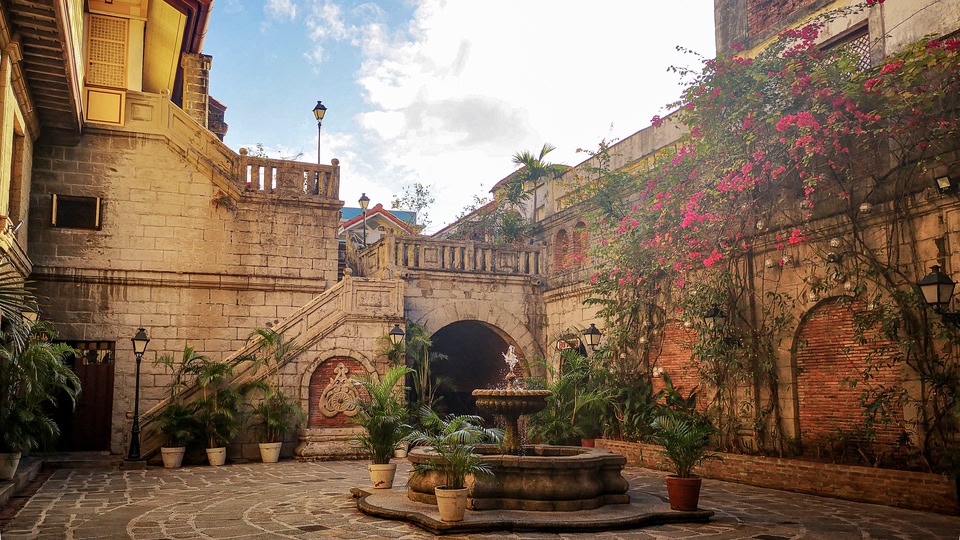
Many of the city’s oldest landmarks sit within the walled streets of Intramuros. You’ll walk past sites like San Agustin Church and Fort Santiago, with colonial-era buildings tightly clustered together. Bamboo bike rentals make it easy to cover more ground, and museums like Casa Manila and Bahay Tsinoy add context around daily life and Chinese influence.

Good for: History, architecture, museums

Things to do in Manila

Manila
Shutterstock

Beaches

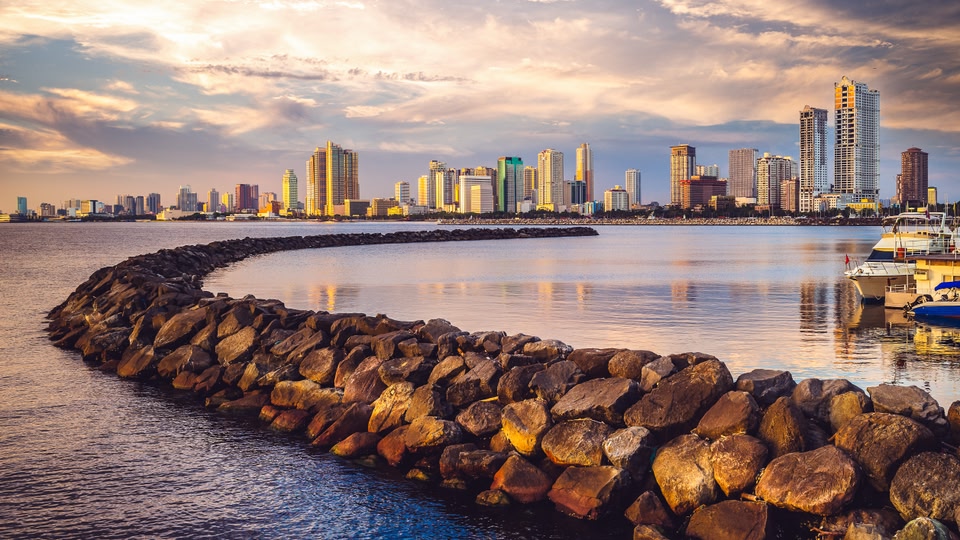
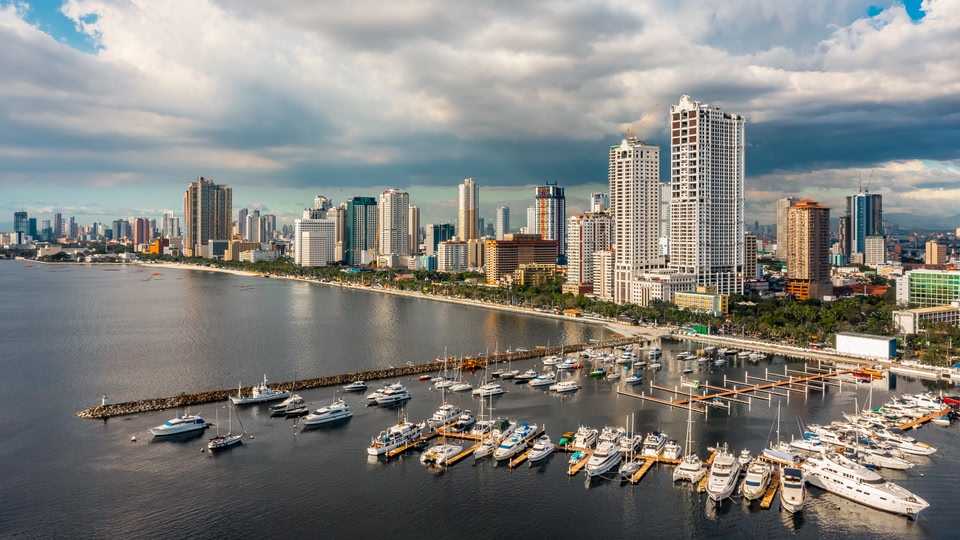
As the sun sets, locals gather along Baywalk to watch the light fade over Manila Bay. Families relax nearby, and couples stop for photos at the artificial Dolomite Beach, though swimming isn’t allowed. For a true beach day, head out of the city to Batangas, or take a ferry to Camaya Coast.

Shopping

Manila ranks among Southeast Asia’s strongest shopping cities, thanks to its mix of high-end shops and street markets. Makati Avenue is the centre for luxury and international brands, while Divisoria is known for low prices and traditional goods. For design-led souvenirs, Escolta Street’s art markets and galleries show off work by local makers.

Nightlife

Nightlife spreads across several neighbourhoods, starting in Poblacion near the Pasig River, where wine bars, small music venues and casual hangouts sit close together. For live shows, Quezon City draws emerging acts. Elsewhere, Salcedo Village favours quieter bars, and Bonifacio Global City leans club-focused. Rooftop lounges are scattered throughout the city.

Places to eat

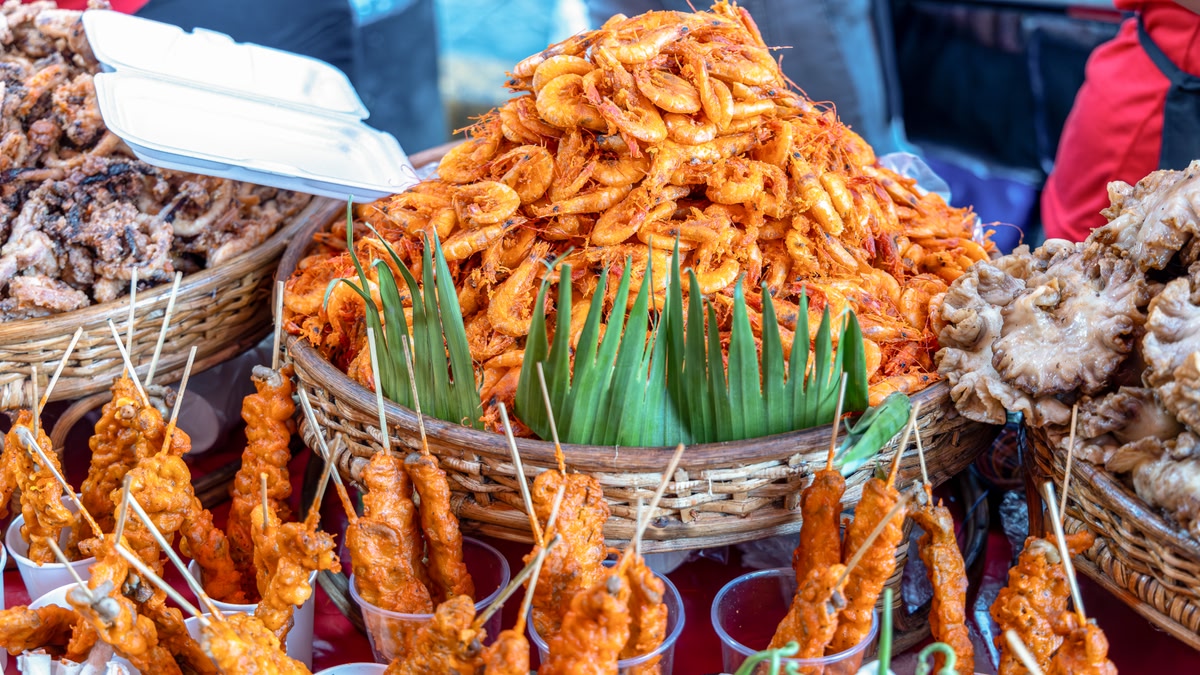
Restaurants in Manila reflect Spanish, Chinese and American influences on traditional dishes. Local favourites include ‘adobo’ (pork braised in a savoury, vinegary sauce) and ‘pancit’ (stir-fried noodles with Chinese roots). The Ayala Triangle is known for its restaurants with modern takes on Filipino cuisine. Or snack your way through the city on a tour of Manila’s legendary street food.

Take in the culture

Many of the most visited museums in Manila can be found in Intramuros, including Casa Manila, which recreates upper-class life in the 19th century. Nearby, the free National Museum Complex spans everything from Neolithic artefacts to modern art. In Makati, the Ayala Museum and smaller galleries offer a more contemporary take on Filipino culture.

Family friendly

Families have plenty of hands-on options. The National Museum of Natural History introduces the country’s biodiversity through interactive displays, while Lakbay Museo offers a playful walk-through of Filipino culture with food tastings, costumes and music. For high-energy fun, Star City combines outdoor rides with indoor attractions that appeal to all ages.

Plan your holiday to Manila

Budget

With loads of affordable food options and low-cost attractions, a cheap trip to Manila is well within reach. You can get a meal at an inexpensive restaurant for around 350 Philippine pesos (₱), and street food and food courts are even cheaper. A short taxi ride is usually under ₱100, but stay alert for scams.

Day trips from Manila

When the heat kicks up, Tagaytay City offers a cooler break thanks to its higher elevation and wide views over Taal Lake and its volcano island. You can also visit Corregidor Island at the mouth of Manila Bay on an organised boat tour, exploring preserved forts and tunnels that trace its role during World War II.

Getting around Manila

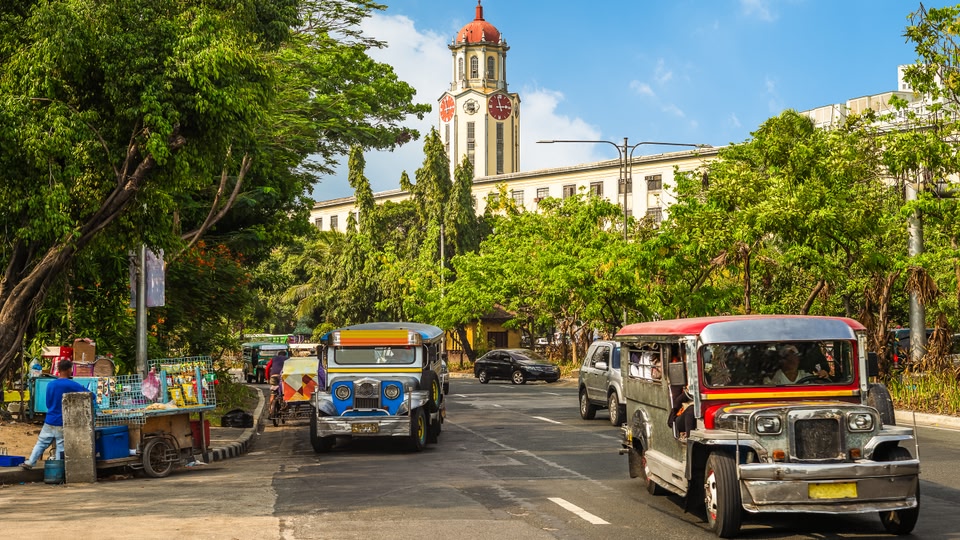
‘Jeepneys’ (colourful minibuses) are one of the city’s most recognisable ways to get around, though routes can be confusing at first. Asking for help is often the easiest way to navigate them. Light rail and metro lines connect many major areas, while ride-hailing apps like Grab are popular and usually the simplest option for short trips.

FAQs about Manila holidays

Organise your Manila holiday for January, and you’ll be there when the weather is at its coolest, averaging lows of about 21°C
April is the hottest month in Manila, with temperatures reaching highs of 35°C.
Filipino, based on Tagalog, is the language you’ll encounter most often while on your city break in Manila. English is also an official language and widely spoken.
While on your trip to Manila, you’ll be using the Philippine peso (PHP) for all your spending. You may find it useful to carry a mix of cards and cash to avoid any issues with payments.
Manila is a strong choice if you enjoy big, energetic cities with depth. You’ll find a mix of history and nightlife, plus one of Southeast Asia’s most exciting food scenes, all playing out across distinct neighbourhoods.
Three days give you enough time to explore the historic core and get a feel for the city’s food, culture and nightlife. If you can stay longer, use Manila as a base for coastal trips or nearby nature escapes.
While Manila has its fair share of luxury, there are lots of ways to save. You’ll find delicious food at almost any price point, and many cultural sites offer free or relatively low-cost admission. Plan your trip during the rainy season for deals on airfares and hotels.
The cooler half of the dry season is perfect for exploring Manila’s historic neighbourhoods and parks on foot. But don’t let summer storms keep you away. Between the shopping, museums and unique indoor attractions, you’ll find plenty to do on a rainy day.
With an average rainfall of 57 cm, July is the rainiest month to go to Manila. This is peak monsoon season, so it’s a good idea to keep your itinerary flexible and allow extra travel time.
Most of the tourist areas in Manila are safe. Always stay aware of your environment and be alert for pickpockets and scams. Air pollution can cause health issues for some, so monitor air quality and consider wearing a mask outdoors on bad days.