Your guide to Donegal
Donegal highlights
Where to stay
At the centre of Donegal town, the Diamond is lined with shops and pubs and sits just steps from the River Eske and Donegal Castle. Nearby, you’ll find cheerful guesthouses and mid-range hotels, some with bay views and regular live music. Beyond town, country bed and breakfasts offer a quieter stay, while the area around Lough Eske is home to a handful of more upmarket retreats.
Hilltop hikes
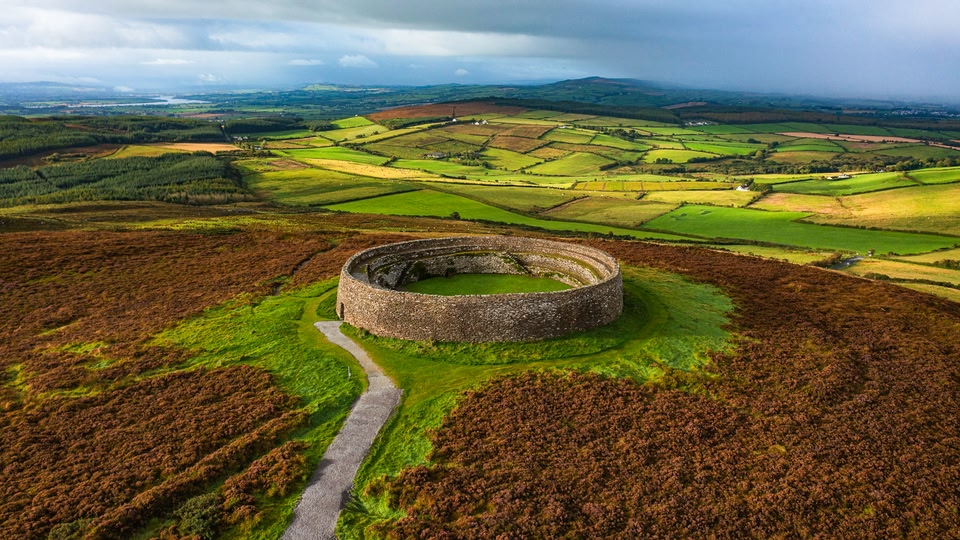
Lace up your boots and experience County Donegal’s windswept cliffs and mountain views. Walking trails on Donegal’s doorstep take you past granite rocks and ‘loughs’ (lakes). For avid hikers, the 65-kilometre Bluestack Way is a picturesque challenge. Plus, the Slieve League Cliffs and Glenveagh National Park are about an hour’s drive away.
Heritage handicrafts
Pick up some handmade heirlooms on your trip to Donegal. Hardy Donegal tweed captures the beauty of the countryside in warm, earthy colours. In Donegal town centre, you’ll find shops specialising in hand-tailored tweed caps and Irish wool. At the Donegal Craft Village, artists give traditional crafts like pottery and silversmithing a contemporary edge.
Donegal: Know before you go
| Language | Irish, English |
|---|---|
| Currency | Euro (€) |
| Time zone | UTC+0 (GMT) and UTC+1 (IST) |
| High season | June - August |
| Low season | November - March |

Things to do in Donegal
Places to eat
County Donegal is known for its fresh ingredients and local producers. Taste seafood from Killybegs and Donegal lamb in traditional Irish pubs, tearooms and waterfront dining. But restaurants in Donegal aren’t the only places to get a bite of this Irish bounty. August brings foodies to town for the Taste of Donegal food festival.
Beaches
The coastline of County Donegal is studded with sandy beaches and prime surfing spots. Only 15 minutes from Donegal town, Blue Flag–rated Murvagh Beach is perfect for a summer swim or a long coastal walk at any time of the year. The legendary waves of Bundoran, one of Ireland’s best surfing spots, are less than 30 minutes away.
Free things to do
You’ll glimpse Donegal’s rich and fascinating history as you make your way through town. Explore the ruins of Donegal Abbey, home of the ‘Four Masters’, who composed one of Ireland’s most important medieval histories. The Famine Graveyard commemorates victims of the 19th-century Great Famine. Head to Ard na Mona Wood and Lough Eske for perfect country walks.


