Your guide to United Arab Emirates
Top destinations in United Arab Emirates

Abu Dhabi
From vast, sandy deserts and designer boutiques to a world-famous Formula 1 track and the world’s fastest roller coaster, Abu Dhabi’s varied splendour is out of this world.

Dubai
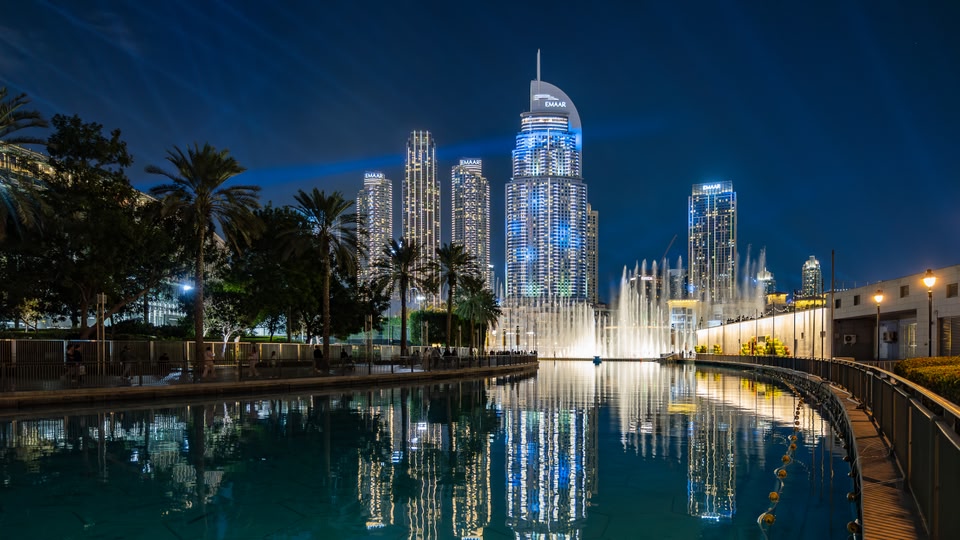
Dubai combines Emirati traditions with international modernity in an otherworldly destination of earth’s tallest, highest, fastest – you get the drift – experiences. Buckle up… or just relax on the beach.

Ras al Khaimah
Enjoy modern Emirati luxury and golden beaches at a slower pace in Ras al Khaimah. With a growing reputation as an adventurer’s paradise, this pearl of a city won’t stay hidden for long.
United Arab Emirates: fast facts
| Language | Arabic |
|---|---|
| Currency | United Arab Emirates dirham (AED) |
| Time zone | UTC+4 (GST) |
United Arab Emirates highlights
Modern architecture
There’s no question that the iconic Burj Khalifa is one of the most impressive things to see in the UAE. But it’s only one of the country’s many architectural marvels. Dubai’s Burj Al Arab and the Museum of the Future give traditional motifs a futuristic spin. And Capital Gate in Abu Dhabi is the world’s most tilted building.
Public art
From pop art on the Dubai metro to a sculpture of the Quran at a roundabout in Sharjah, public art is everywhere in the UAE. Discover street art in Al Fahidi Historic District or explore the installations at DIFC Sculpture Park in Dubai. The Public Art Abu Dhabi Biennial transforms Abu Dhabi and Al Ain into a free, open-air gallery.
Island hopping
No Emirati trip is complete without visiting some of the hundreds of islands – both natural and man-made – that dot the Persian Gulf. Soak up the sun at a luxury resort and enjoy the glamorous nightlife on Palm Jumeirah and Al Maryah Island. Sir Bani Yas, the UAE’s largest natural island, boasts a nature reserve that’s home to over 17,000 animal species.

Things to do in United Arab Emirates
Top attractions
Standing 828 metres tall, the Burj Khalifa is the tallest building in the world. Check out panoramic views of Dubai from the lounge or observation decks. Discover 130,000 years of human history at the Mleiha Archaeological Centre in Sharjah. In Abu Dhabi, the Sheikh Zayed Grand Mosque is a jewellery box of Islamic art and architecture.
Family friendly
Movie magic comes to life at Motiongate in Dubai, with rides and attractions based on popular films like ‘Ghostbusters’ and ‘Shrek’. Sports fans experience the thrills of professional football at Dubai’s Real Madrid World and race car driving at Abu Dhabi’s Ferrari World. Wave pools and waterslides mix with Emirati history and culture at Yas Waterworld.
Beaches
From luxe resorts to lively public beaches, the UAE delivers white sands, warm waters and non-stop action. Catch a golden sunset behind the iconic Burj Al Arab on Sunset Beach, or watch colourful kitesurfers dance across the sky at Dubai’s Kite Beach. In Abu Dhabi, the Corniche promenade is perfect for a breezy afternoon stroll.
Nature
The UAE may be known for artificial islands and indoor ski slopes, but the country has tons of nature to explore. Tour the Dubai Desert Conservation Reserve or zipline across the craggy peaks of Jebel Jais in Ras Al Khaimah. Urban oases like the Wasit Wetland Centre in Sharjah and Dubai’s Ras Al Khor Wildlife Sanctuary offer peaceful havens for migrating birds.
Cuisine
A lot of Emirati cuisine centres around hearty stews and fragrant spices. For breakfast, try ‘chebab’ (crispy pancakes with rich date syrup) or sit down to a bowl of ‘thareed’ (beef and vegetable stew). But restaurants in the UAE are about the experience as much as the food. You can dine in the dark, underwater or on top of Jebel Jais or the Burj Khalifa.
Culture and museums
At the best museums in the UAE, you’ll discover first-class art collections, historic forts and fascinating Islamic history. The Louvre Abu Dhabi emphasises cultural connection with global collections, while the Sharjah Art Museum shines a spotlight on local masterpieces. Housed in a 19th-century fort, the National Museum of Ras Al Khaimah celebrates the region’s history of trade.
Find the best time to visit United Arab Emirates
Weather in United Arab Emirates
November – March: It’s sometimes said that the UAE has two seasons, hot and hotter. January is the coolest month, with daily highs around 24°C. Pleasant temperatures and warm water draw crowds to the beaches. January to March is the rainy season, but don’t let that deter you. There are fewer than ten rainy days a year, and showers can be intense but short.
April – October: Summer in the UAE is very hot. Expect daytime highs above 38°C from June to September. The interior of the country is even hotter. It can also be humid, though rain is rare. This is the season for deals on travel and accommodation. Just make sure to stay inside during the hottest part of the day.
Events in United Arab Emirates
Sharjah Biennial (February to June, odd years): Public courtyards are transformed into open-air galleries, and historic buildings play host to large-scale installations at this international arts festival in Sharjah. Take a guided tour or let yourself get lost among the art – most exhibits are free to the public.
Noor Festival of Lights (October): South Asian communities introduced Diwali to Dubai. This Hindu Festival of Lights celebrates the city’s diversity and multicultural spirit with fireworks, processions and performances.
Abu Dhabi Grand Prix (December): Watch the world’s best drivers speed around Yas Marina in Abu Dhabi. This race is the grand finale of the Formula 1 season, so it’s usually a dramatic nail-biter.
Know before you go
Local etiquette
Each emirate has slightly different decency laws, with Dubai being the least conservative and Sharjah the most. In general, you should dress modestly. Keep your shoulders and legs covered — leave the bathing suits for beaches and resorts. Avoid public displays of affection, and be mindful of laws around alcohol. Stick to licensed bars and restaurants, and avoid drunken behaviour in public.
Health and safety
Emirati heat and humidity can be challenging, even if you’re used to high temperatures. Consider staying inside during the hottest part of the day. Sun protection and hydration are essential, as shade can be hard to come by. The Persian Gulf is relatively calm for swimming, but stay alert for rip currents and stinging jellyfish.
LGBTQ+ travel
Homosexuality is illegal in the UAE, and laws related to gender expression can be enforced against transgender people, including visitors. But with a little bit of discretion, many LGBTQ+ travellers still enjoy visiting the UAE. Though you may see same-gender friends holding hands, avoid other public displays of affection. Some hotels will require same-sex travellers to book rooms with two beds.
Budget
Though the country is known for luxury breaks, an affordable visit to the UAE is very possible. Opt for inexpensive local restaurants, where a meal costs around 35 Emirati dirhams (AED). City passes also help save on popular attractions. The heat can make walking difficult, but at AED 9 for a short ride, taxis can add up. Go with public transport instead.

Getting around United Arab Emirates
Public transport
Buses: Buses are the cheapest way to travel between cities, but systems vary by emirate and can be confusing. Dubai’s RTA offers well-connected routes. Use a Nol card for buses, trams, the metro and even parking.
Trains: The Dubai metro system runs from the border with Sharjah to the port of Jebel Ali. An extension to Abu Dhabi, as well as passenger rail service across the country, is in development.
Boats: The Dubai Ferry runs from Al Ghubaiba to the Dubai Marina. It’s a great way to see the city skyline from the water. ‘Abra’ (traditional water taxis) operate in Dubai Creek. Take a ferry from Jabal al Dhanna to Dalma Island in Abu Dhabi.
Domestic flights
There are limited non-scheduled flights between Dalma Island and Abu Dhabi, though they mostly serve residents. Travel must be arranged directly with the Dalma airport.
Driving
Driving can be a good way to get around, especially if you plan on heading into the desert. Designed to reduce congestion, tolls vary across emirates. Dubai uses an electronic tolling system called Salik on major roads, while Abu Dhabi’s Darb system only charges during peak hours. In general, it’s better to rely on public transport in the cities, as congestion can be bad.


