Your guide to Austria
Top destinations in Austria
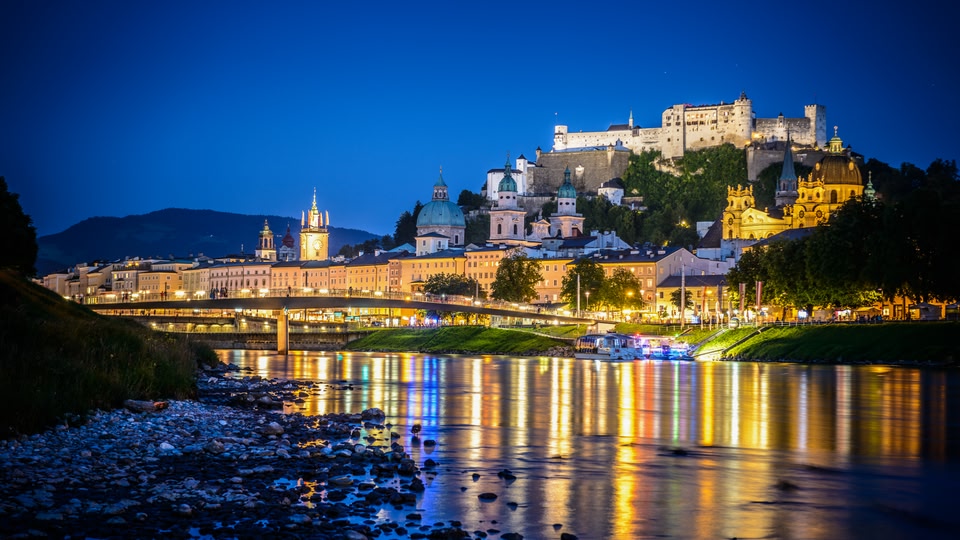
Salzburg
Mozart may have played his last note, but the hills of this Austrian town are still alive with music. Say hello to Salzburg.
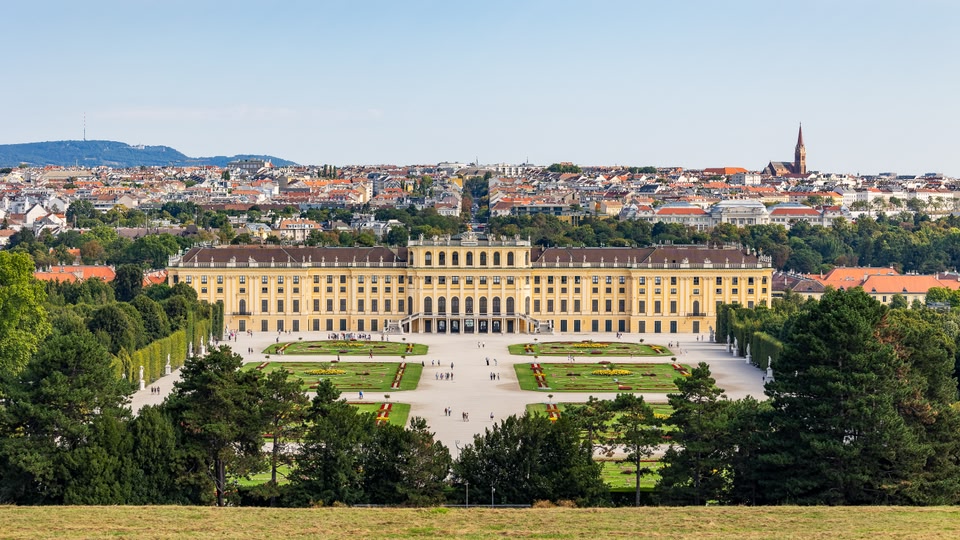
Vienna
A city of classical music, historic artworks and a revered coffee culture, Vienna is a celebration of cultural credentials, soul-warming food and roving greenery.

Innsbruck
With its Baroque churches, twisting streets and snow-covered peaks, this Alpine city looks as if it were plucked straight from a snow globe. Get an insider’s view of Innsbruck.
Austria: fast facts
| Language | German |
|---|---|
| Currency | Euro (€) |
| Time zone | UTC+1 (CET) and UTC+2 (CEST) |
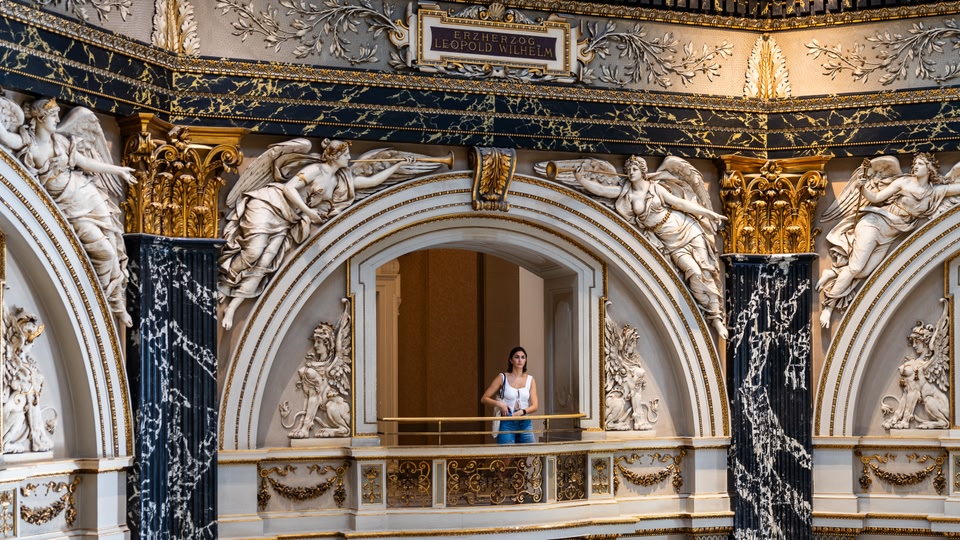
Austria highlights
Get outdoors
No matter the season, one of the best things to do in Austria is explore the great outdoors. In the warmer months, hike or cycle the ‘Adlerweg’ (Eagle Walk), a long-distance trail through Tyrol. Or take your pick from hundreds of dive sites in the lakes of the Salzkammergut and Salzburg regions. Love winter sports? Hit the slopes at St Anton am Arlberg, Kitzbühel or Innsbruck.
Soak up the history
Once a major 19th-century empire, Austria has a staggering amount of history to explore. Vienna’s Baroque Schloss Schönbrunn draws millions of visitors annually. And classical music enthusiasts flock to Mozart’s birthplace in Salzburg. Austria also boasts dozens of castles, with Burg Hohenwerfen in the Salzach River Valley and Schloss Ort in Gmunden being two of the most beautiful.
Sample the wine
Austria’s wine production has boomed in the last few decades. Best known for crisp Grüner Veltliner and Riesling, the country’s wine production is focused around ‘Niederösterreich’ (Lower Austria), Burgenland, Styria and Vienna. To make the most of Austria’s great grapes, travel along the ‘Weinstraße’ (Wine Road), an 830-kilometre route through eight growing regions and more than 150 wine villages.
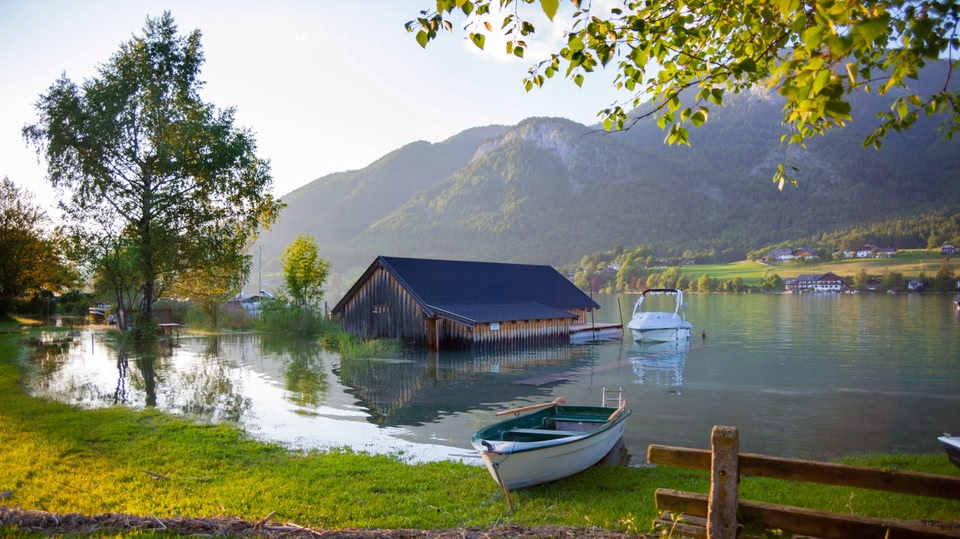
Things to do in Austria
Top attractions
The summer seat of the Habsburg imperial family, Vienna’s Schloss Schönbrunn stuns visitors with grand 18th-century interiors and elegant gardens. The walls and turrets of Festung Hohensalzburg tower over Salzburg, combining medieval history with sweeping views of the city. Museums, hikes and amazing panoramas line the Grossglockner High Alpine Road into the Hohe Tauern National Park.
Beaches
While you won’t find many traditional sandy beaches in landlocked Austria, the country is known for its scenic lakes and rivers that invite you to swim in their pristine waters. The Salzkammergut region alone has 76 lakes, including Fuschlsee and Mondsee. And Zell am See’s Lake Zell has beaches and lidos, as well as plenty of opportunities for water sports like kayaking and paddle boarding.
Nature
Waterfalls, mountains and rolling hills — Austria is brimming with natural wonders. Visit Salzburg’s Nationalpark Hohe Tauern with its Krimml Waterfalls, the tallest in the nation. Between May and October, venture into Werfen’s Eisriesenwelt, the world’s largest ice cave. Throw in Innsbruck’s Nordkette mountains and breathtaking lakes like the Grüner See in Tragöß, and Austria is a nature lover’s dream.
Culture and museums
Vienna’s world-class Kunsthistorisches Museum is one of the most famous museums in Austria. It’s housed in a palatial building and showcases works spanning five millennia. But the country’s culture isn’t confined to galleries and museums. From fairy-tale castles like Leobendorf’s Burg Kreuzenstein to celebrations of the arts like the annual Salzburg Festival, Austria’s offerings are as diverse as they are impressive.
Cuisine
Traditional restaurants in Austria showcase local favourites like ‘wiener schnitzel’ (breaded veal cutlet) and ‘tafelspitz’ (boiled veal or beef in broth). It’s also a country big on desserts, with ‘apfelstrudel’ (apple strudel) and ‘sachertorte’ (chocolate and apricot jam cake) as some of the most popular treats. Visiting Vienna? Sample the capital’s coffee house culture at Café Central and Café Sacher.
Family friendly
Tour the world’s oldest zoo, the Tiergarten Schönbrunn in Vienna, aboard the sightseeing panorama train. Also in Vienna, the Prater combines tranquil trails and green meadows with a theme park, packed with thrills and a giant Ferris wheel. You can’t beat the Alpine views from the Nordkette cable car, which runs from Innsbruck to the Karwendel Nature Park and the Alpenzoo.
Find the best time to visit Austria
Weather in Austria
March – May: Winter snow starts to melt and the weather warms, marking the beginning of Austria’s hiking season. Snow can linger in the Alps throughout spring.
June – August: Summer is the best time for nature lovers to visit Austria. June brings wildflowers and long, warm days to Alpine meadows and nature parks. Be on the lookout for afternoon thunderstorms, especially in the mountains.
September – November: Clear skies and autumn foliage make a great backdrop for a September hike. Temperatures drop in October, giving way to mist, fog and early snow.
December – February: Temperatures in low-lying Vienna hover around freezing, but the mountains are often much colder. January and February are the best months for snow sports.
Events in Austria
Maypole Festival (May): Salzburg and the surrounding villages welcome spring with beautifully decorated maypoles. Folk music, dancing and traditional costumes are all part of the celebration.
Salzburg Festival (July to August): Lots of events in Austria celebrate the country’s musical traditions, but the Salzburg Festival is one of the best. Opera, theatre and musical performances from renowned artists and composers draw crowds from all over the world.
Almabtrieb (September): Say goodbye to summer at this traditional Tyrolean festival. In Auffach, villagers parade their flower-crowned cattle from Alpine meadows, accompanied by folk music and a craft market.
New Year’s Eve Trail (December to January): Dance in the new year to the melody of the Blue Danube waltz at Vienna’s open-air celebration.
Know before you go
Local etiquette
Austria is a fairly traditional country, particularly once you get into the rural communities. Venues like the Vienna Opera House don’t enforce dress codes, but many visitors dress smartly for the occasion. Service is rarely included in restaurant bills, so a small tip is the norm. Eating is discouraged, or even banned, on public transport.
Health and safety
Avalanches are a risk in some Alpine areas, especially in winter and early spring. The Avalanche Warning Service provides up-to-date risk assessment and forecasts, but be sure to check weather and snow conditions before hitting the slopes. In summer, check for ticks after hiking. Altitude sickness can be a problem in the High Alps — drink plenty of water and let your body adjust.
LGBTQ+ travel
Austria is a welcoming destination for LGBTQ+ travellers, with legal protections and a growing queer scene. In Vienna, the neighbourhood around the Naschmarkt is home to LGBTQ+ friendly bars, cafes and saunas. Drag ballroom culture meets the waltz at Viennese galas like the Vienna Rainbow Ball in January. Each August, Lake Wörthersee welcomes LGBTQ+ visitors from around the world for the Pink Lake Festival.
Budget
It may not seem like a budget travel destination, but exploring Austria affordably is definitely possible. Find an affordable meal for 15 euros (€) and a coffee or local beer for under €5. The average short taxi ride is €9, but trams, buses and city bikes are cheaper in most major cities.

Getting around Austria
Public transport
Buses: Operated by Austrian Railways (ÖBB), Postbus makes it easy to enjoy nature, with service to trailheads, swimming lakes and ski resorts. Reserve your seat in advance during peak seasons. Postbus and other providers also offer regional transport services in areas like Burgenland, Styria and Carinthia.
Trains: ÖBB’s extensive rail network crisscrosses the country. Railjet and Railjet Xpress trains are the fastest way to travel between cities, with regional service stopping at smaller towns. Cable cars, funiculars and the iconic Semmering Railway route offer a scenic way to travel through the mountains.
Boats: Ferries run seasonally at crossing points along the Danube, allowing you to explore both banks. Ferries are also a great way to tour popular lakes like Wörthersee and Wolfgangsee.
Domestic flights
If you’re pressed for time, domestic flights can whisk you from Vienna to Innsbruck in about an hour. But trains offer an affordable, fast and far more scenic way to cross the country.
Driving
Driving can be a great way to explore scenic routes like the Romantic Road and the Grossglockner High Alpine Road. Some drivers are required to carry an international driving permit or a German translation of their licence. Winter tyres are required from 1 November to 15 April.


