Cape Verde holidays
A former Portuguese territory, this chain of 10 islands off the coast of Senegal blends outdoorsy excursions with literal highs (volcanoes) and lows (salt mines). Holidays to Cape Verde are a dreamscape of sandy beaches, fertile valleys and epic mountain hikes. Our best advice? Hurry up and get here before everyone else does!
Top destinations in Cape Verde
Cape Verde: fast facts
Language
Portuguese
Currency
Cape Verdean escudo (Esc)
Time zone
UTC-1 (CVT)
Cape Verde holiday highlights
Hike a volcano
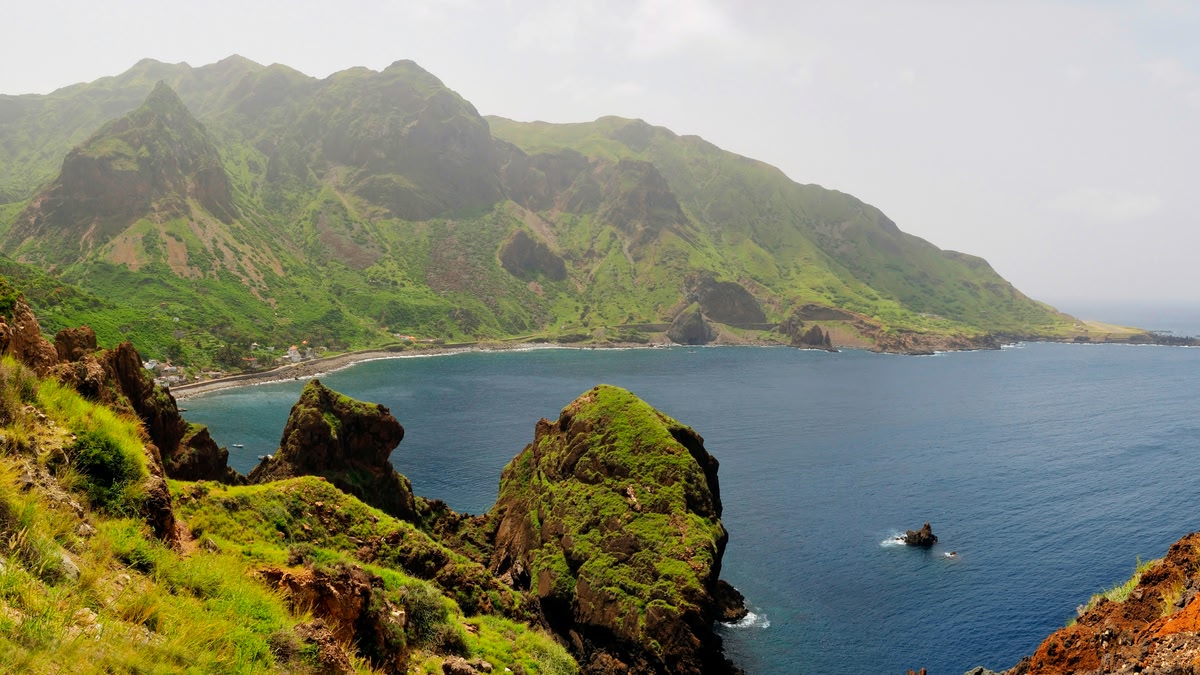
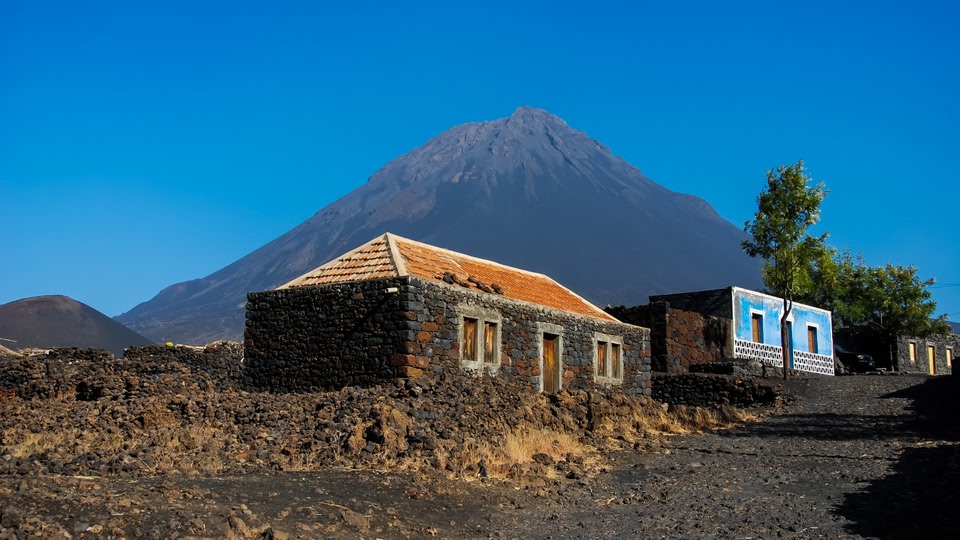
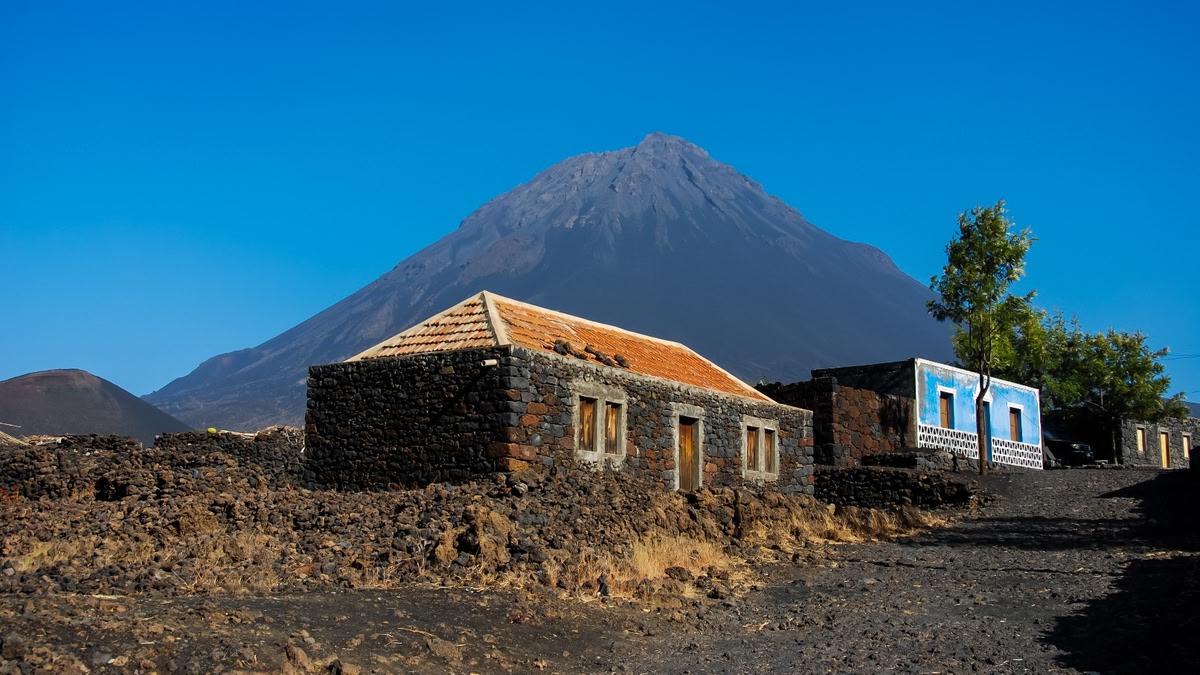
The highest mountain in the country happens to be an active volcano. Located on the island of Fogo, Pico do Fogo last erupted in 2014. Hiking its peak is just one of the best things to do in Cape Verde. Tours run for about seven hours, and though the climb is challenging, the reward is the otherworldly moonscape view.
Swim the salt lake
On the aptly named island of Sal (‘salt’ in Portuguese), you’ll find the Pedra de Lume salt pans. The area served as a salt mine for about 200 years but is now a day-trip destination for active travellers. Pack your swimsuit — the shallow lake’s high concentration of salt means you can float effortlessly while soaking up the sun.
See a shipwreck
There’s no need to plumb the depths of the ocean floor to witness a shipwreck. On Boa Vista island, Praia de Atalanta boasts the rusty remains of a Spanish cargo ship that ran aground here in the late 1960s. Explore the seaside nature reserve of Costa de Boa Esperanca, then visit the eerie skeleton of the ship at sunset for Instagram gold.
Things to do in Cape Verde
Top attractions
The São Filipe Royal Fortress towers over Cidade Velha, Cape Verde’s oldest settlement. You don’t need to be a mountaineer to enjoy Pico do Fogo — on a clear day, its dramatic profile is visible from Brava and Santiago. On Boa Vista, the abandoned fishing village of Curral Velho now shelters sea turtles and wild birds.
Beaches
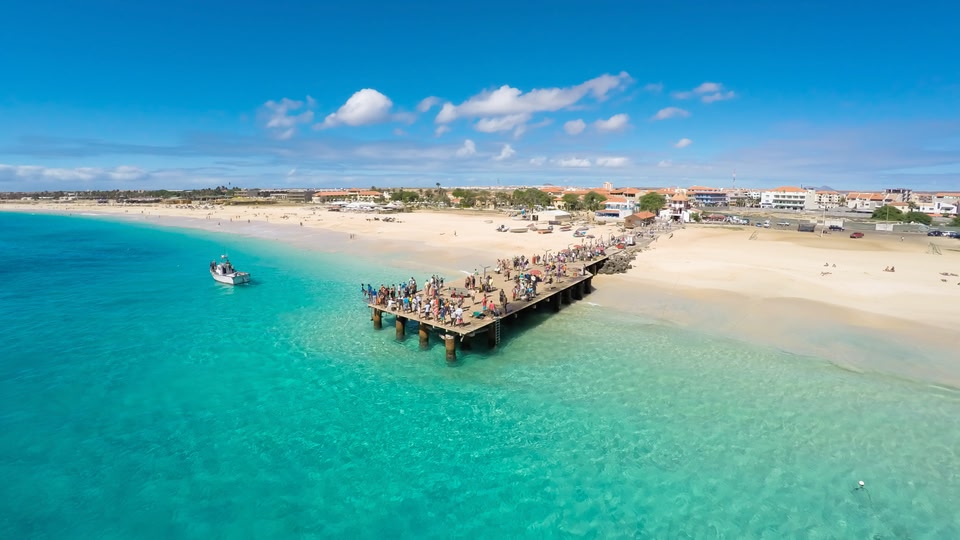
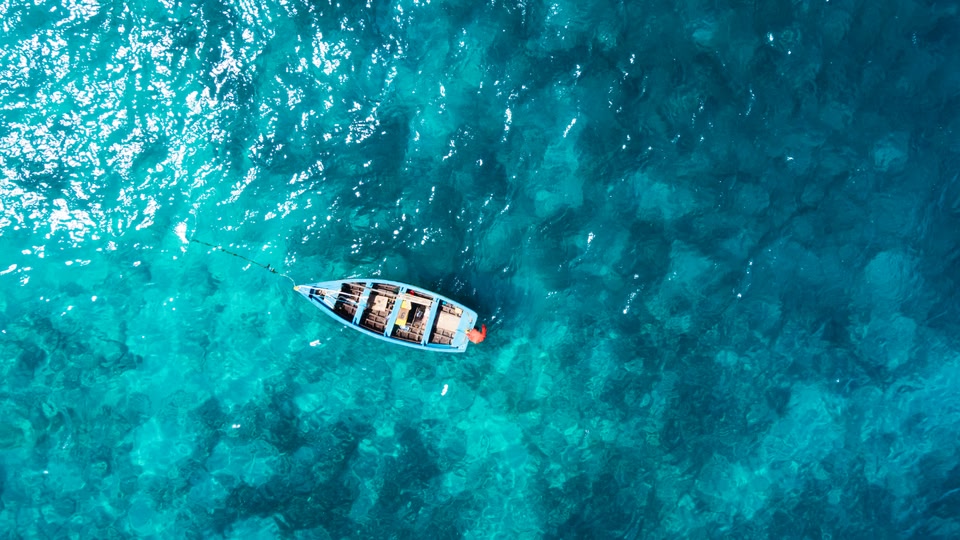
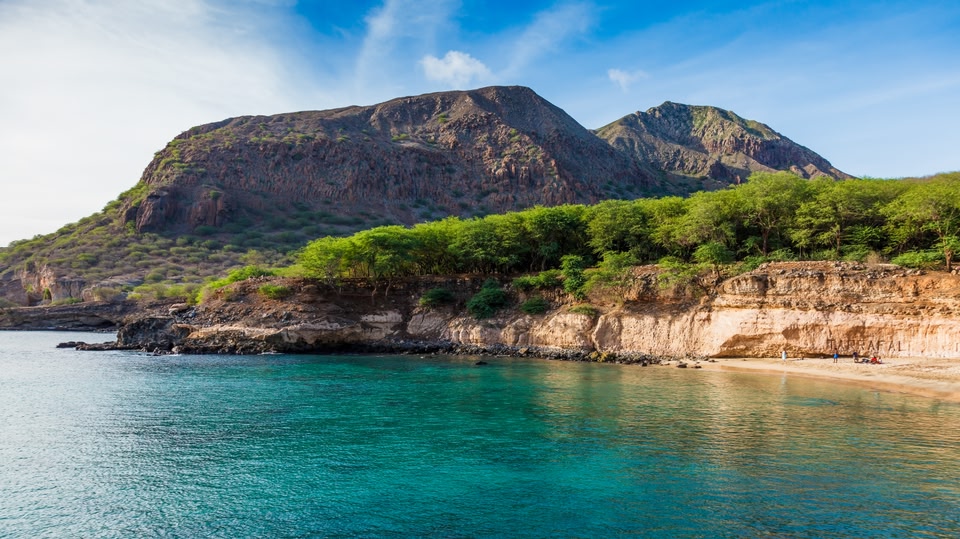
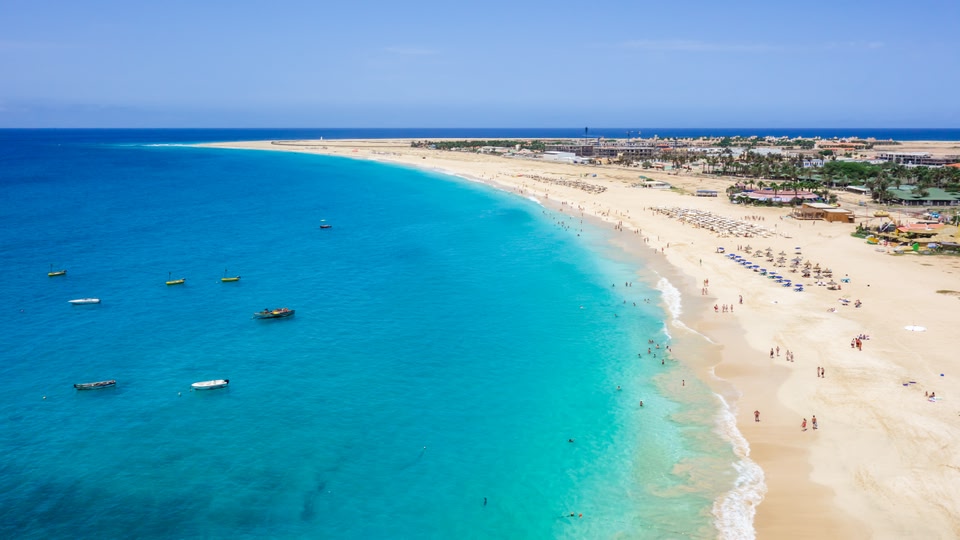
Finding a great beach in Cape Verde is easy. Sugar-white sand and clear blue waters are par for the course. If you’re craving Caribbean-style resort vibes, head to Santa Maria in Sal. For more rugged and remote fun in the sun, check out Praia de Chaves on Boa Vista. Tired of playing tourist? São Vicente has a solid beach and a busy fish market.
Nature
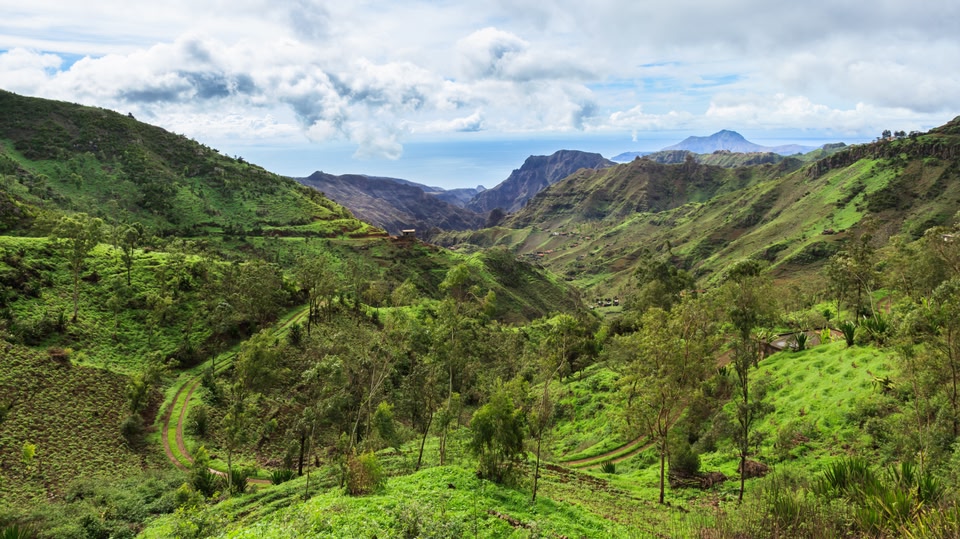
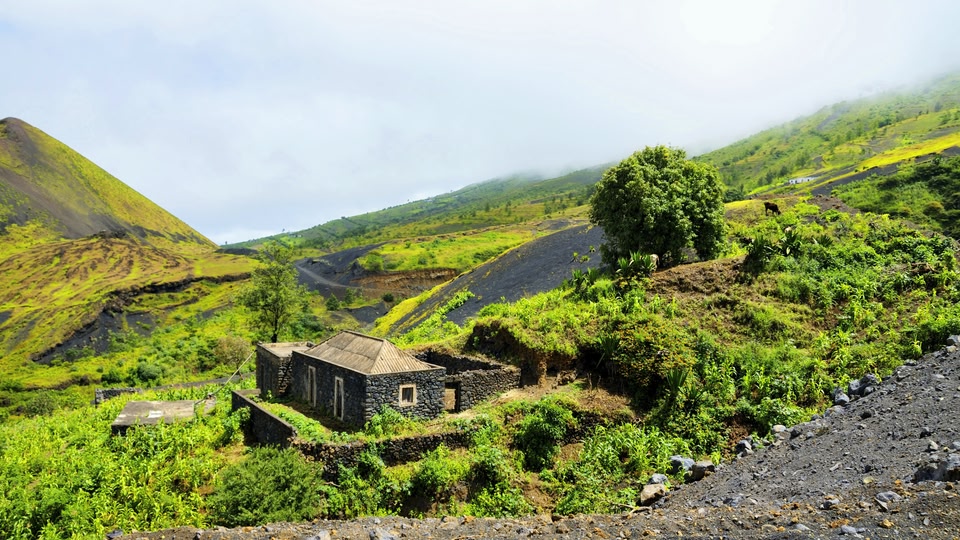
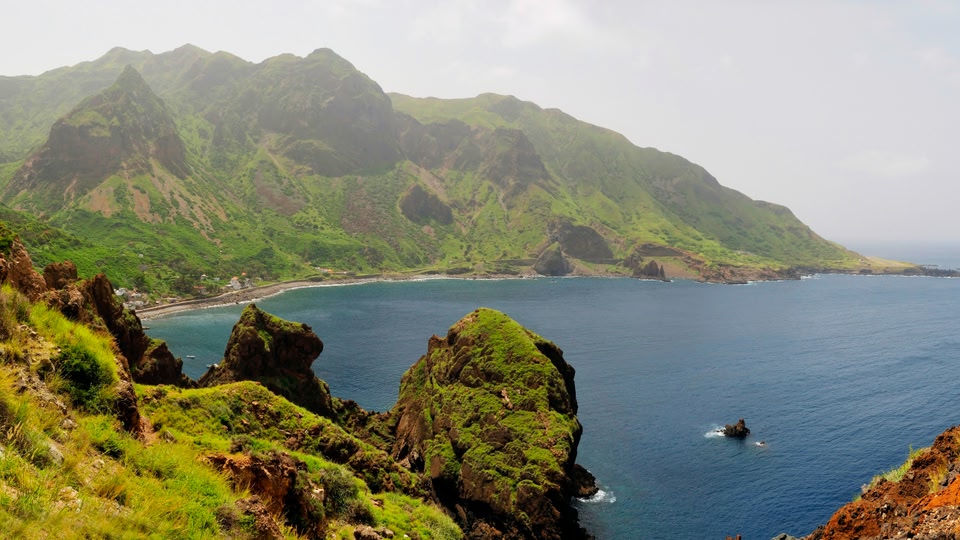
The island of Santo Antão offers a vast range of landscapes to explore. The hiking trails show them all off to breathtaking effect, from canyons and calderas to grassy green valleys and colourful villages built right into the mountainside. In the island’s north, trek the terraced slopes of Paúl Valley through sugarcane fields and farmland.
Culture and museums
Some of the best museums in Cape Verde honour the archipelago’s anthropology. Museu dos Naufragos in Sal Rei is among the favourites. This ‘museum of castaways’ celebrates Cape Verde’s history with its three levels. The lowest contains the ruins of a shipwreck, the first floor tells the story of its people and the top level spotlights a lush garden and contemporary art.
Cuisine
The restaurants in Cape Verde reveal a full spectrum of dining experiences, from fine-dining feasts and rustic local eateries to beach shack bars. The cuisine here is long on seafood options and heavily influenced by West African and Portuguese cooking. Don’t leave without tucking into a plate of ‘cachupa rica’, a rich stew of hominy, sausage and beef.
Family friendly
The calm waters and sandy beaches on Sal are perfect for families. Admire the dozens of colourful kites flying above Kite Beach, or watch young lemon sharks swim around Shark Bay. Take a dune buggy tour around the Morro de Areia desert on Boa Vista. The colourful murals of Galeria de Arte Tutu Sousa are just a taste of Praia’s fascinating street art.
Find the best time to visit Cape Verde
Weather in Cape Verde
March – May: Spring is the sunniest time of year in Cape Verde. Temperatures usually hover in the mid-20s°C. It’s an excellent time for hiking or relaxing on the beach, where the water is also warm.
June – August: Late summer is the rainy season, but expect more afternoon showers than torrential downpours. Temperatures rarely rise above 30°C. Dust storms sometimes hang over the beach.
September – November: September is the hottest and rainiest month of the year. Occasional tropical storms can develop off the coast of the islands in September and October.
December – February: Trade winds bring a cool breeze to Cape Verde, making winter the perfect time of year for kitesurfing. The water stays warm enough for swimming all season long.
Events in Cape Verde
Carnival (January to February): The streets of Mindelo burst with colour and music during Carnival. You’ll find parades and celebrations almost every Sunday in January. But the Shrove Tuesday parade is the main event, with its elaborate floats and dances.
Gamboa Music Festival (May): Praia comes alive with the rhythms of Cape Verdean music during this three-day festival. Dance along to uniquely Cape Verdean sounds like morna and coladeira, plus reggae, hip-hop and world beats.
São João Festival (June): The feast of Saint John the Baptist is one of the biggest events of the year in Santo Antão. The community comes together in Porto Novo for dancing and traditional treats like fried ‘pastéis’.
Know before you go
Getting around Cape Verde
Public transportation
Buses: Bigger towns like Mindelo and Praia have public buses, but most people travel between cities by ‘alugueres’ — shared minibuses that run set routes. It’s easy to flag one down. Fares are very affordable and usually based on distance.
Boats: CV Interilhas runs most ferries between the islands. Some routes only sail a few times a week, and trips can be long (up to 24 hours), with rough seas. The route between São Vicente and Santo Antão is the most frequent and reliable. Brava and Santo Antão are only reachable by boat.
Domestic flights
In general, flying is the most reliable and efficient way to island-hop. Most domestic routes take under an hour. Cabo Verde Airlines offers daily flights to the larger islands and a few flights to less-populated islands a few times a week. Book tickets in advance for the best rates.
Driving
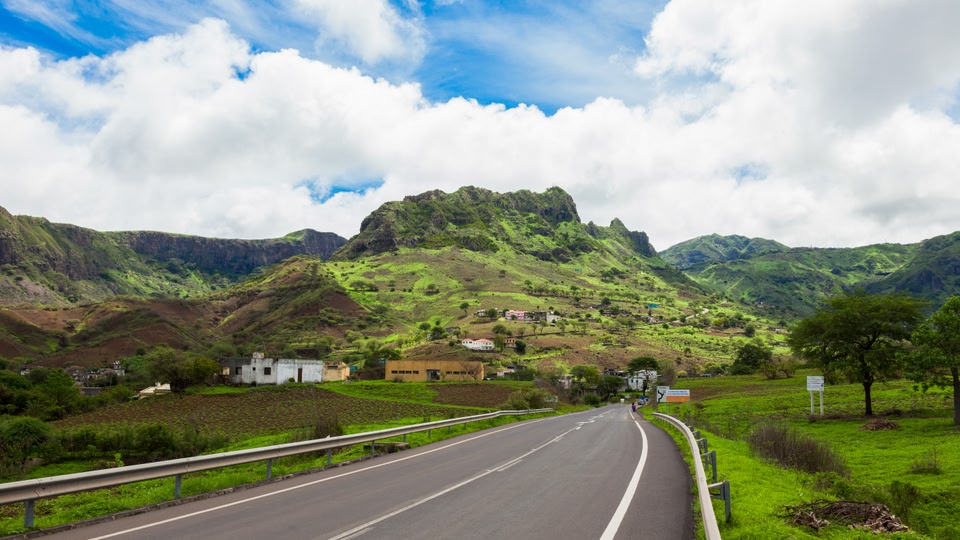
Many of the rural roads in Cape Verde are not very well maintained, and the islands are small enough that hiring a car isn’t really worth it. If you want to explore off the beaten track, consider hiring a guide with a 4x4.


