Your guide to Kilimanjaro
Kilimanjaro: fast facts
| Language | Swahili, English |
|---|---|
| Currency | Tanzanian shilling (TSh) |
| Time zone | Moshi - UTC+3 (EAT) |
| High season | January – March; June – October |
| Low season | April – May; November |
Kilimanjaro highlights
Climb Mount Kilimanjaro
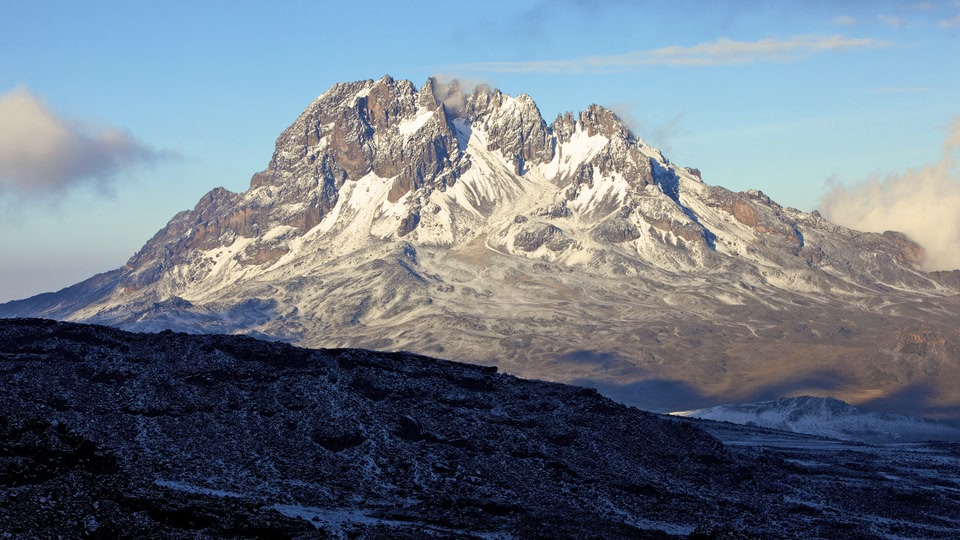
Adventure seekers will want to climb Mount Kilimanjaro — or at least a portion of it. Standing at 5,895 metres, this dormant volcano is the world’s largest free-standing mountain. Choose from guided treks that last five to 10 days. While suitable for first-time climbers, you should make sure you’re physically fit and have the right gear before tackling the trek.
Explore the lakes
Besides trekking the region’s namesake mountain, one of the best things to do in Kilimanjaro is to explore the pristine lakes on the Tanzania–Kenya border. With its crystal clear waters, Lake Chala is a popular spot for water sports like swimming, canoeing and fishing. And Lake Jipe invites boat trips out on the water for hippo and crocodile sightings.
Spot wild animals
The Kilimanjaro region is teeming with wildlife. Spot blue monkeys around Big Forest Camp on the Lemosho Route up Mount Kilimanjaro. And keep your eyes peeled for elephants along the Rongai Route on the mountain’s northern side. Away from the mountain trails, the Rau Forest Reserve is home to dozens of mammal and bird species, including warthogs, dik-diks and African spoonbills.

Things to do in Kilimanjaro
Top attractions
The mighty Mount Kilimanjaro is the region’s top attraction — but it’s not just for hiking. For a challenge, try cycling up the Kilema Route or paragliding from the summit. Take a plunge in the cooling waters of Materuni Waterfall, accessed via a scenic 45-minute walking trail (a guide is recommended). Or go on safari through Mkomazi National Park to see rhinos, giraffes and lions.
Beaches
Although Kilimanjaro has no beaches, you can’t beat swimming in the healing waters of Kikuletwa Hot Springs after a few days of hiking. Lake Chala is another popular day trip from Moshi. This crater lake was formed by a volcanic event some 250,000 years ago, making it a popular destination for swimming, hiking, kayaking and birdwatching.
Nature
Kilimanjaro National Park and its famous mountain may be the headline attractions, but there are plenty more natural wonders to discover in the region. Hike through coffee and banana farms to the Materuni Waterfall and discover various bird and tree species in the Rau Forest Reserve. For one of the area’s most beautiful swimming holes, spend a day relaxing at the Kikuletwa Hot Springs.
Cuisine
Expect some restaurants in Kilimanjaro to serve authentic Tanzanian cuisine, including dishes like ‘machalari’ (banana and beef coconut stew), ‘ugali’ (cornmeal porridge) and ‘supu ya ndizi’ (plantain soup). If you’re trekking up Mount Kilimanjaro, you’ll likely be eating foods rich in carbohydrates to fuel your body with energy for the journey.
Culture and museums
While there aren’t a ton of museums in Kilimanjaro, you’ll still find opportunities to learn about the region and its diverse cultures. Get to know the Chagga people and their rich traditions at the Chagga Museum in Marangu. And experience life among the Maasai people at the Olpopongi Maasai Cultural Village & Museum.
Nightlife
The nightlife in Kilimanjaro is pretty low-key and concentrated mainly in Moshi, the base for many mountain treks. Start with a sunset drink at a rooftop lounge, then head to a local pub, karaoke bar or dance hall. Just outside the region, Arusha has a few great spots where you can listen to live music and drink traditional ‘mbege’ (fermented banana beer).
Find the best time to visit Kilimanjaro
Weather in Kilimanjaro through the year
January – March: Expect minimal rainfall and highs in the low 20s°C at the base of Mount Kilimanjaro. January, February and early March are ideal for summit treks.
April – May: The long rainy season usually starts in late March, bringing heavy rains and snowstorms. Although climbing conditions aren’t ideal, you’ll get thinner crowds and lower prices.
June – October: With clear skies, pleasant temperatures and very little rain, this is the best time to climb Mount Kilimanjaro. But be ready for peak season prices.
November – December: The short rainy season brings brief, sharp showers, which usually clear up from mid-to-late December. Snowfall can occur, which makes for spectacular climbing but might obscure views.
Events in Kilimanjaro
Kilimanjaro Trails Festival (February): Head to Simba Farm for this weekend of outdoor fun, complete with marathons, mountain bike races, live music and food stalls.
Kilimanjaro Marathon (March): Kilimanjaro is one of the coolest places on earth to run (or watch) a marathon. Alongside the flagship event, there’s a half-marathon and a 5km fun run. Routes circle the foothills of Kilimanjaro rather than scaling the summit, so elevation gain is modest.
Kilimanjaro Film Festival (July): Check out this diverse showcase of cinema from Africa and its diaspora, with awards for feature, documentary and animated films. Catch screenings and award ceremonies at John Shule Park in Moshi.
Know before you go
Budget
Visiting Kilimanjaro on a budget may be tricky, but careful budgeting can help keep costs down. A simple meal generally costs around 8,000 Tanzanian shillings (Sh). And you’ll need to factor in costs for guides, porters and park fees. Good travel insurance is needed to climb Mount Kilimanjaro, which isn’t something to cut costs on.
Health and safety
Most advisories recommend getting hepatitis A, tetanus and typhoid shots before travelling to Tanzania. If you plan to climb Mount Kilimanjaro, altitude sickness is a significant risk. Pick a route with gradual ascent and acclimatisation days. And be sure your tour operator follows safety precautions like bringing extra oxygen and performing daily health checks.
Free things to do
Wander Moshi’s historic streets for free, where ancient Chagga heritage meets lively markets, Swahili eateries and a vibrant coffee culture. For stunning Kilimanjaro views, visit the Shanty Town neighbourhood. Nearby villages like Marangu and Materuni are also free to explore independently, offering authentic glimpses of local life without tour costs.
Family friendly
Many tour operators allow kids over 12 to summit Mount Kilimanjaro. Pick one with experience guiding families, and ensure kids are well prepared by doing a few practice hikes. Alternatively, try the shorter 12-kilometre Marangu Route to Mandara Hut. For a family-friendly day out, visit Materuni Waterfalls and Materuni village, where you can learn how the local Chagga people live.

Getting around Kilimanjaro
Public transport
Buses: A few private companies, including Kilimanjaro Express and Impala Shuttle, offer bus services linking Moshi with Arusha and Dar es Salaam.
Trains: While regional rail services are limited, the state-owned Tanzania Railway Corporation (TRC) offers two weekly departures between Dar es Salaam and Moshi. The journey takes around eight hours.
Taxis: Taxis and rideshare services operate in Moshi, and they’re a good way to travel around town or to the airport. Most taxis aren’t metered, so agree on the price beforehand.
Domestic flights
The region’s only airport is Kilimanjaro International Airport, located between Arusha and Moshi. While some international routes fly directly here, you may need to connect through one of Tanzania’s other hubs, such as Zanzibar or Dar es Salaam.
Driving and car hire
The main highways in northern Tanzania are well paved and in good condition. Opt for a 4x4 vehicle to navigate gravel roads. And remember that speed limits are in kilometres per hour and people drive on the left. If you want the freedom of having your own vehicle without the stress of driving unfamiliar roads, consider paying for a driver-guide.


