Your guide to Azores
Top destinations in Azores
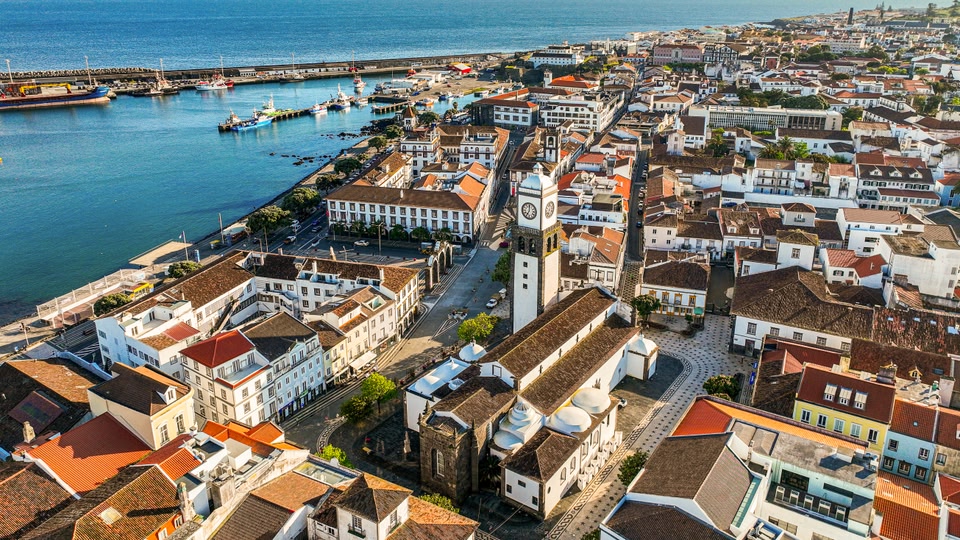
Ponta Delgada
Start your Azores trip in its beautiful harbourside capital, renowned for its striking churches, pineapple plantations and cobbled streets lined with colourful buildings.

Horta
Cradled by rolling green hills, this Azorean port city combines bustling markets with stunning nature escapes and local seafood dishes you’ll never forget.
Azores: fast facts
| Language | Portuguese |
|---|---|
| Currency | Euro (€) |
| Time zone | Ponta Delgada - UTC−1 (AZOT) and UTC+0 (AZOST) |
| High season | June – September |
| Low season | November – March |
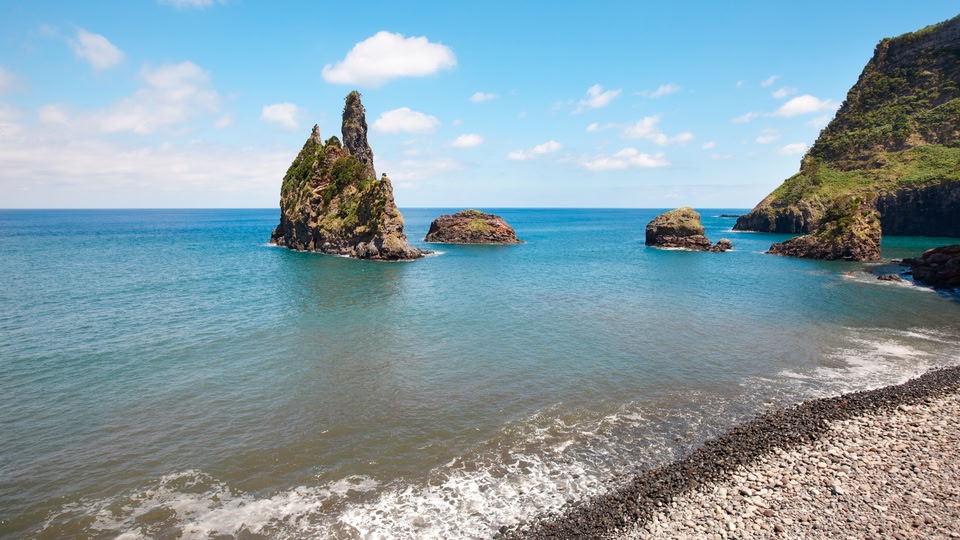
Azores highlights
Move your legs
Take in spectacular views over Sete Cidades’ blue and green lakes from the Mata do Canário trail on São Miguel Island. Or tackle one of the Azores’ most famous walking routes, the PR01 SJO on São Jorge. Hiking boots and poles are generally necessary for these steep and often slippery trails. You’ll also want to pack waterproofs in case of unpredictable weather.
Go wine tasting
One of the best things to do in the Azores is explore Pico Island’s UNESCO-listed wine country. With lava-rich soils, the island’s vineyards have been producing sought-after wines for over 500 years. Book a tasting tour to make the most of the region’s white wines, made from arinto, verdelho and terrantez do pico grapes.
Get on the water
The Azores’ rich marine biodiversity makes for awesome aquatic adventures. Visit between April and October for whale- and dolphin-watching tours. Or spot whale sharks and giant manta rays while scuba diving around Santa Maria Island. Kayaking is also a popular way of exploring the local marine life, especially around Terceira Island.

Things to do in Azores
Top attractions
Paddle across Sete Cidades’ emerald and turquoise lakes and hike the caldera rim for lake views framed by volcanic cliffs. In Terra Nostra Park, sink into iron-rich hot pools surrounded by botanical gardens. Feeling thirsty? A visit to Criação Velha’s UNESCO-listed vineyards on the island of Pico is the best way to uncork the beauty of the Azores’ wine country.
Beaches
The Azores are better known for their rocky shores than their sandy stretches, but you’ll still find plenty of spots to enjoy a dip in the sea. Watch the fiery sunset from Flores Island’s black-sand Fajã Grande beach. Or snorkel in São Jorge’s turquoise Poça Simão Dias natural swimming pool. Keen to surf? Head to Praia dos Mosteiros on São Miguel’s west coast.
Nature
Admire the volcanic lakes of Sete Cidades, and discover São Miguel Island’s sprawling tea plantations. Terra Nostra Park is known for its relaxing thermal pools, which are ideal for those looking for a wellness trip. Visiting Flores Island? Expect cascading waterfalls, crystal-clear natural swimming pools and the impressive Rocha dos Bordões viewing point.
Cuisine
It’s no surprise that this nine-island archipelago is famous for its seafood. But restaurants in the Azores aren’t limited to fresh fish. Try ‘cozido das Furnas’, a meat and vegetable stew slow-cooked in volcanic soil, and sample the famous local São Jorge Cheese. Have a sweet tooth? Treat yourself to some hot ‘malassadas’, fried doughnuts sprinkled with sugar.
Culture and museums
Between natural adventures, take some time to explore the museums in the Azores. Learn about the region’s volcanic formations at the Capelinhos Volcano Interpretation Centre on Faial Island. And learn about the largest mammals on Earth at Pico Island’s Whalers Museum. To uncork the history of Azorean wine, plan a visit to Pico Island’s Wine Museum.
Nightlife
Some of the best nightlife in the Azores is in Ponta Delgada on São Miguel Island, home to a collection of bars and music venues. And on Terceira Island, Angra do Heroísmo is all about laid-back taverns. If you’re visiting Faial Island, try Horta’s oceanfront bars, where yacht crews swap stories over the sound of local bands playing late into the night.
Find the best time to visit Azores
Weather in Azores through the year
March – May: Spring in the Azores brings mild temperatures and a mix of sunshine and showers. It’s a good season for hiking and whale watching.
June – September: Summers are warm with highs around 25°C. With calm seas and frequent ferry services, it’s the best time for swimming, boating and island-hopping.
October – November: Temperatures remain comfortable, and the sea stays warm enough for late-season swims. Rain showers are more frequent, so pack layers and waterproofs.
December – February: Winters are mild, but expect wind and rain. Storms can disrupt inter-island ferries and flights, so allow for some flexibility in your itinerary. It’s a quieter time to visit, ideal for scenic drives and soaking in thermal springs.
Events in Azores
Sanjoaninas (June): Angra do Heroísmo comes alive with parades, concerts and local food stalls during this 10-day celebration of Saint John.
Monte Verde Festival (August): Held in Ribeira Grande on São Miguel against the backdrop of Monte Verde Beach, this open-air music festival features headlining international performances and homegrown Portuguese acts.
Semana do Mar (August): In Horta on Faial, Sea Week celebrates maritime culture with yacht regattas, whaleboat races, concerts, parades and fireworks along the harbour.
Grape Harvest Festival (September): Pico Island celebrates its long history of winemaking with music, tastings and cultural activities in the UNESCO-listed vineyards along the island’s coast. It’s a good time to sample traditional verdelho wine.
Know before you go
Budget
An affordable stay in the Azores is doable, especially during the low season between October and April. When budgeting, expect to pay under 10 euros (€) for an inexpensive meal and less than €2 for a local beer. Catching a taxi for a short ride will set you back around €6.
Health and safety
The Azores’ volcanic terrain means hiking trails can be steep and uneven. Exercise caution and be sure to wear sturdy shoes when tackling them. Sudden weather shifts, especially on higher peaks like Pico Mountain, can cause dizziness and mild altitude sickness — stay hydrated and take regular breaks. Jellyfish sometimes drift near the shores, so always check local warnings before swimming or snorkelling.
Free things to do
Visit São Miguel’s Gorreana Tea Factory — Europe’s oldest tea plantation — to sample fresh brews and see historic machinery in action. For crater lake views without Sete Cidades’ crowds, hike the trail up to Lagoa do Fogo. On São Jorge Island, the natural pools at Poça Simão Dias offer perfectly blue waters for swimming against a picturesque backdrop of black basalt cliffs.
Family friendly
Nothing matches the thrill of spotting whales on a boat tour around São Miguel or Pico islands. In the outskirts of Ponta Delgada, head to the Arruda Pineapple Plantation to learn about the spiky fruit and sample fresh produce. Feeling adventurous? Gruta do Carvão offers a peek into the island’s volcanic past with guided tours through its ancient lava tunnel.

Getting around Azores
Public transport
Buses: Each island has its own bus system, mostly aimed at locals, with limited weekend service and schedules that revolve around school and workdays. Private coaches also help fill in some routes for easier access to popular spots on São Miguel and Terceira.
Boats: Atlânticoline is the Azores’ only ferry operator connecting the islands. Year-round and seasonal routes are available, though schedules may vary by season. You’ll find that most harbours are close to town or linked by local buses for easy access. Always check the latest schedules on Atlânticoline’s official website before travelling, as timings can change.
Domestic flights
Domestic flights are often the fastest way to travel between the Azores’ nine islands. SATA Air Açores operates regular year-round services, with the busiest routes connecting São Miguel, Terceira and Faial. Flights are usually short but can fill up quickly during the summer, so try to book well in advance.
Driving and car hire
Roads are generally well maintained, though they can be narrow and winding on islands like São Miguel and Flores. The EN1-1A coastal road on São Miguel offers gorgeous views past lagoons, cliffs and farmland. Be prepared for sudden fog, especially when driving at higher elevations.


