Your guide to Andalusia
Top destinations in Andalusia
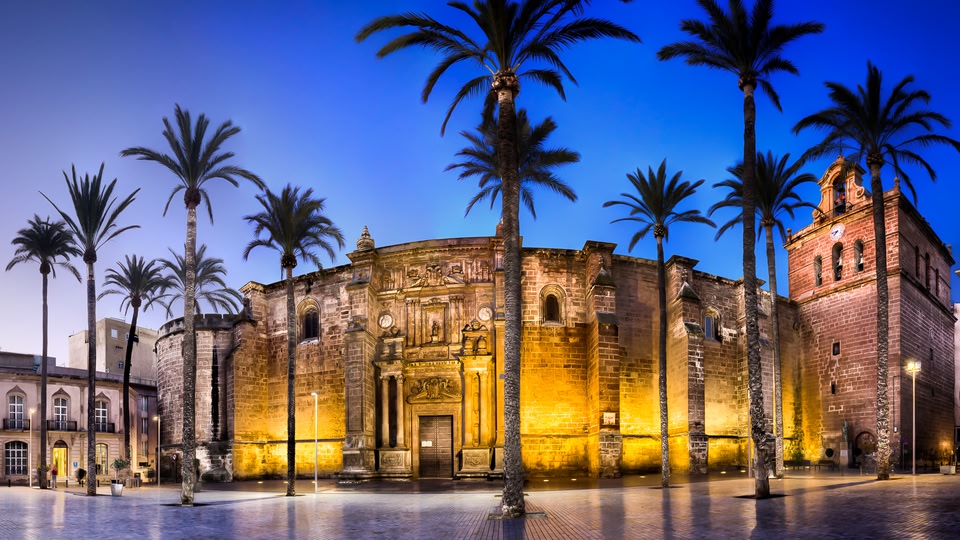
Almeria
Often overlooked, Almeria sits between the Mediterranean and the Tabernas Desert, with natural parks, quiet beaches and a calendar of flamenco festivals under year-round sunshine.
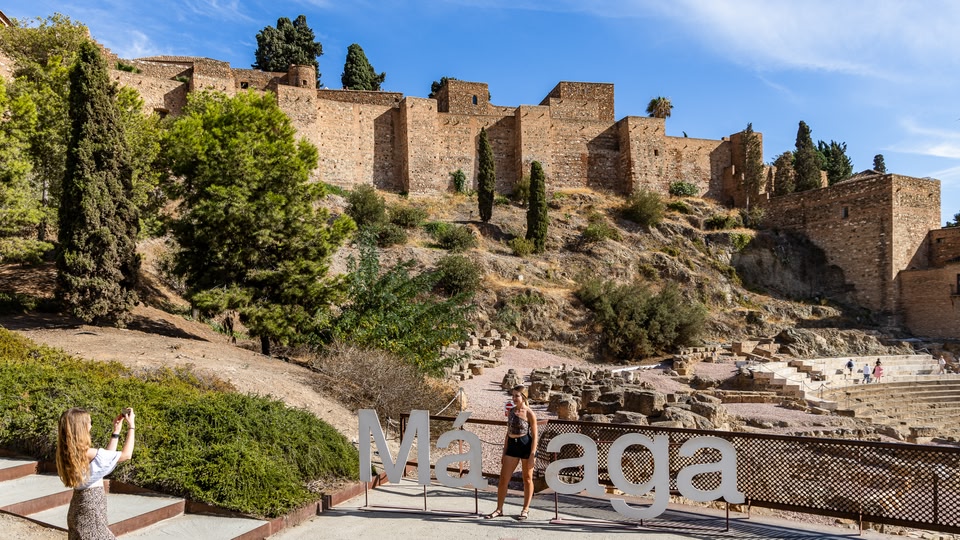
Málaga
History and modern energy meet in Málaga, where Phoenician roots, tapas bars and Michelin-starred dining pair with epic hikes, including the dramatic Caminito del Rey trail.
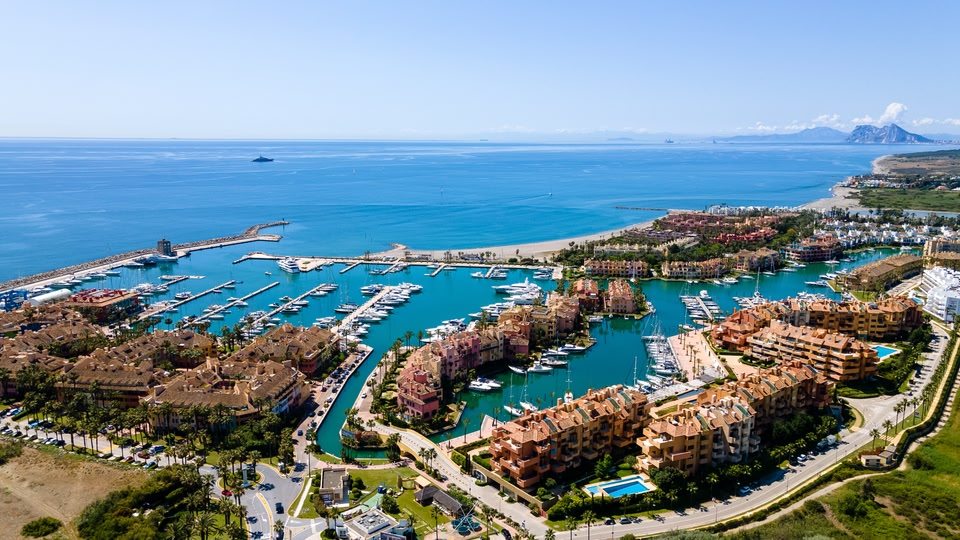
Sotogrande
Sotogrande moves at its own pace, with golf courses, a lively marina and long beach days shaping life in one of southern Spain’s more quietly upscale corners.
Andalusia: fast facts
| Language | Spanish |
|---|---|
| Currency | Euro (€) |
| Time zone | UTC+1 (CET) and UTC+2 (CEST) |
| High season | June - September |
| Low season | January - March |
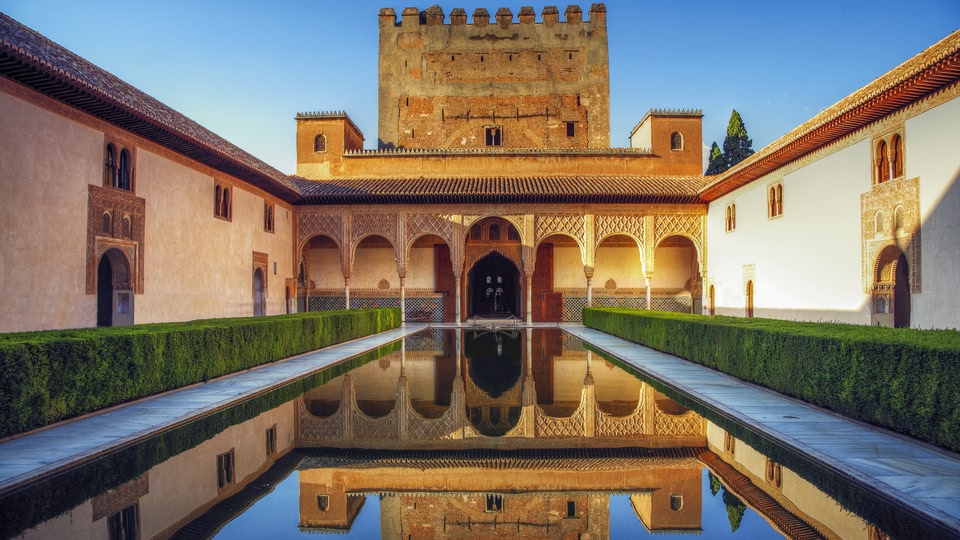
Andalusia highlights
Moorish architecture
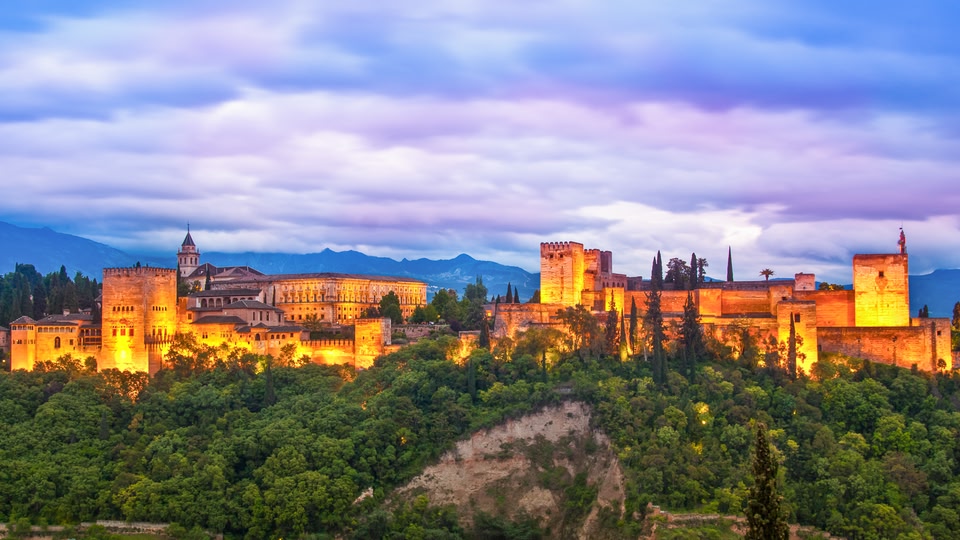
Nearly 800 years of Islamic rule have left Andalusia with a remarkable collection of architecture. The Alhambra fortress palace complex and gardens in Granada, Cordoba’s Mosque–Cathedral and the Giralda tower in Seville are the headline acts, but the Moorish influence turns up everywhere. You’ll see it in ornamental tilework, flower-filled patios and narrow, shaded streets.
Whitewashed villages
Scattered across Andalusia’s mountains are dozens of ‘pueblos blancos’ (white villages), some of the region’s most photogenic spots. They get their name from their whitewashed walls, and from a distance, they resemble sugar cubes clinging to the hillsides. Some of the best known lie between Málaga, Algeciras and Seville, including Grazalema and Arcos de la Frontera.
Tapas culture
People take their food and drink seriously here. Tapas are part of daily life, with small bites such as ‘boquerones en vinagre’ (anchovies marinated in vinegar) served alongside drinks. If you’re visiting Jerez de la Frontera, tour the bodegas of the world’s only official sherry-producing region and sample the fortified wine straight from the barrel.
Things to do in Andalusia
Top attractions
The Alhambra is one of Spain’s most visited monuments for good reason. Perched above Granada and flanked by the Sierra Nevada mountains, this ancient fortress is a sprawling complex of palaces, courtyards and gardens. Cordoba’s Mosque–Cathedral, with its striking interior forest of horseshoe arches, is equally unmissable. Visiting Seville? Explore the Real Alcázar, Europe’s oldest working royal palace.
Beaches
Andalusia’s coastline touches both the Atlantic and the Mediterranean. The Atlantic side is wilder, with long stretches of golden sand and big waves. Head to the beaches of Tarifa for surfing, windsurfing and kitesurfing. On the Mediterranean side, the Costa del Sol is an epic draw, with more than 145 kilometres of beaches and resort towns like Marbella and Fuengirola.
Nature
From the volcanic coastline of Cabo de Gata in Almeria to the cork oak forests of Los Alcornocales in Cádiz, Andalusia takes in a wide range of landscapes. Hike through El Torcal de Antequera, a high-altitude plateau of limestone formations in Málaga. About an hour’s drive away is the Caminito del Rey, a walkway pinned to the walls of a gorge.
Cuisine
Whether you’re in a tapas bar in Seville or overlooking the Mediterranean, the best restaurants in Andalusia share the same obsession with local ingredients. Try ‘gazpacho’ (cold tomato soup with olive oil and garlic), which some say was invented in the region. Add ‘jamón ibérico’ (cured pork leg) from Huelva and fresh ‘pescaito frito’ (fried fish), and you’ve got yourself an Andalusian feast.
Culture and museums
Get your Picasso fix in Málaga by visiting the museum bearing his name, as well as ‘Casa Natal’, the house where he was born. One of the most fascinating museums in Andalusia is the Cádiz Museum, which boasts a collection of Phoenician and Roman artefacts. In Jaén province, the streets of the UNESCO-listed towns of Úbeda and Baeza are lined with 16th-century Renaissance buildings.
Nightlife
In the cities, popular nightlife districts like Granada’s Realejo and Triana in Seville keep going well into the early hours. The Mediterranean coast offers something for everyone, from lively beach clubs and discos to quiet terrace bars with views. For a night at the theatre, Cádiz’s Gran Teatro Falla has a packed programme year-round.
Find the best time to visit Andalusia
Weather
March – May: Wildflowers and almond blossoms carpet the sierras, the festival calendar starts filling up, and spring temperatures are warm across the region. March can have a few rainy days, which may linger into April before skies clear in May.
June – August: Long days and warm seas make summer peak season on the coast. Hotels fill up fast, so it’s a good idea to book early.
September – November: September is warm and largely dry, with conditions similar to summer across much of the region. Cooler temperatures and more frequent rain arrive from October onwards.
December – February: Winter is mild and sunny on the coast and cooler inland. This is a good time to explore the cities without the summer crowds.
Events
Semana Santa (March or April): Easter week transforms many Andalusian streets into seas of candlelight and incense. Elaborately carved floats topped by statues of religious figures are carried in slow-moving processions. Some of the biggest events take place in Seville and Málaga.
Feria de Abril (April or May): Around two weeks after Easter, Seville hosts one of the country’s biggest parties, a six-day celebration of Andalusian culture. Horse-drawn carriages parade through a fairground, women wear traditional dress, and the dancing continues into the small hours.
Vendimia (September): Jerez de la Frontera celebrates the start of the grape harvest with a grape-stomping ceremony, tasting sessions and festivities throughout the city.
Know before you go
Budget
A cheap trip to Andalusia is very doable. Ducking into a bar for your morning coffee will cost you less than two euros (€). For lunch or dinner, a meal at an inexpensive restaurant costs roughly €13. Catching a taxi for a short hop will usually set you back no more than €6.
Free things to do
Andalusia’s three national parks are all free to enter. Doñana is home to eagles and Iberian lynx, the Sierra Nevada has the highest peaks in mainland Spain, while the Sierra de las Nieves is known for its extensive ancient forests. Popping into Cordoba? The eighth-century Mosque–Cathedral has free admission for one hour each morning, Monday to Saturday.
Health & safety
Summer heat can be a major concern in Andalusia. Inland cities like Seville and Cordoba can top 38°C in July and August. So stay hydrated, use plenty of sun cream and plan activities for the cooler mornings or late evenings. If you’re hiking in the Sierra Nevada, pack extra water and check trail conditions before heading out.
Family friendly
Venture deep underground into a subterranean world of stalactites and stalagmites at the Nerja Cave. In the arid and rock-strewn Tabernas desert, explore cowboy-themed parks built around the original sets where stars like Clint Eastwood filmed classic westerns. For white-knuckle rides and a full day of thrills, Seville’s Isla Mágica theme park is hard to beat.
Getting around Andalusia
Public transport
Buses: ALSA’s intercity network covers all eight provinces and large stretches of the Andalusian coast. But there are other companies also offering services across the region, including Avanza, Comes and Socibus.
Trains: You can conveniently zip between several Andalusian cities, such as Seville, Cordoba and Málaga, on Spain’s expanding high-speed rail service. Conventional rail services cover much of the rest of the region, linking smaller towns and cities not on the high-speed network.
Boats: Regular ferries from Tarifa and Algeciras cross to Tangier and the Spanish enclave of Ceuta in 60 to 90 minutes, making that special day trip to North Africa easy to pull off.
Domestic flights
The only scheduled direct commercial flights within Andalusia are between Almería and Seville. Travel between the region’s other major cities is normally done by road or rail.
Driving
The A-92 cuts east to west across Andalusia, linking several major cities, including Seville, Granada and Almería, while the AP-4 runs southwest from Seville to Cádiz. Pining for a ride along the coast? The A-7 is the main highway, covering much of the Mediterranean corridor through Andalusia and beyond.


