Your guide to Canary Islands
Top destinations in Canary Islands

Fuerteventura
Pristine beaches, wine tasting and breathtaking volcano hikes are just some of the things that draw you to Fuerteventura, the second largest of Spain’s Canary Islands.

Gran Canaria
Gran Canaria’s natural wonders are an outdoor adventurer’s dream. Explore lush pine forests and towering rock formations near resort towns designed for leisure and fun.
Tenerife
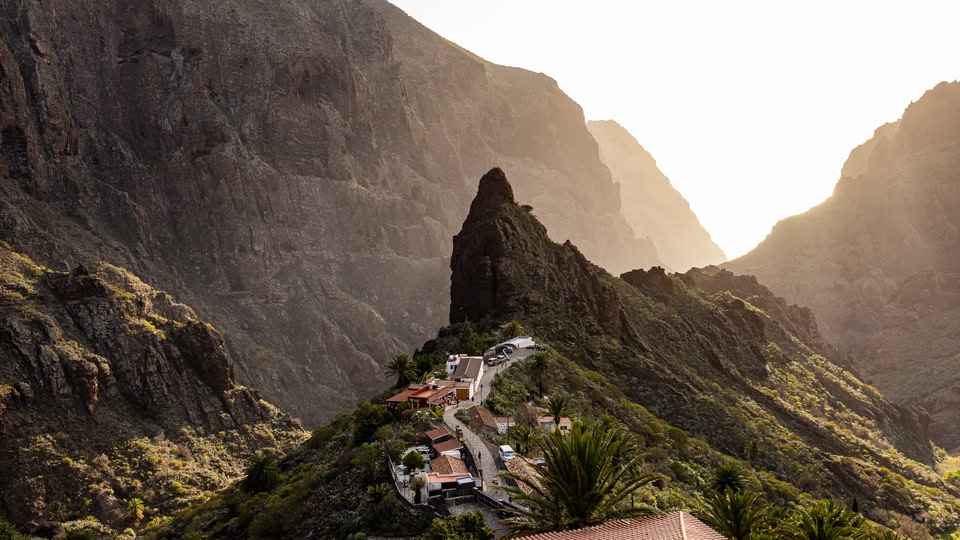
Adventure awaits on the largest of the Canary Islands. From rugged hikes and medieval stone castles to booming beach parties, Tenerife deserves a spot on your European bucket list.
Canary Islands: fast facts
| Language | Spanish |
|---|---|
| Currency | Euro (€) |
| Time zone | Las Palmas - UTC+0 (WET) and UTC+1 (WEST) |
| High season | October – April; July – August |
| Low season | May – June; September |

Canary Islands highlights
Volcanic landscapes
Many of the incredible landscapes here are a result of volcanic eruptions. Look out for ancient calderas, lava fields, conical mountains and underground tunnels. Witness the natural beauty on one of the countless hiking trails on the islands, or ride a cable car up Tenerife’s Mount Teide, Spain’s highest peak. And the lava and magma-carved formations of Timanfaya National Park are something to behold.
Carnival time
Held over 15 days every February or March, the Carnival of Santa Cruz de Tenerife is a colourful celebration of Canarian culture. Expect extravagant parades and street parties with thousands of costumed dancers and lots of live music. Decked out in feathered and sequined costumes that seem to defy gravity, hopefuls compete for the title of ‘Carnival Queen’.
Wine tasting
Canarians have been in the winemaking business since the Spanish arrived in the 15th century. Today, seven of the eight main islands produce wines with volcanic personalities like Malvasia whites and Listán Negro reds. Touring the vineyards and tasting rooms is one of the top things to do in the Canary Islands. Find them everywhere, from Tenerife’s Orotava Valley to the cratered landscapes of Lanzarote.
Things to do in Canary Islands
Top attractions
Teide National Park on Tenerife is an otherworldly landscape where Spain’s tallest peak towers over lava fields and wildflower meadows. On Lanzarote, Jameos del Agua features a turquoise lake and an underground concert hall. And the golden sands of Grandes Playas de Corralejo and Maspalomas highlight the Canary Islands’ unforgettable beach scene.
Beaches
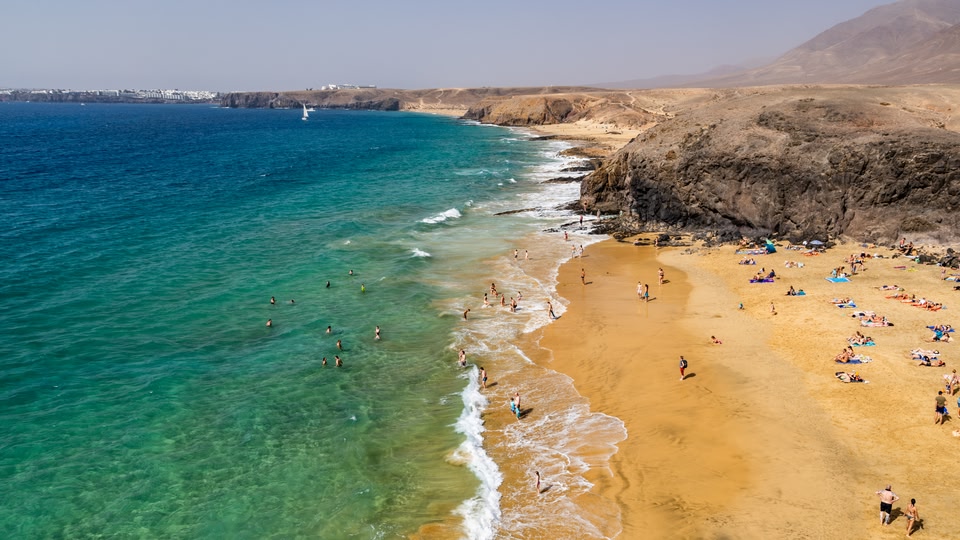
Whether you’re exploring the jet-black shores of Tenerife and La Palma or the golden sands of Fuerteventura, the beaches in the Canary Islands will sweep you off your feet. Join experienced surfers at El Confital Beach to ride barrelling waves. Or enjoy La Graciosa’s postcard-worthy coves like La Cocina and Las Conchas. Lanzarote’s Playa Papagayo is known for its clear waters and snorkelling.
Nature
Between the islands’ sweeping coastlines and volcanic peaks, you’ll find no shortage of natural riches. In Tenerife, Anaga Rural Park is a UNESCO Biosphere Reserve, home to steep mountains, deep ravines and laurel forests. Go sandboarding and hiking at Maspalomas Dunes Nature Reserve in Gran Canaria. Nearby, La Charca saltwater lagoon is a haven for birdlife, with 24 migratory species.
Cuisine
It’s almost impossible to visit a restaurant in the Canary Islands without trying tangy mojo sauces. You’ll usually find two styles — ‘mojo picón’ (red pepper, garlic and spices) and ‘mojo verde’ (a coriander-based sauce) — served with grilled fish, meats and ‘papas arrugadas’ (wrinkly potatoes). Other island classics not to miss are ‘cocido canario’ (meat, chickpea and vegetable stew) and ‘conejo en salmorejo’ (rabbit stew).
Culture and museums
The museums in the Canary Islands showcase everything from modern art to Indigenous culture. In Gran Canaria, learn about the Guanche people at the Museo Canario and the voyages of Christopher Columbus at the Casa de Colón. The César Manrique Foundation in Lanzarote celebrates the life of one of the islands’ most famous artists. Spot submerged sculptures at Museo Atlántico Lanzarote, Europe’s first underwater art museum.
Nightlife
The best nightlife in the Canary Islands happens in the big coastal resorts. In Playa de las Américas on Tenerife and Playa del Inglés on Gran Canaria, beach bars, Irish pubs and clubs keep the party going until sunrise. Over on Fuerteventura, Corralejo’s Music Square draws crowds nightly with open-air concerts and street performances.
Find the best time to visit Canary Islands
Weather in Canary Islands through the year
March – May: Warm weather and little rain are perfect for hiking and outdoor adventures. Aside from the busy Semana Santa (Easter Week), thinner crowds and bigger travel deals make spring one of the best times to visit the Canary Islands.
June – August: Summer is peak season, bringing near-constant sunshine and temperatures in the high 20s°C. Winds from the Sahara can welcome extreme heat and dusty air, especially in Tenerife.
September – November: Comfortable weather and warm sea temps continue well into autumn, extending the beach and hiking seasons. Pack a light jacket for cool evenings.
December – February: Europeans flock to the islands for winter sunshine. This is prime time for big wave surfing.
Events in Canary Islands
Gran Canaria Gloria Windsurf World Cup (July): Windsurfing legends and rising stars gather along the gusty shores of Pozo Izquierdo for one of the premier stops on the PWA World Tour.
Fiesta de la Rama (August): In Agaete, Gran Canaria, locals honour the Virgin of Las Nieves with a colourful rain-dancing tradition. Revellers carry branches through the streets to the beat of drums, followed by a joyful parade led by giant papier-mache figures known as ‘papahuevos’.
Saborea Lanzarote Enogastronomic Festival (November): For two days, top chefs and winemakers take over historic Teguise for a celebration of Lanzarote’s culinary scene and island-grown produce. Enjoy food stands, cooking demos, hands-on workshops and live music.
Know before you go
Budget
With a bit of planning, an affordable visit to the Canary Islands is possible. You’ll usually pay less than 15 euros (€) for an inexpensive meal in most places. Enjoy a local beer for under €3 and a coffee for less than €2. Save on transport costs by choosing hotels within walking distance of the beach.
Health and safety
UV levels are high year-round, even when it’s cloudy and windy, so apply sun cream regularly. Pay attention to warning flags when swimming at beaches, and avoid swimming alone in unguarded areas. If you’re going on a hike, be sure to pack snacks and plenty of water. Though rare, volcanic eruptions can happen — follow guidance from local authorities.
Free things to do
Admire exhibitions of Canarian and European masterpieces for free at the Atlantic Centre of Modern Art in Las Palmas de Gran Canaria. Or roam the giant sand dunes and wild beaches of Fuerteventura’s Corralejo Natural Park. Staying in Santa Cruz de Tenerife? Don’t miss Parque García Sanabria, a lush city garden filled with sculptures, tropical trees and botanical displays.
Family friendly
In Tenerife, Siam Park is Europe’s largest water park, with slides, a wave pool and a lush, Thai-themed setting. In Gran Canaria, Poema del Mar Aquarium showcases crocodiles, exotic fish and sharks. For a nature escape, head to La Gomera’s Garajonay National Park to explore trails through ancient laurel forests.

Getting around Canary Islands
Public transport
Buses: Buses are the most popular way to get around the islands, offering affordable and extensive service. Main operators include Global in Gran Canaria, Tiadhe in Fuerteventura and Titsa in Tenerife, which runs more than 150 routes.
Trains: Tranvía de Tenerife is a light rail system operating two lines around the island’s metropolitan area. It links the cities of Santa Cruz de Tenerife and San Cristóbal de La Laguna.
Boats: Passenger ferries are a convenient option for island hopping, especially between the larger islands. Reliable operators include Fred Olsen, Líneas Romero and Naviera Armas, with frequent daily crossings.
Domestic flights
For a quick, convenient way to travel the islands without long, bumpy ferry rides, consider booking a flight. Binter Canarias, Canaryfly and Air Europa are the main domestic airlines, with regular routes between all eight islands.
Driving and car hire
Cars drive on the right in the Canary Islands, and your driving licence must be with you at all times. Flashing amber lights signal speed checks, so stick to the limit. For unforgettable road trips, wind through dramatic mountain routes like Gran Canaria’s GC-210 or Tenerife’s twisting TF-436 in the Macizo de Teno.


