Galicia holidays
Holidays to Galicia can feel like a baptism in the waters of northern Spain. The raging Atlantic breaks on wild beaches here, and countless rivers course through the landscape like veins. Then there’s the drenching rain that can strike without warning. But getting wet is just half the fun. This underexplored ‘land at the end of the world’ is also a treat for foodies, archaeology buffs and nature lovers.
Top destinations in Galicia
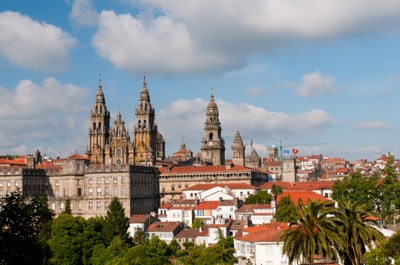
Santiago de Compostela
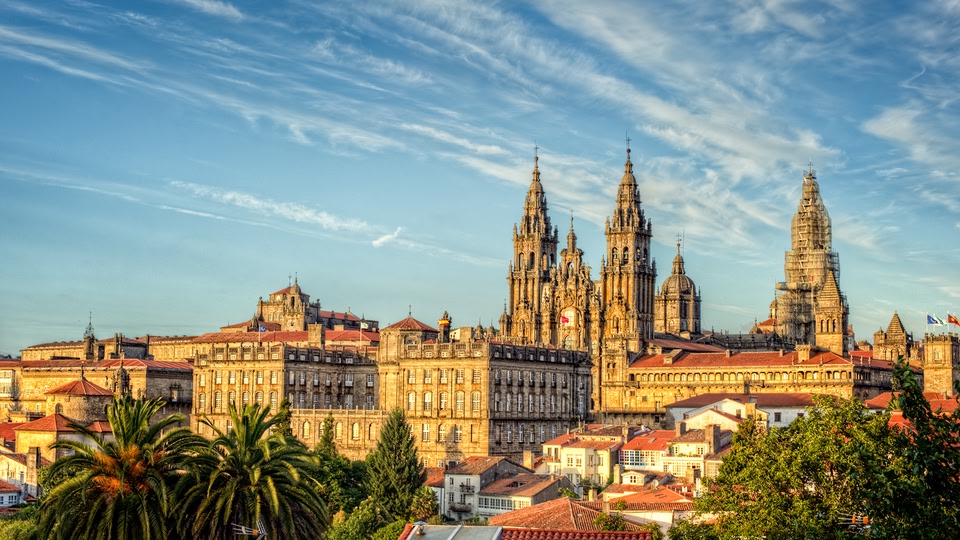
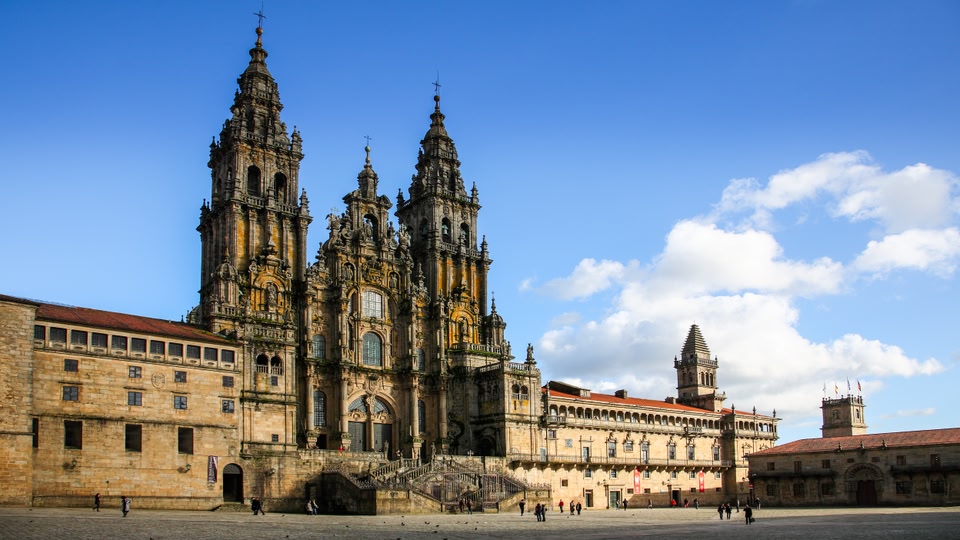
The endpoint of a legendary pilgrimage through Spain, Santiago de Compostela combines spiritual sites with cutting-edge galleries, fine-dining restaurants and traditional markets.
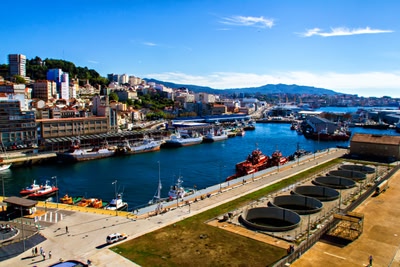
Vigo
Whether you’re admiring the city from its hilltop park, wandering along the harbour or watching the world go by in a historic square, Vigo is charming from all angles.
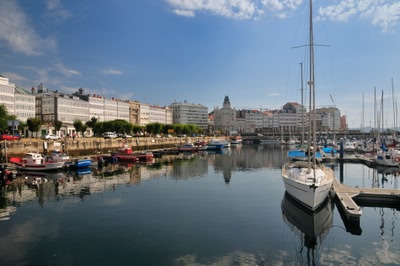
A Coruña
With a Roman lighthouse, a medieval old town and several Baroque churches, Galicia’s ‘City of Hercules’ lets you time travel through thousands of years of history.
Galicia: fast facts
Language
Galician, Spanish
Currency
Euro (€)
Time zone
A Coruña - UTC+1 (CET) and UTC+2 (CEST)
High season
June – September
Low season
November – March
Galicia holiday highlights
Take an epic walk
Walking the Camino de Santiago is one of the best things to do in Galicia. Some half a million pilgrims walk a section of the route each year. The Galician portion runs between 96 and 129 kilometres. It ends at the spectacular Cathedral of Santiago de Compostela, an 11th-century Romanesque basilica said to be the final resting place of Saint James the Apostle.
Learn about Celtic culture
Galicians trace their origins to the ancient Celts, who settled the area in the 1st millennium BC before sailing for what is now the British Isles. You can still hear traces of Celtic influence in the local language and music, which features a bagpipe instrument called the ‘gaita’. The Festival Ortigueira celebrates Celtic music in A Coruña each July.
Taste the local wine
Galicians are fortunate that their local wine — a minerally white called albariño — also happens to be one of the finest wines in Europe. Nearly 200 wineries are clustered in the area known as Rias Baixas. The citrusy wine has notes of sea salt, making it a perfect pairing with the seafood and shellfish that define Galician cuisine.
Things to do in Galicia
Top attractions
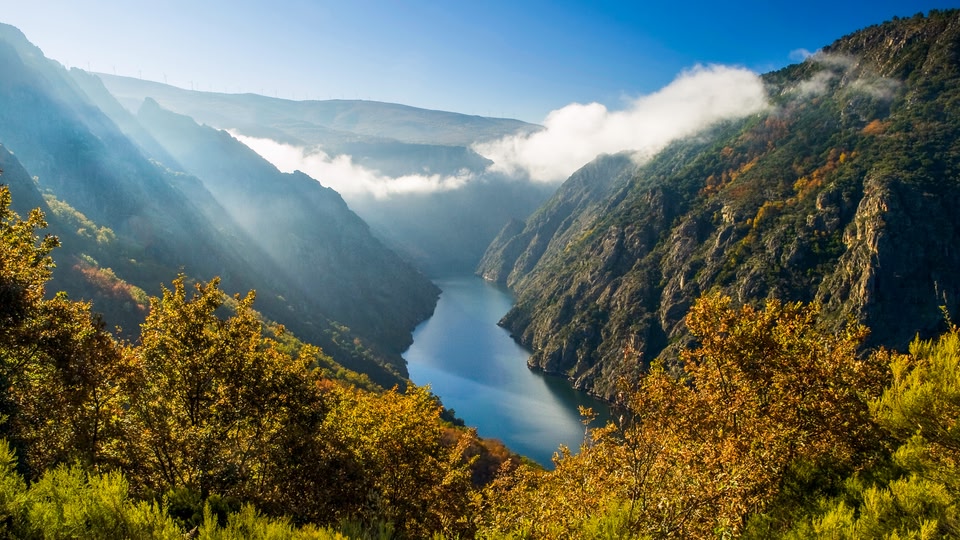
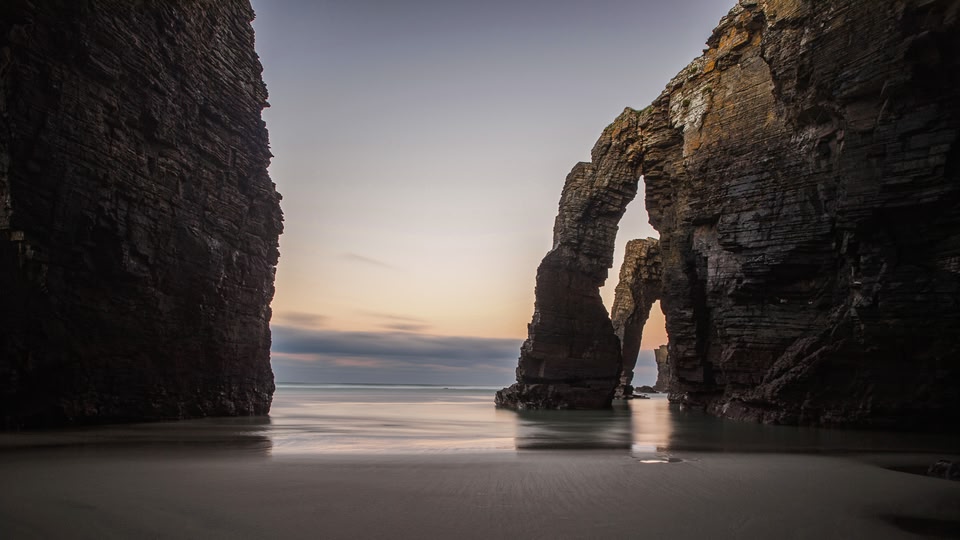
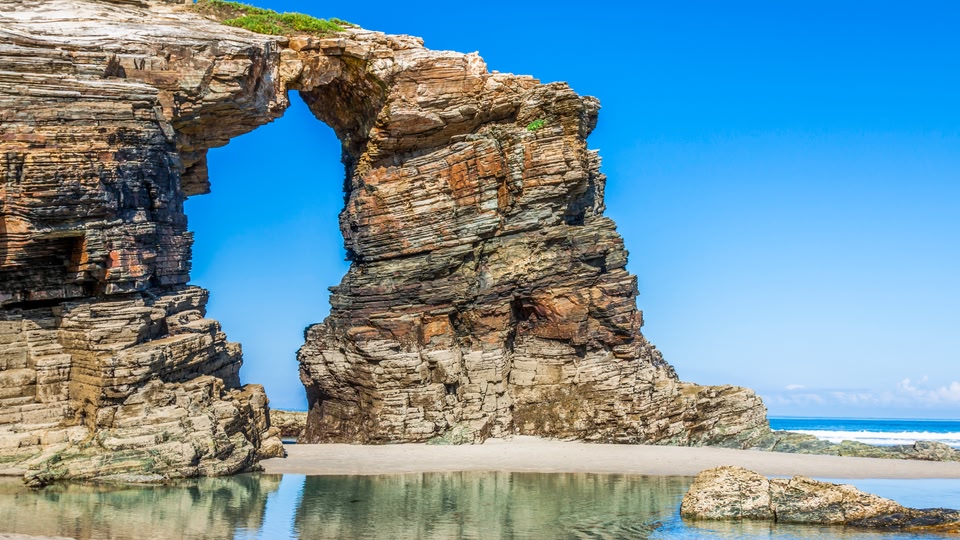
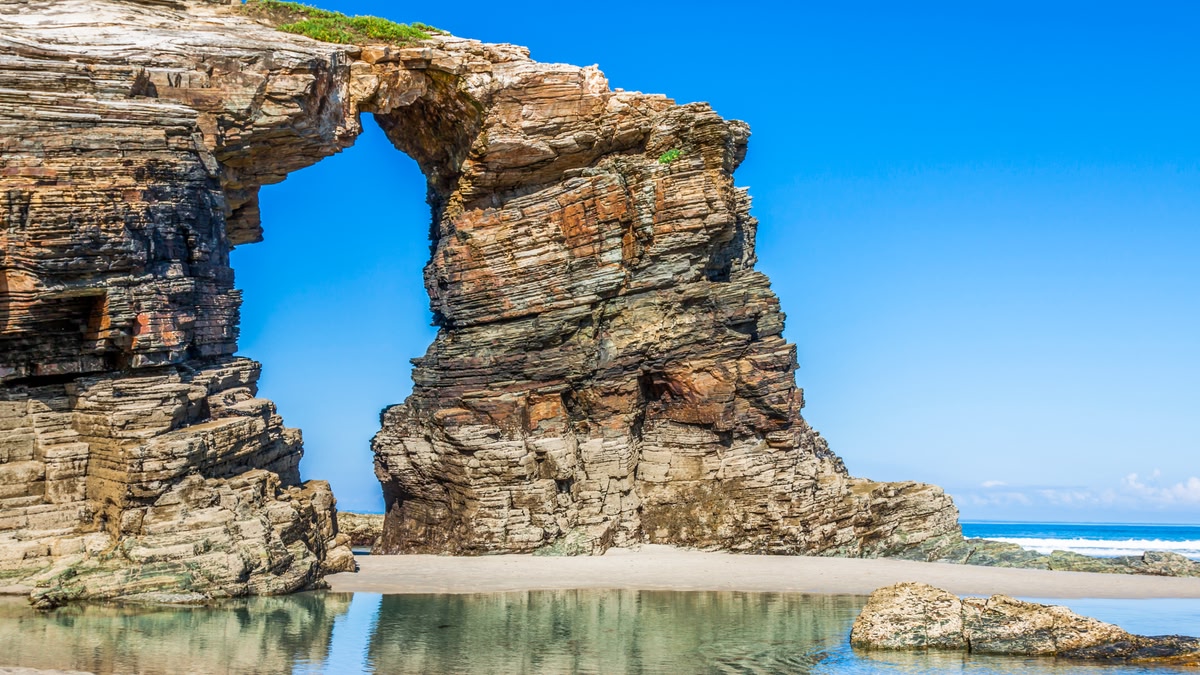
Hundreds of thousands walk the Camino de Santiago annually, with highlights like the sweeping hilltop view from Monte do Gozo before reaching Santiago de Compostela’s cathedral. In Ribeira Sacra, boat trips along the Sil River reveal terraced vineyards producing some of Galicia’s best wines. Heading to the coast? Don’t miss Praia das Catedrais’ vast sea-carved arches at low tide.
Beaches
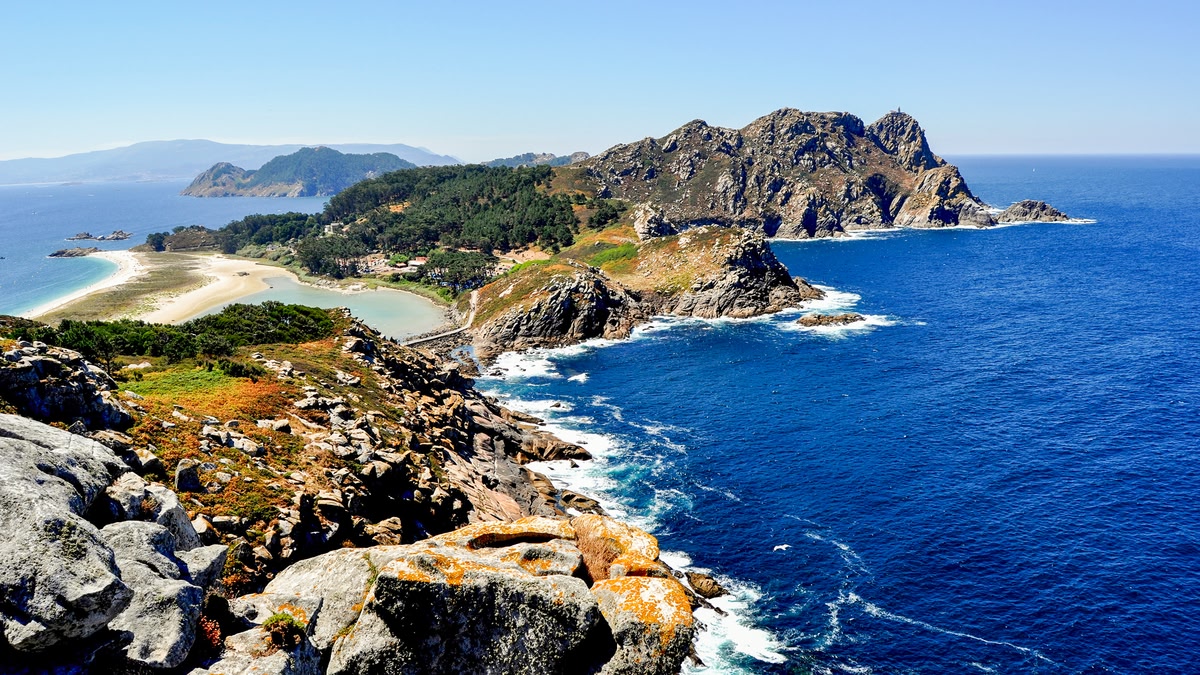
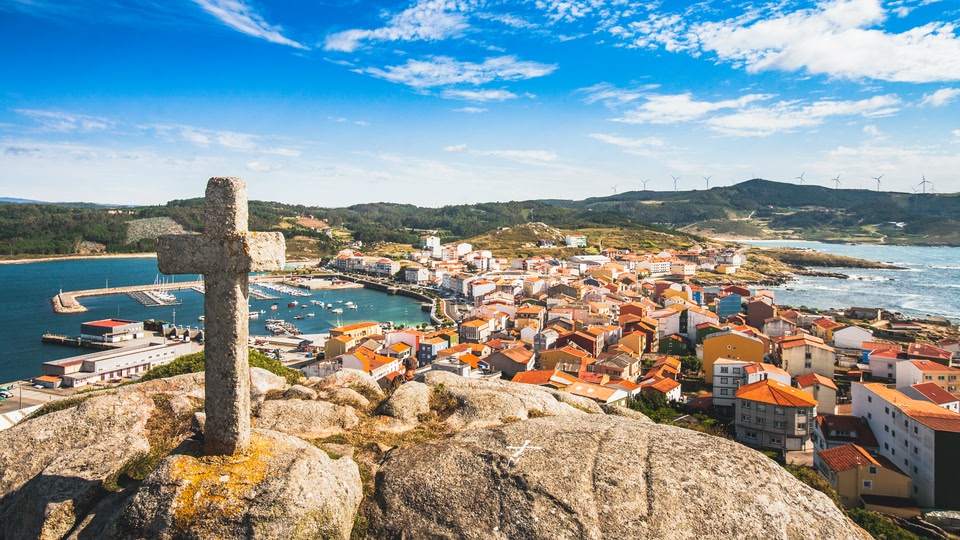
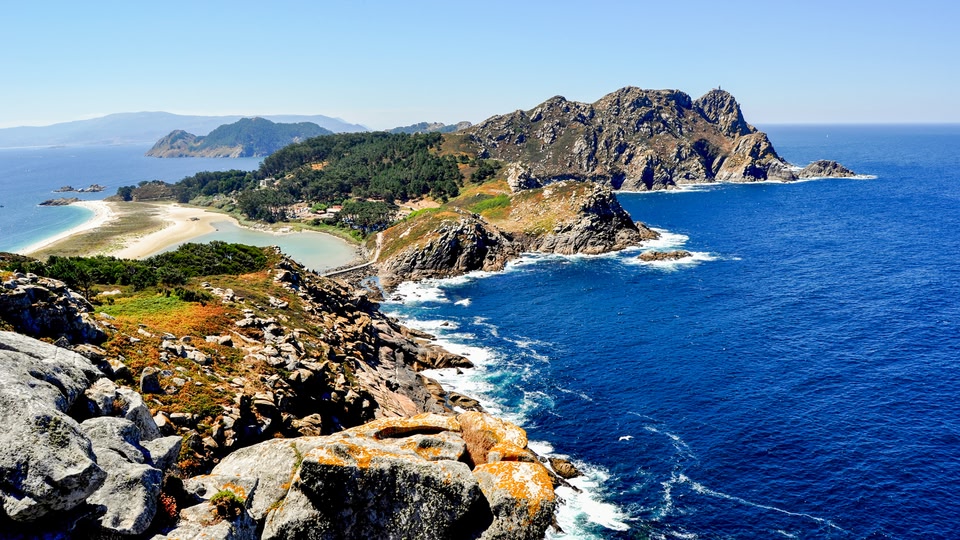
The beaches in Galicia are widely hailed as being among the best in Spain. Rugged and windswept, many feature iconic lighthouses, including the Tower of Hercules, built by the Romans in the 1st century. Don’t miss a visit to the pristine Cíes Islands, sheltered within Atlantic Islands National Park, where no cars are allowed.
Nature
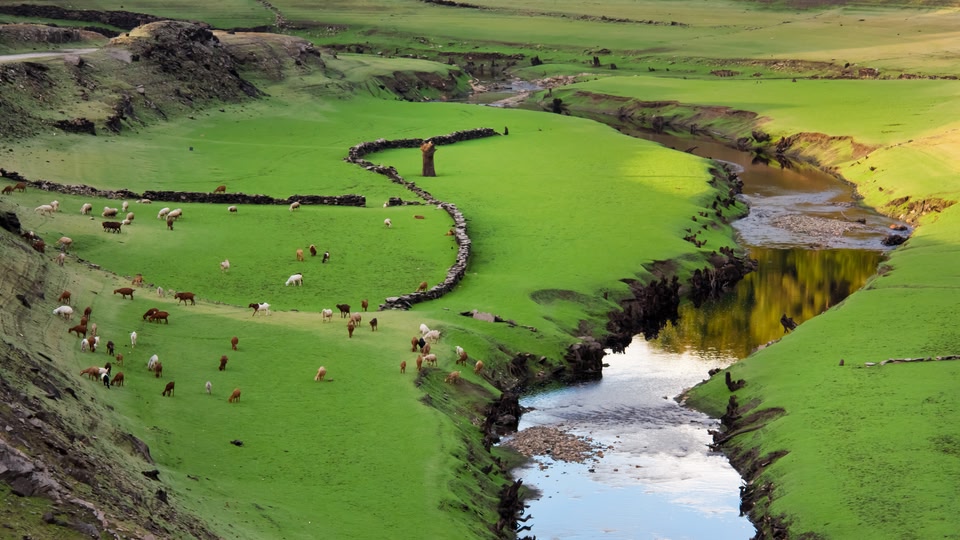
The hundreds of natural hot springs throughout the region have been soothing weary bodies since at least Roman times, especially in the area around Ourense. Trekkers can enjoy uncrowded hiking trails through ancient chestnut groves, some up to 1,000 years old. At the A Terra Chá wetlands, spot grey herons, golden plovers, peregrine falcons and other birds.
Cuisine
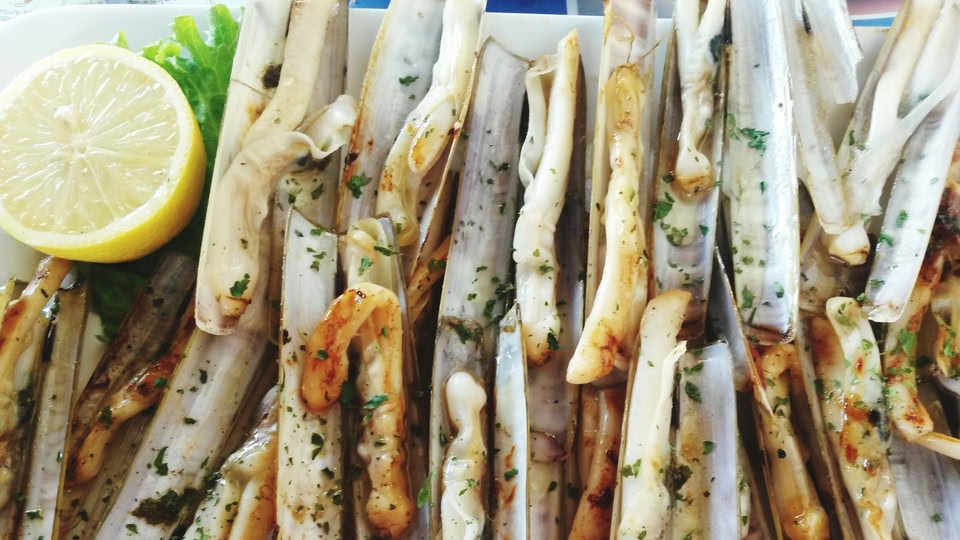
Galician cuisine is all about fresh seafood. Restaurants in Galicia commonly serve dishes like ‘pulpo á feira’, which is made from tender octopus sprinkled with paprika. Dessert can include a ‘tarta de Santiago’, an almond cake stencilled with the cross of Saint James in powdered sugar. The traditional alcoholic punch, ‘queimada’, is said to ward off evil spirits when set aflame.
Culture and museums
Santiago de Compostela has a cluster of some of the best museums in Galicia, including the Museum of the Galician People. Housed in a historic 18th-century convent, the museum is packed with exhibitions on traditional Galician crafts, architecture and music. Nearby, the striking Galician Centre for Contemporary Art celebrates cutting-edge and conceptual art in various media.
Nightlife
In Santiago de Compostela, live music spills from tucked-away bars packed with students and locals. Over in Vigo, dockside clubs and artsy cocktail lounges keep things lively well after dark. For a more low-key way to experience nightlife in Galicia, head to A Coruña’s Old Town for a glass of albariño in a cosy wine bar.
Find the best time to visit Galicia
Weather in Galicia through the year
March – May: Spring brings a mix of rain and sunshine, with plenty of wildflowers in bloom. It’s a great time to walk the Camino, though you’ll want to bring a light rain jacket.
June – August: Summers are dry and sunny, perfect for beach days and boat trips to the Cíes Islands. Mountain areas stay cooler and quieter, ideal for hiking.
September – November: Autumn is mild, with colourful vineyards turning shades of gold and russet. Despite occasional downpours, it’s a good time to explore Galicia’s cities and wine regions without the summer crowds.
December – February: Winters tend to be wet and overcast, especially along the coast. Escape the chill at Ourense’s hot springs and enjoy quiet walks along Galicia’s misty Atlantic shoreline.
Events in Galicia
Entroido (February): Galicia’s take on Carnival erupts across the region, with each town putting its own spin on centuries-old traditions. In Verín and Laza, masked ‘cigarrón’ characters and flour fights take centre stage.
O Son do Camiño (June): Held just outside Santiago de Compostela, this music festival draws major international headliners alongside rising Spanish acts, all set against a backdrop of cathedral spires and rolling hills.
Romería Vikinga (August): Part re-enactment, part beach party, this Viking-themed festival in Catoira sees locals storm ashore in replica longships. Expect costumes, music and flowing horns of mead.
Festa do Pulpo (August): Join the crowds in O Carballiño to celebrate ‘pulpo á feira’ — a traditional Galician octopus dish cooked in giant copper pots.
Know before you go
Getting around Galicia
Public transport
Buses: Regional companies like Monbus and Arriva offer frequent services between Galicia’s cities like Santiago de Compostela, Vigo and A Coruña. Long-distance coaches are also available for easy travel to major cities like Madrid and Porto.
Trains: Renfe’s regional and high-speed trains serve major cities like Santiago, Ourense and A Coruña. One of Galicia’s most scenic inland stretches is between Ourense and Monforte de Lemos, with views of river valleys and terraced vineyards.
Boats: In summer, passenger ferries run from Vigo to the Cíes Islands, while ports like A Pobra do Caramiñal and O Grove offer seasonal sailings around the Rías Baixas. Schedules vary, so it’s wise to check timetables before travelling.
Domestic flights
Airports in Santiago de Compostela, A Coruña and Vigo offer frequent flights to Madrid, Barcelona and Bilbao, making domestic flights a quick and efficient way to cross the region.
Driving and car hire
Driving in Galicia is a great way to explore the region. Roads are generally well maintained, though expect narrow lanes and hairpin bends in rural areas. The AP-9 toll highway connects major cities like Vigo, Santiago and A Coruña. For a more scenic route, follow the AC-552 along the Costa da Morte past ocean cliffs, fishing villages and beaches.


