Crete holidays
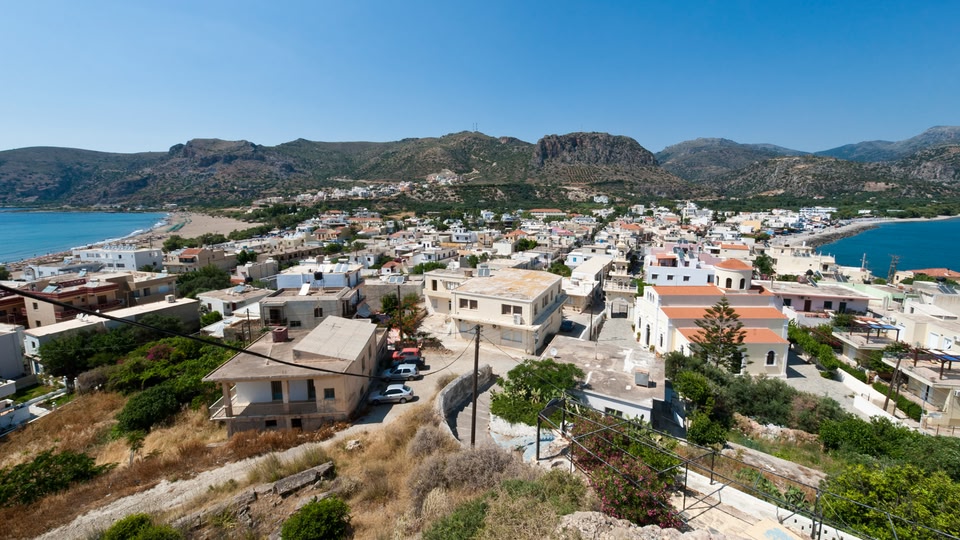
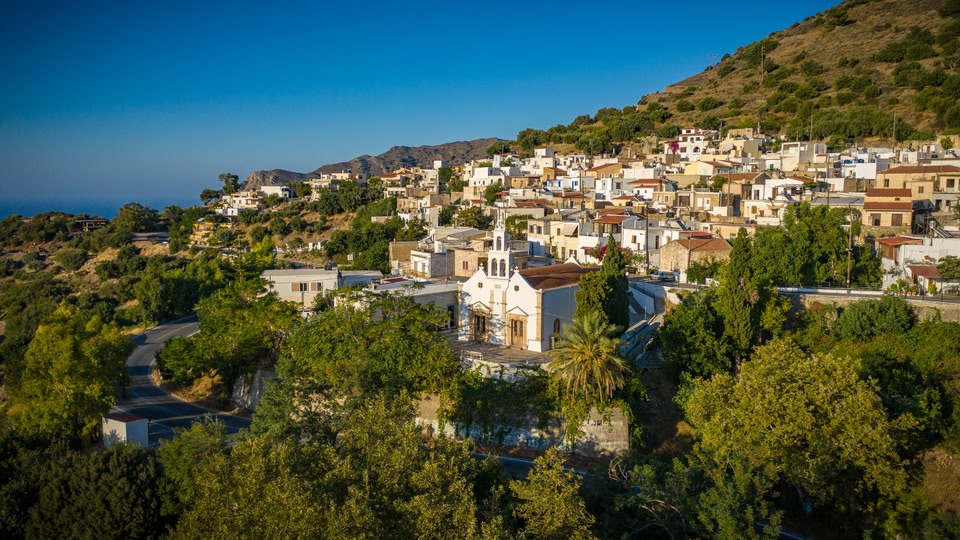
If you can tear yourself from Crete’s pristine beaches, Greece’s largest island over-delivers with ancient ruins, mountain hikes, revived wineries and parched cliffs perfect for taking in panoramic views of the bright blue Aegean Sea. Holidays to Crete would not be complete without a taste of its nightlife, which never seems to stop.
Top destinations in Crete

Heraklion
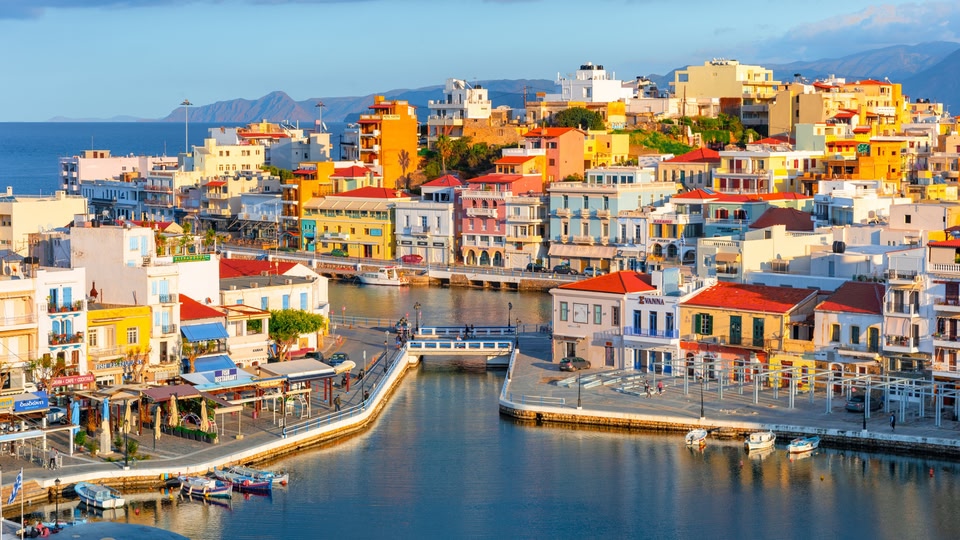
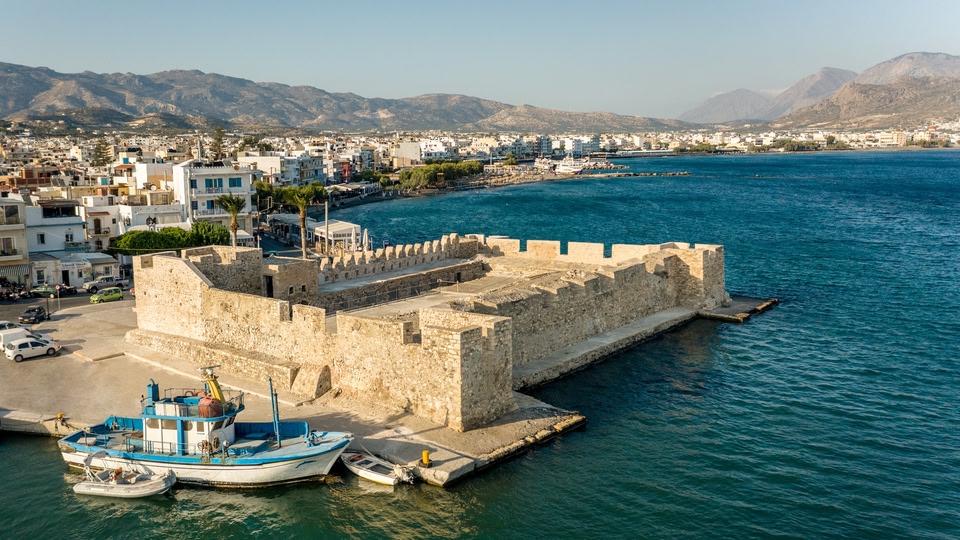
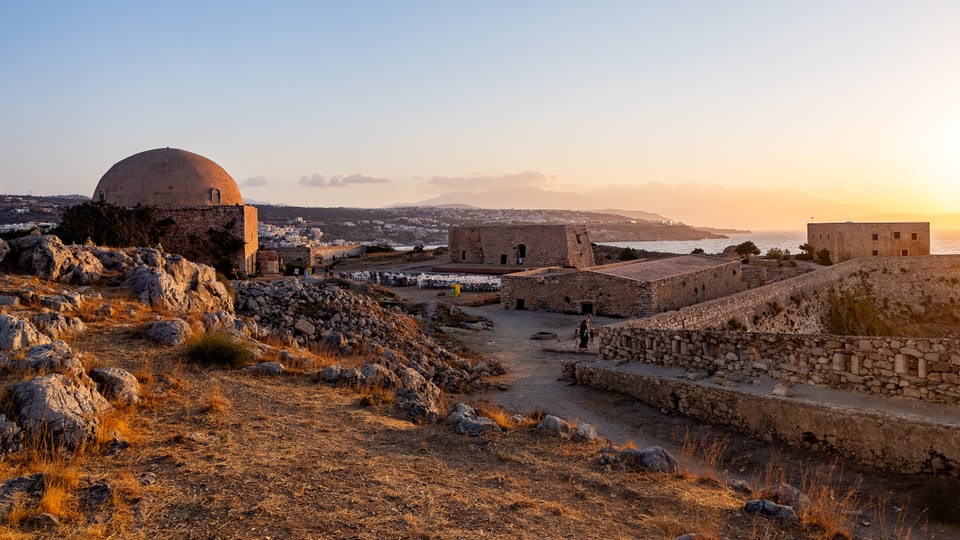
Crete’s capital has a history stretching back 5,000 years. Explore its old city walls and medieval fortress, then enjoy traditional fare in lively tavernas.
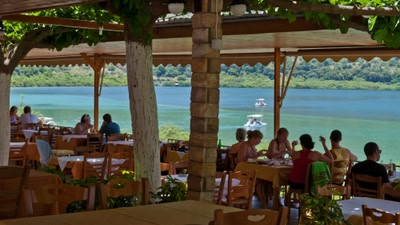
Chania
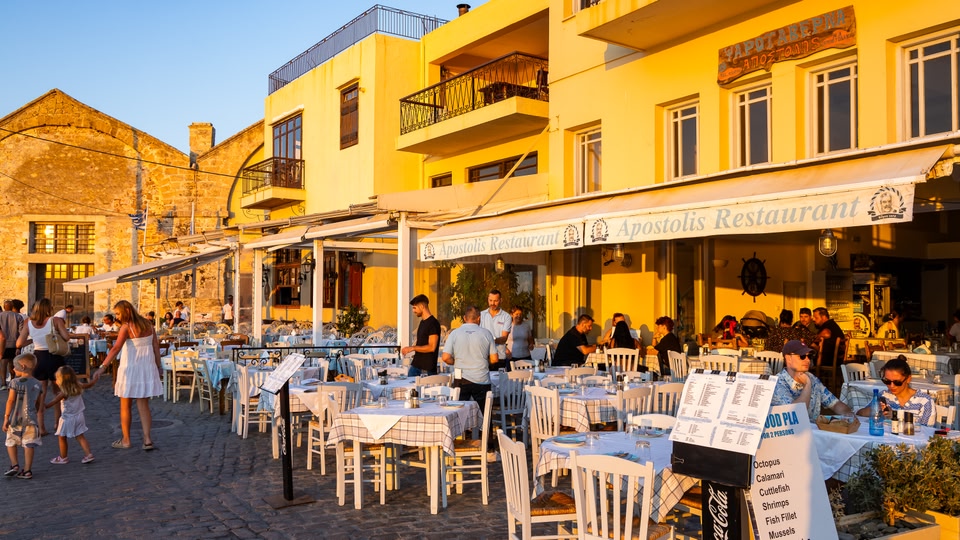
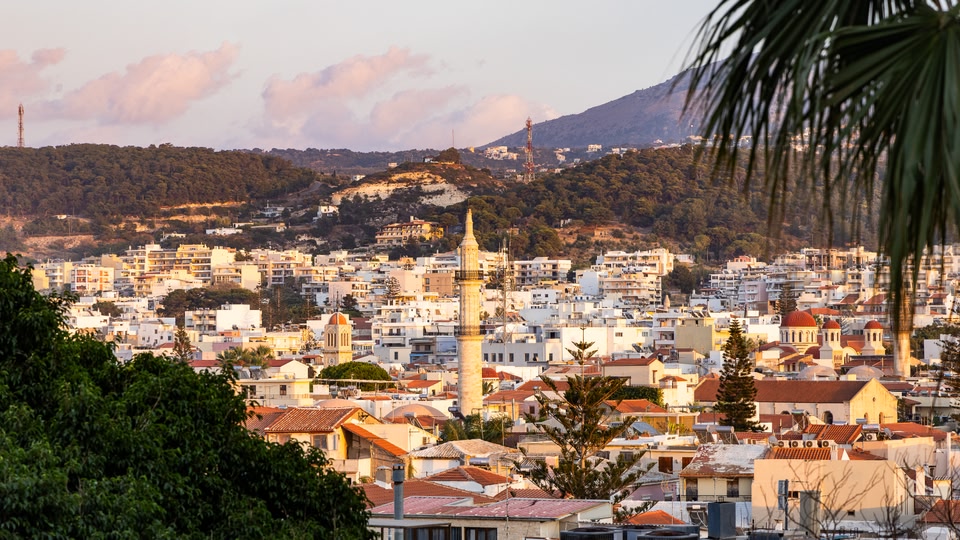
Cobbled alleys, Turkish architecture and sandy beaches where you can lose a day staring out at the calm, blue sea — is there a better city in the Greek Islands?
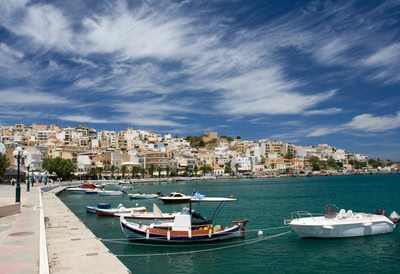
Sitia
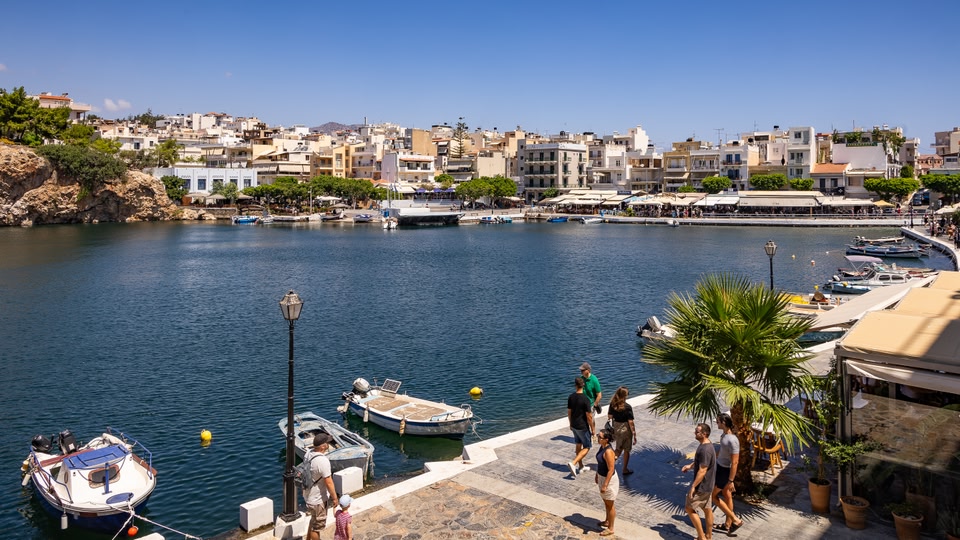
Basking under the Cretan sun, this holiday paradise features remote beaches surrounded by sprawling palm forests and mezze-style feasts showcasing island produce.
Crete: fast facts
Language
Greek
Currency
Euro (€)
Time zone
Heraklion - UTC+2 (EET) and UTC+3 (EEST)
High season
June – September
Low season
November – March
Crete holiday highlights
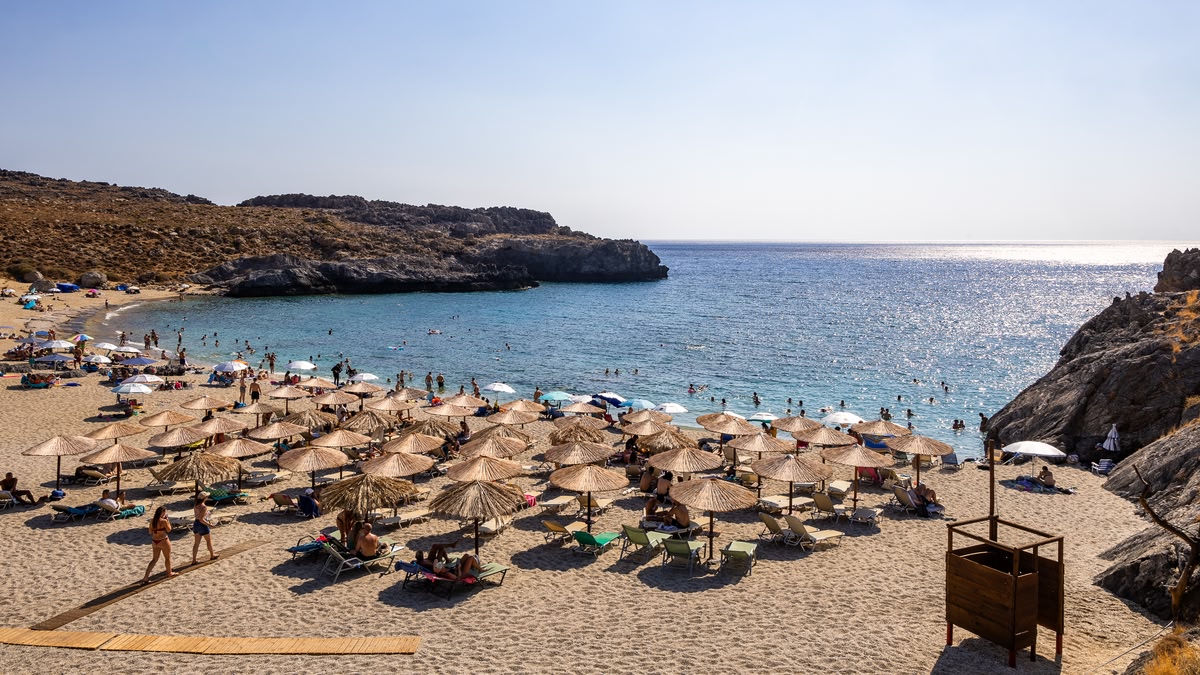
Pick a beach
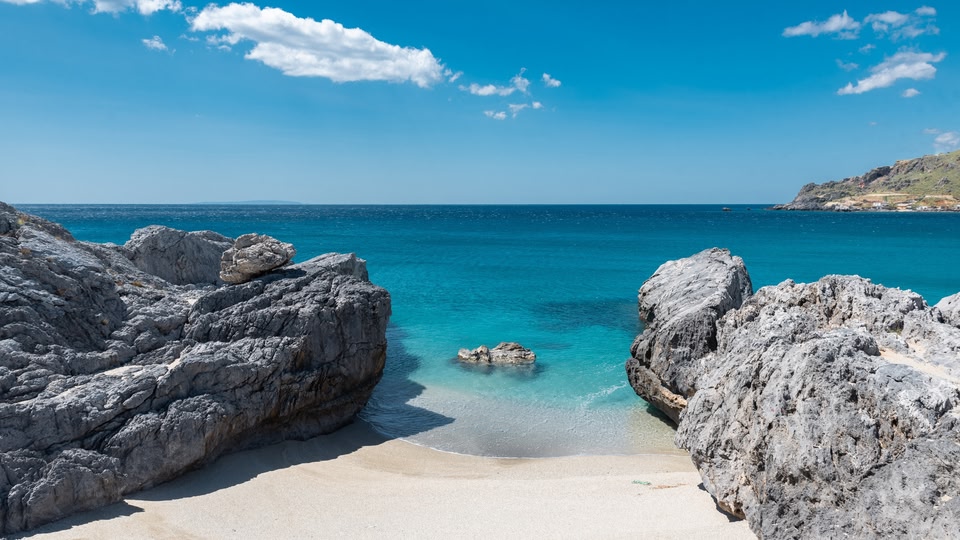
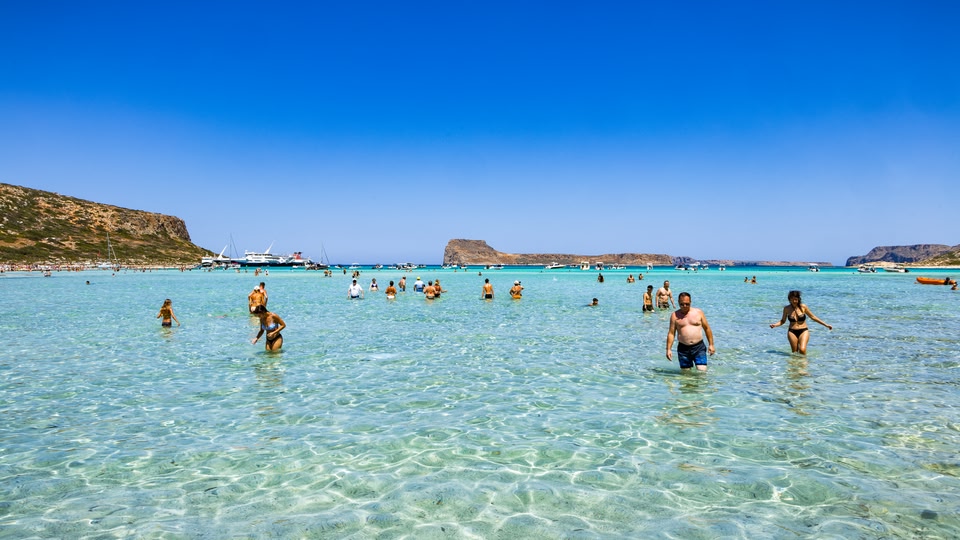
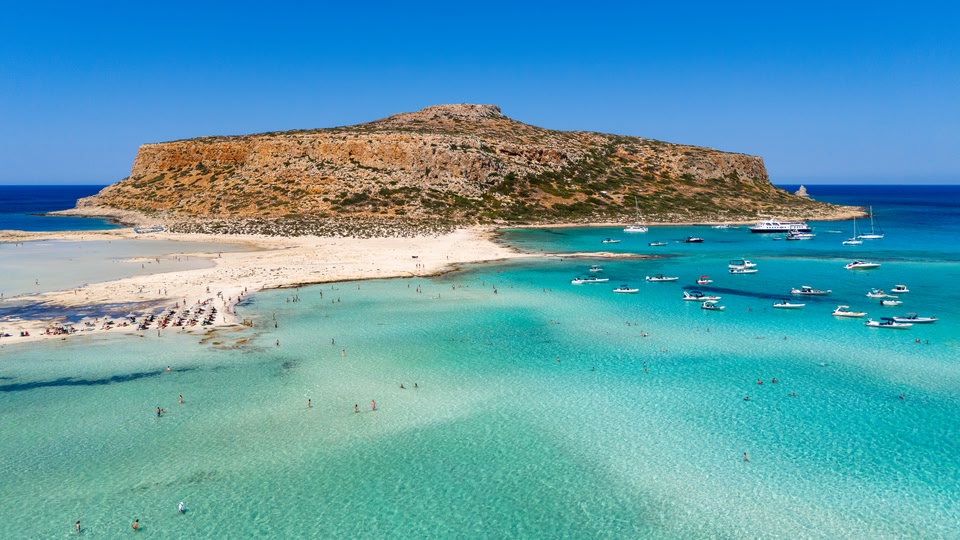
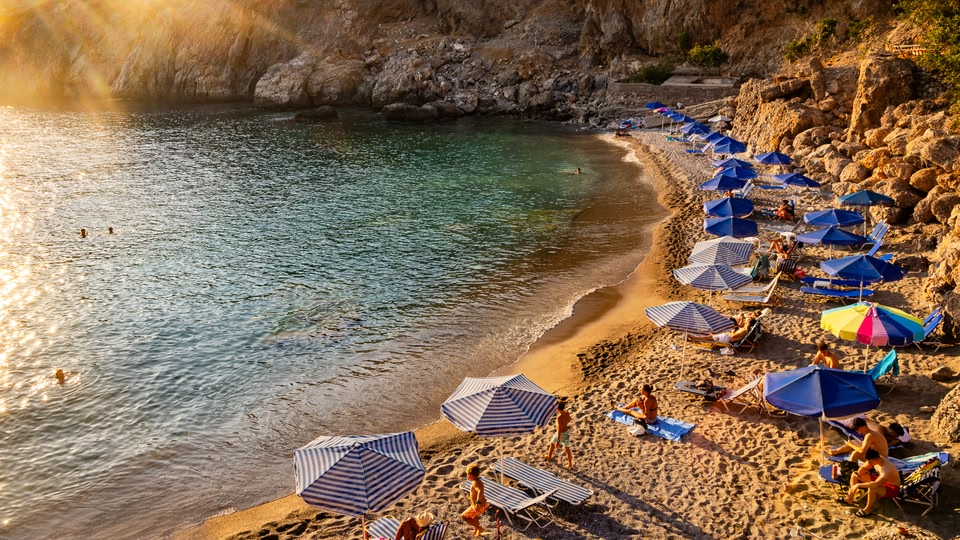
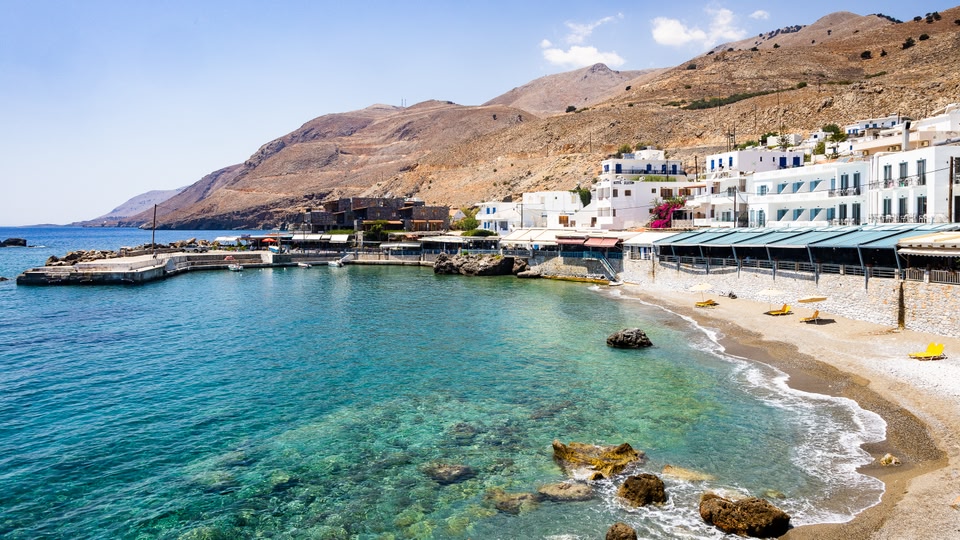
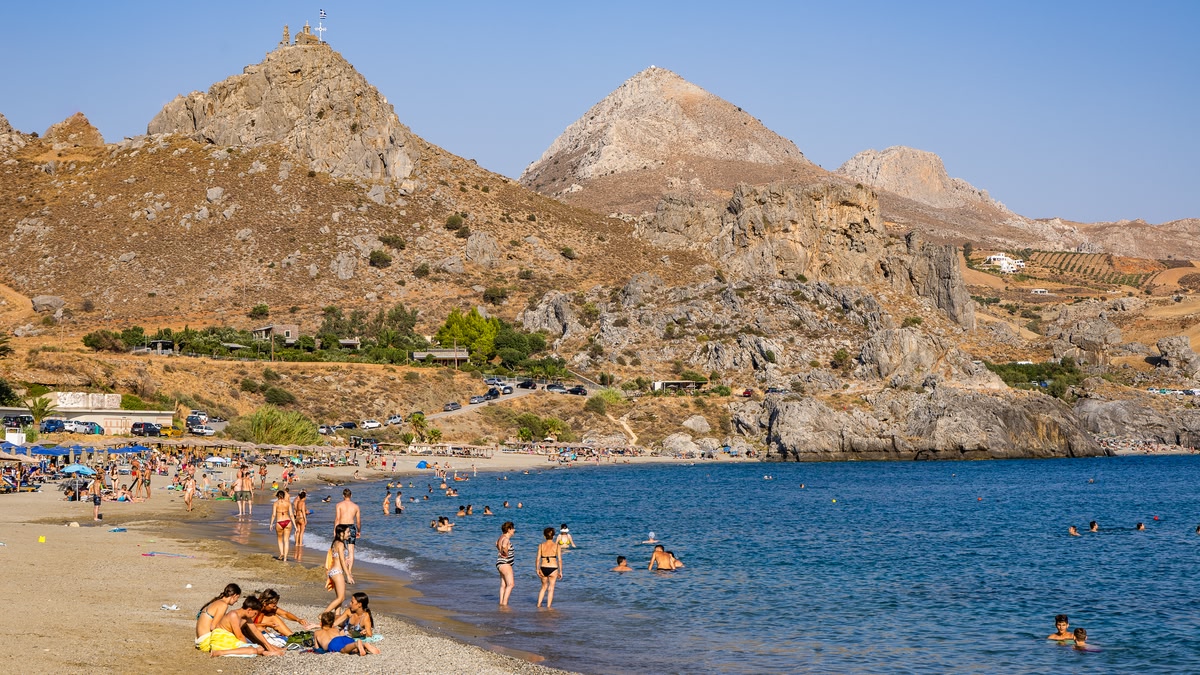
Hanging out on the beach is one of the most popular things to do in Crete. There are dozens to choose from, and each has its own personality. Some are backed by villages, others by fortresses, cliffs and palm forests. The more popular beaches close to resorts and towns feature amenities and lifeguards. Others are off the beaten track but reward the effort with seclusion.
Learn about Greek mythology
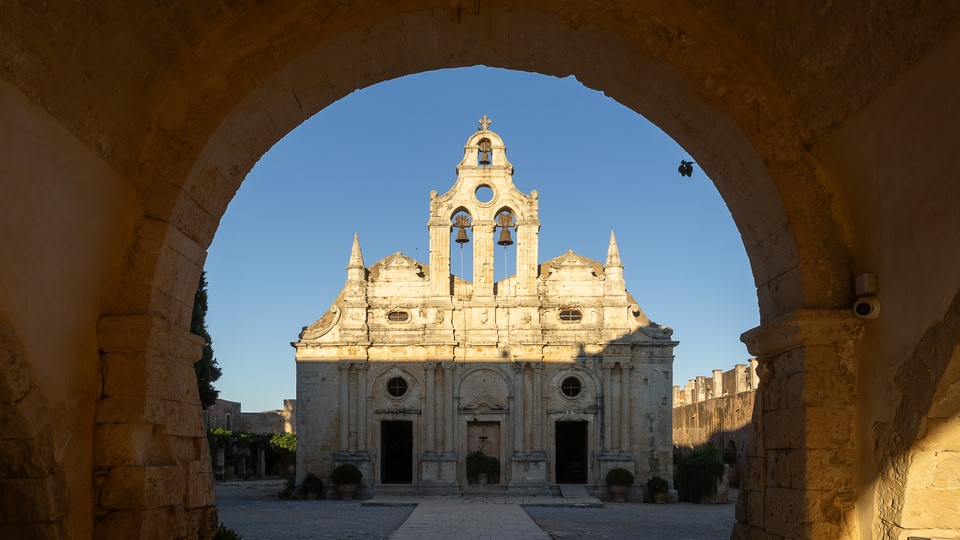
Crete was the stomping ground for some of Greek mythology’s greatest heroes and villains. This magical island was the birthplace of Zeus, the lair of the fearsome Minotaur and the launching pad for Icarus’ fateful flight. Sites like the Palace of Knossos, Mount Ida and the otherworldly Dikteon Cave are so intertwined with mythology that they blur fact from fiction.
Go wine tasting
Crete is Greece’s oldest and second-largest wine-producing region, with over 60 sun-drenched wineries to choose from. Follow popular wine routes or take an organised tour to uncork the magic of local varietals like Plyto, Liatiko and the recently rediscovered Melissaki. While many wineries uphold age-old methods, producers like Lyrarakis and Fragospito have embraced newer organic and vegan winemaking trends.
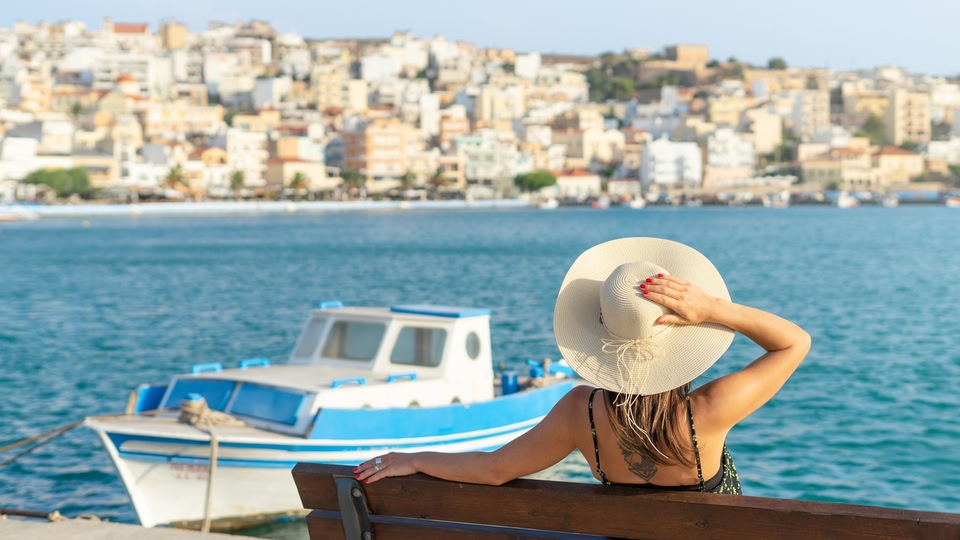

Things to do in Crete
Top attractions
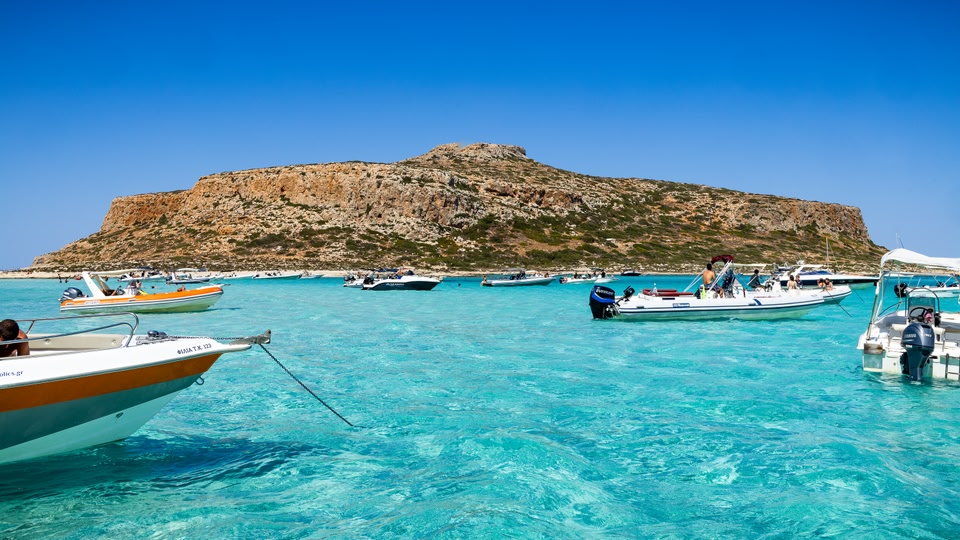
Visit the Palace of Knossos early to see the Throne Room and frescoes before the afternoon crowds. After hiking the Samaria Gorge, cool off in the Libyan Sea at Agia Roumeli’s black-sand beach. At Elafonisi Beach, low tide reveals a sandbar to Elafonisi island, where shallow lagoons and protected habitats shelter coastal plants and wildlife like loggerhead sea turtles.
Beaches
Travellers flock to Elafonisi, and for good reason. If the Greek gods had a swimming spot, this coastal lagoon of turquoise shallows and spectacular pink-white sands would be it. Vai, Matala and Plakias are family-friendly and easy to get to. Beaches like Agiofarago and Glyka Nera require some hiking to access, but the payoff is pure bliss. Chasing sunsets? Falassarna is for you.
Nature
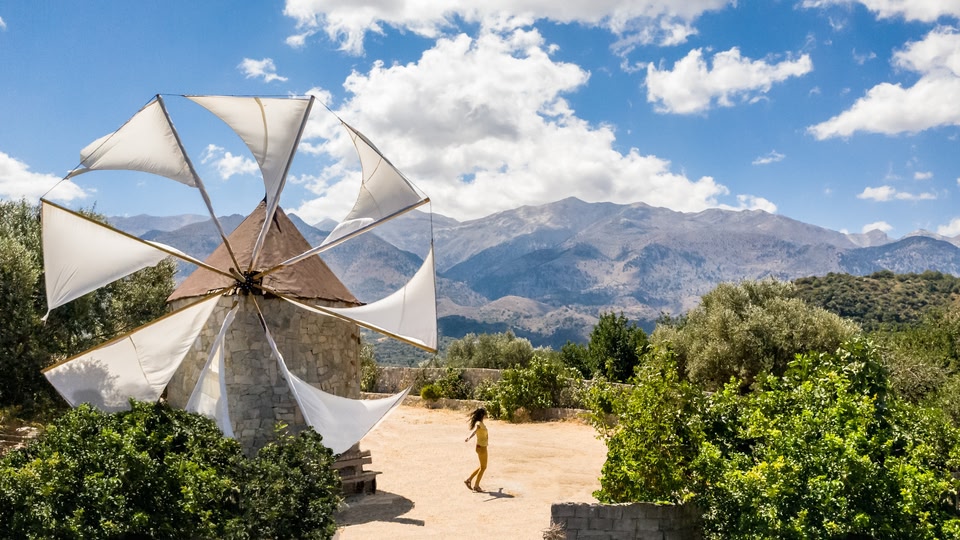
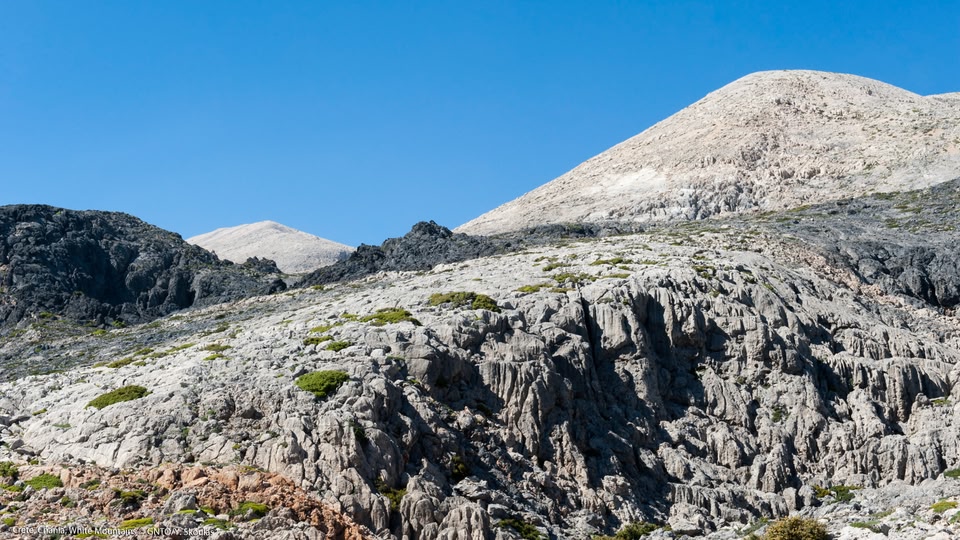
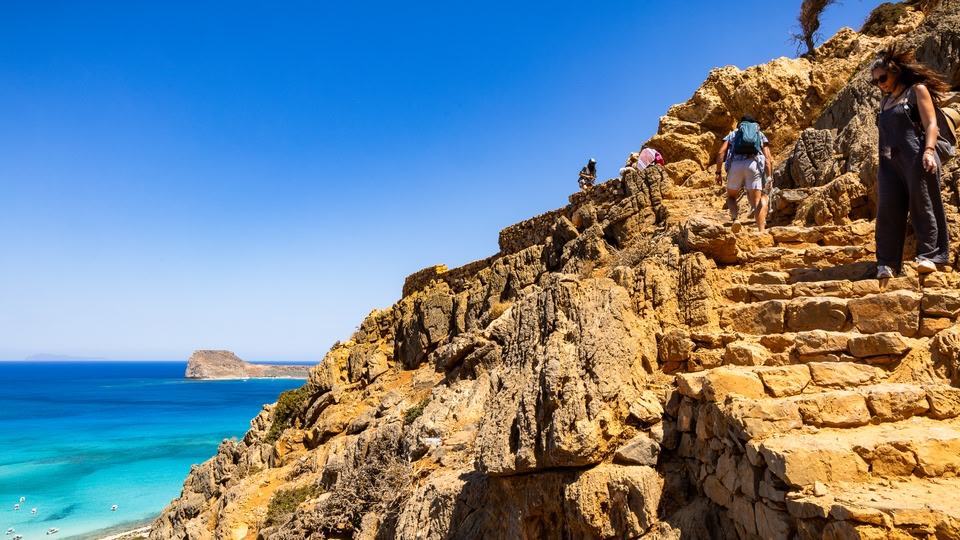
Crete’s natural wonders range from snow-capped mountains to valleys filled with wild goats, olive groves and vineyards. Take the nearly 16-kilometre-long trek through the breathtaking Samaria Gorge, venture into some of the island’s 3,000 caves and enjoy the views from Mount Ida, Crete’s highest peak. And don’t miss the ancient Olive Tree of Vouves, still bearing fruit after 2,000 years.
Cuisine
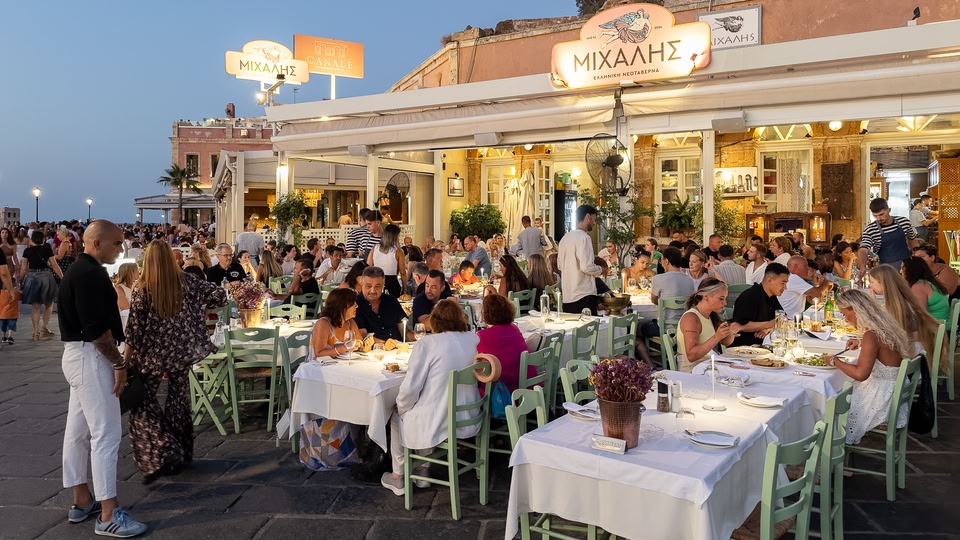
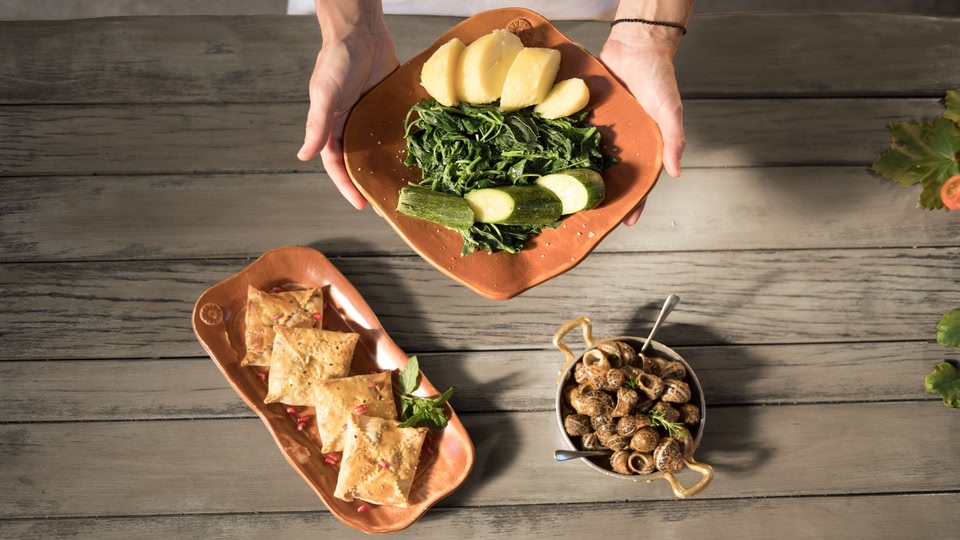
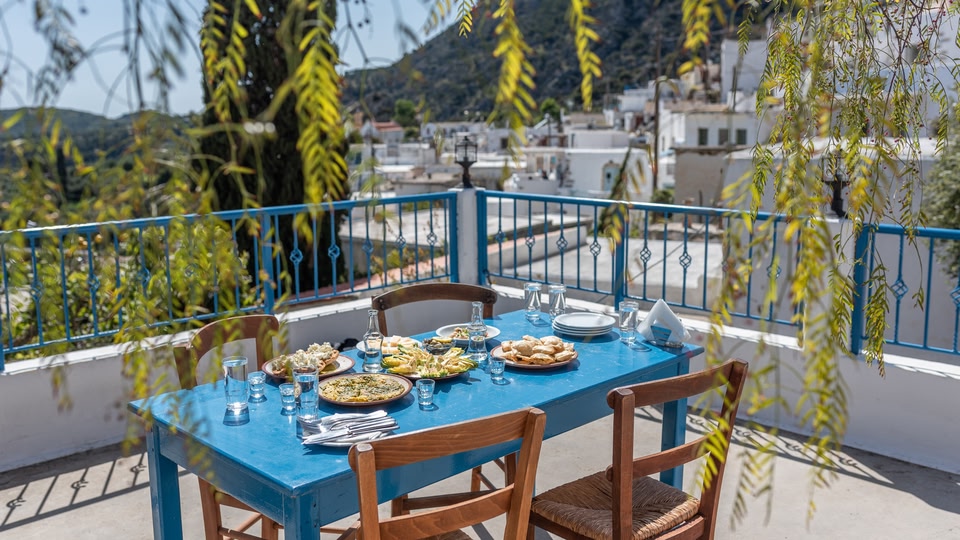
Must-try dishes include lamb with ‘stamnagathi’ (wild greens), ‘dakos’ (barley rusks, tomatoes and feta salad) and Crete’s famous cheeses. Pair with local wines or ‘raki’, the island’s signature spirit. Restaurants in Crete get busy in summer, and courses can take a while to get to your table, so do as Cretans do and treat mealtime as a leisurely event.
Culture and museums
The museums in Crete preserve thousands of years of history, from Stone Age islanders to the Minoans, Greeks, Romans, Venetians and Turks who followed. The Heraklion Archaeological Museum is a trove of Minoan treasures, like the renowned Knossos Frescoes. And the Askifou War Museum and War Tunnels of Platanias honour the heroic stories of the Battle of Crete in WWII.
Nightlife
Some of the best nightlife in Crete is in Heraklion, especially on Korai or Milatou streets, home to lively pubs and wine bars. In Chania, the Venetian harbour and Splantzia districts are go-to spots for cocktail lounges and clubs where DJs spin. If you’re visiting Rethymno, join locals in the Old Town’s open-air tavernas for a night of live folk music and raki.
Find the best time to visit Crete
Weather in Crete through the year
March – May: Spring welcomes comfortable, mostly dry weather, ideal for hiking and exploring before the summer crowds arrive. Mornings and evenings can be cool, with occasional light showers. Pack layers and a waterproof jacket.
June – August: Summers are hot and dry, with temperatures reaching 32°C. Coastal breezes offer relief, but expect beaches to be busy during this peak tourist season.
September – November: Early autumn stays warm enough for swimming, though evenings tend to cool down. Rain becomes more frequent after October, so keep an umbrella handy.
December – February: Winters are mild, with occasional heavy rainstorms. Take advantage of fewer crowds and off-season prices and experience the island like a local.
Events in Crete
Matala Beach Festival (June or July): Once a hippie hideout, Matala now hosts one of Europe’s largest free music festivals. Enjoy beach parties with live bands, art installations and dancing, all set against cliffs still painted with colourful murals from the 1960s.
Chania Rock Festival (July): Expect big riffs, coastal scenery and a crowd that knows how to party during this rock festival held in an open-air theatre overlooking Chania’s Venetian harbour.
Rethymno Renaissance Festival (August to September): This cultural showcase transforms Rethymno’s Old Town into a stage for theatre, classical concerts and historical re-enactments.
Chestnut Festival (October): The mountain village of Elos celebrates the chestnut harvest with roasted delicacies, live music and traditional folk dancing.
Know before you go
Getting around Crete
Public transport
Buses: Crete’s reliable KTEL buses connect key towns like Heraklion, Chania and Rethymno, plus popular beaches and mountain villages. Buses run regularly but can fill up during peak season, so it’s a good idea to book tickets in advance. During the summer, private coaches also operate direct routes to popular tourist destinations such as Elafonisi Beach and Balos Lagoon.
Boats: Ferry ports in Heraklion and Sitia offer frequent connections to mainland Greece and neighbouring islands like Santorini and Rhodes. There’s also a ferry from Chania to Rhodes.
Domestic flights
Heraklion and Chania are Crete’s two main airports, offering frequent domestic flights to Greek cities like Athens, Thessaloniki and Rhodes. These quick flights offer a convenient way to skip lengthy ferry trips when hopping between islands or catching international connections.
Driving and car hire
Driving in Crete lets you explore beyond the bus routes, from hidden coves to tiny mountain hamlets. Greek National Road 90 (part of E75) is the main northern coast highway, connecting Heraklion, Chania and Rethymno. Roads are generally in good condition, though rural routes can be narrow and full of hairpin bends. Take your time and keep an eye out for goats or sheep wandering onto the road.


