Your guide to Rome

Rome highlights
Ancient treasures
A trip to Rome is all about uncovering ancient wonders. Explore the Colosseum, which was built between AD 72 and 80 and is the largest amphitheatre on Earth. Marvel at the world’s largest unsupported dome at the Pantheon. And wander around Roman palatial ruins at the Palatino, which is considered the city’s birthplace. Book tickets early to beat the lines.
Traditional Roman fare
This city of flavours prizes traditional Roman fare over Michelin stars, but rest assured, your taste buds will be dazzled. Unwind with a pre-dinner negroni cocktail during ‘aperitivo’ hour, an almost sacred part of the Roman day. Then eat at a family-run trattoria. We love saltimbocca, which means ‘jumps in your mouth’ (one bite of this veal dish and you'll understand).
La dolce vita
‘The sweet life’ is a mixture of many things: enjoying fun company, savouring scrumptious food and surrounding yourself with beauty. Whether you’re flying solo or travelling with friends, there’s no better place to experience life's sweetness than on a city break in Rome.
Rome: Know before you go
| Language | Italian |
|---|---|
| Currency | Euro (€) |
| Time zone | UTC+1 (CET) and UTC+2 (CEST) |
| High season | July - August |
| Low season | January - February |
Find the best time to go to Rome
Weather in Rome
March – May: Spring means mild weather and thinner crowds in the capital. Temperatures hit the low 20s°C in May, and the city buzzes with big events like the Rome Marathon and Natale di Roma.
June – August: Rome gets busy in summer, but you’ll still find quieter streets away from the top attractions. Temperatures peak at 30°C in July and August. Do your sightseeing in the early morning or evening.
September – November: Summer weather lingers into September. But temperatures dip and the rain starts in October. See the autumn leaves in Borghese Park.
December – February: Experience Rome like a local in winter. Temperatures are mild, with occasional cold spells and rain storms. And museums and galleries are at their quietest.
Events in Rome
Natale di Roma (April): Travel back to 753 BC for this legendary festival celebrating the city’s founding with gladiator battles and fireworks displays.
VinòForum (June): Sample some of Italy’s finest wine at this tasting event. Highlights include guided tastings, masterclasses and tasty bites from local restaurants.
Estate Romana (June to October): Make the most of Rome’s al fresco culture at this popular summer festival. Don’t miss pop-up bars, concerts, movie screenings and ballets in some of the city’s grandest outdoor spaces.
Rome Jazz Festival (November): One of Europe’s top jazz festivals, this three-week event features major artists and rising stars. Past performers include Miles Davis and Herbie Hancock.
The best neighbourhoods in Rome
Testaccio
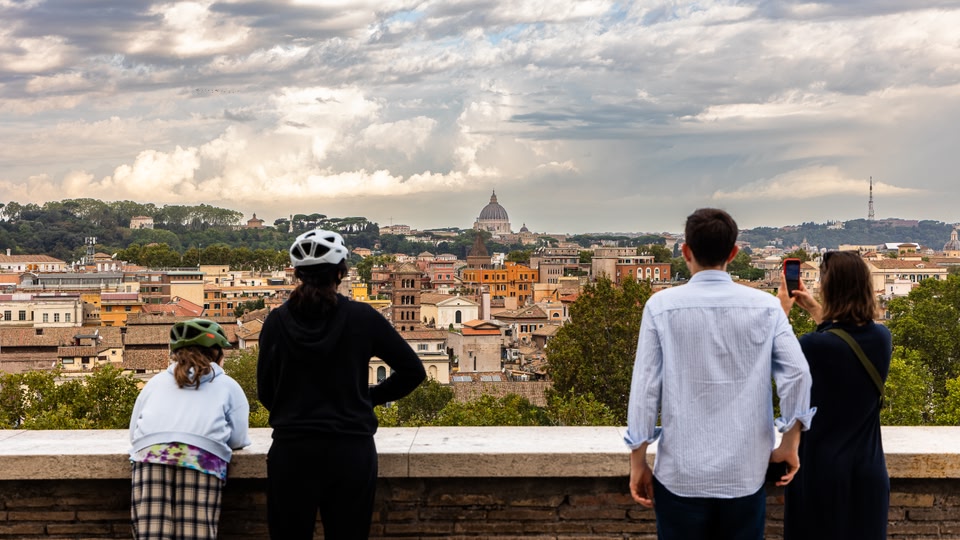
All taste buds lead to Testaccio, Rome’s foodie go-to area. If you want to feast on both traditional fare and modern dishes, and explore authentic food markets, Testaccio is the best neighbourhood to stay in. It also has impressive street art, so be sure to walk around.
Good for: Village vibes, Roman cuisine, markets

Centro Storico
With its winding streets, bustling squares and ancient attractions, the UNESCO-listed Centro Storico is one of the best neighbourhoods to stay in Rome. People come from all over the world to marvel at iconic sights like the 1,900-year-old Pantheon and the Baroque Piazza Navona. And if you’re on the hunt for the city’s finest tiramisu, look no further than Pompi, near the Spanish Steps.
Good for: Ancient architecture, charming squares, tasty desserts
Trastevere
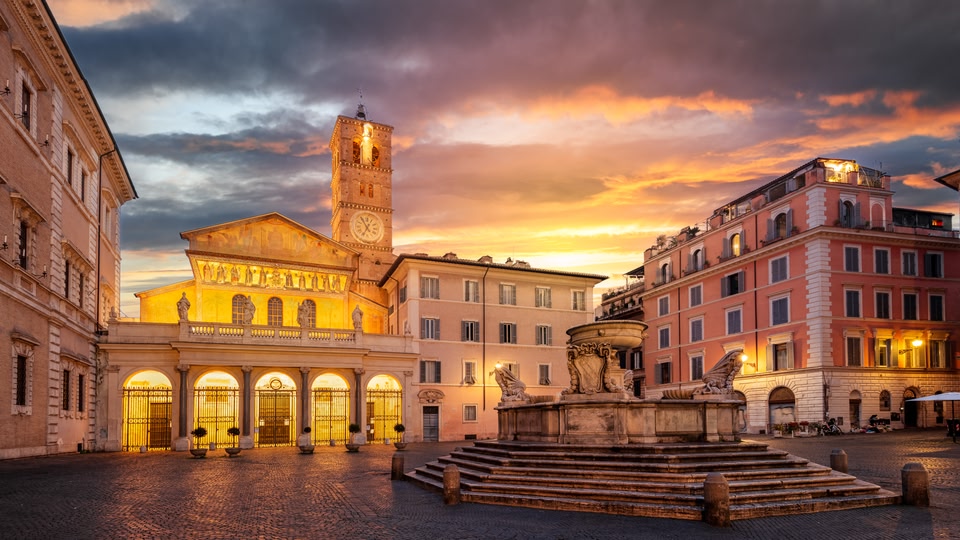
The bohemian enclave of Trastevere is where to stay in Rome when you need a breather from the city’s blockbuster attractions. Its cobblestone streets are filled with cocktail bars, pizzerias and charming squares where you can soak in the rhythms of Roman life. The neighbourhood is also home to some of the capital’s hottest nightclubs. And for killer views of St Peter’s Basilica, make the steep climb to Janiculum Hill.
Good for: Trendy bars, neighbourhood cafes, panoramic views

Things to do in Rome
Family friendly things to do
Looking for things to do with family in Rome? Rent a bike and pedal through the lush gardens at Villa Borghese and toss a coin into the Trevi Fountain. Let the kids explore the statues and fountains of Piazza Navona, then hit the Colosseum where tales of gladiator battles will have them wide-eyed.
Shopping
The shopping in Rome promises the perfect medley of designer elegance, boutique treasures and vintage charm. Start in the cobblestone streets of the Monti district and pick out a stylish new piece from funky independent stores. Looking for big brands like Prada and Fendi? Opt for the area around the Spanish Steps. Or, for a mix of antiques, jewellery and affordable labels, stop by Via del Corso and Via dei Coronari.
Take in the culture
Fill your Rome adventure with cultural gems: gaze at the artistic marvels of the Sistine Chapel, explore the fortress of Castel Sant’Angelo and groove to live tunes at Casa del Jazz. Spice it up with a day trip to Hadrian’s Villa and retrace the footsteps of a mighty Roman emperor. From the best museums in Rome to its galleries and music havens, your itinerary will be a masterpiece.
Nightlife
The nightlife in Rome starts late, but it’s well worth waiting till midnight. Get social in the lively atmosphere of the Trastevere district and bar hop in the Rione Monti neighbourhood. Listen to live music at places like Largo Venue and MONK Roma. If sing-alongs are your thing, check out Jackie O’, a famous piano bar off Via Veneto.
Places to eat
The best cafes and restaurants in Rome serve up a symphony of modern gastronomic delights and cherished traditional dishes. Save your appetite for classics like carciofi alla Romana (Roman-style artichokes) and carbonara pasta. Dine at well-known spots like Trattoria da Teo and Perilli, or get happily lost and stumble into one of the hidden osterias (wine bars that serve up simple yet delicious meals).
Free things to do
If you’re planning a visit to Italy, you may be surprised by the number of free things to do in Rome. See Michelangelo’s ‘Pieta’ in St Peter’s Basilica and sit by the fountains in Piazza Navona. Visit the Sistine Chapel and Vatican Museums for free on the last Sunday of each month.
Get ready for Rome
Budget
Looking for a budget trip to Rome? Visit in the off-season. You’ll find the lowest flights and hotel rates outside of summer, plus you won’t have to battle the crowds. Hunt down cheap eats at markets, or grab an inexpensive restaurant meal for 15 euros (€). Your morning cappuccino will cost less than €2. Pair it with a ‘cornetto’ (Italian croissant) for a classic Roman breakfast.
Day trips from Rome
Schedule a day trip to the fascinating city of Naples. Just an hour away by train, it has some of the most interesting cultural attractions in Italy — not to mention the world’s best pizza. The storied ruins of Pompeii are even further south and well worth the trip. And the hilltop village of Orvieto offers something for everyone, from historic wineries to buzzing trattorias.
Getting around Rome
Navigating the capital is stress-free thanks to an outstanding public transport system. Although Roman streets were built for walking, you can also travel between big attractions with the help of buses and trams. Get unlimited use of public transport with a MetroBus 48- or 72-hour ticket. To avoid the summer heat, opt for an air-conditioned taxi.


